Sky
Why you can see the moon in the daytime sky
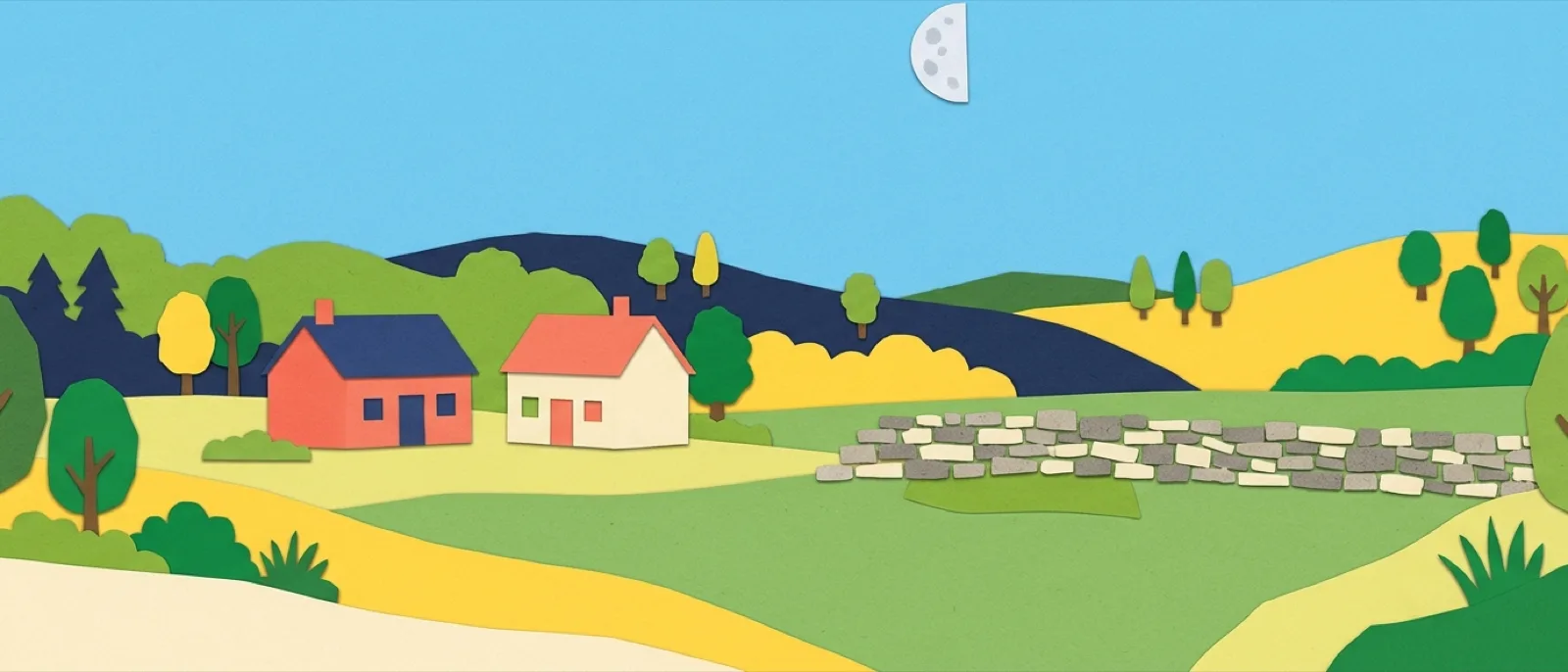
The moon spends almost as much time up in daylight as at night, and on the right days it sits plainly in the blue sky.
Each one says when to look, how to notice it, and where the facts come from.
Sky
The moon spends almost as much time up in daylight as at night, and on the right days it sits plainly in the blue sky.
Sky
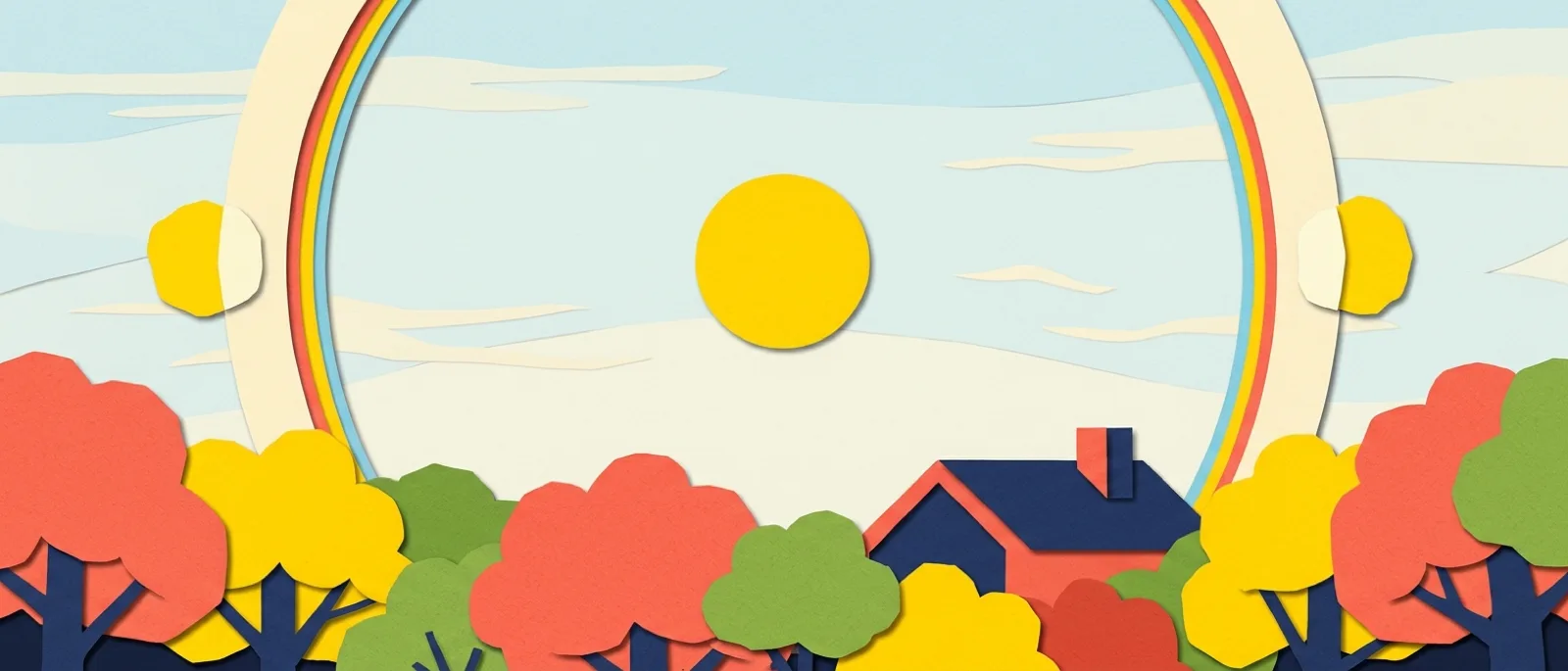
Ice crystals high in the atmosphere can bend sunlight into a pale ring around the sun or bright patches on either side of it.
Sky
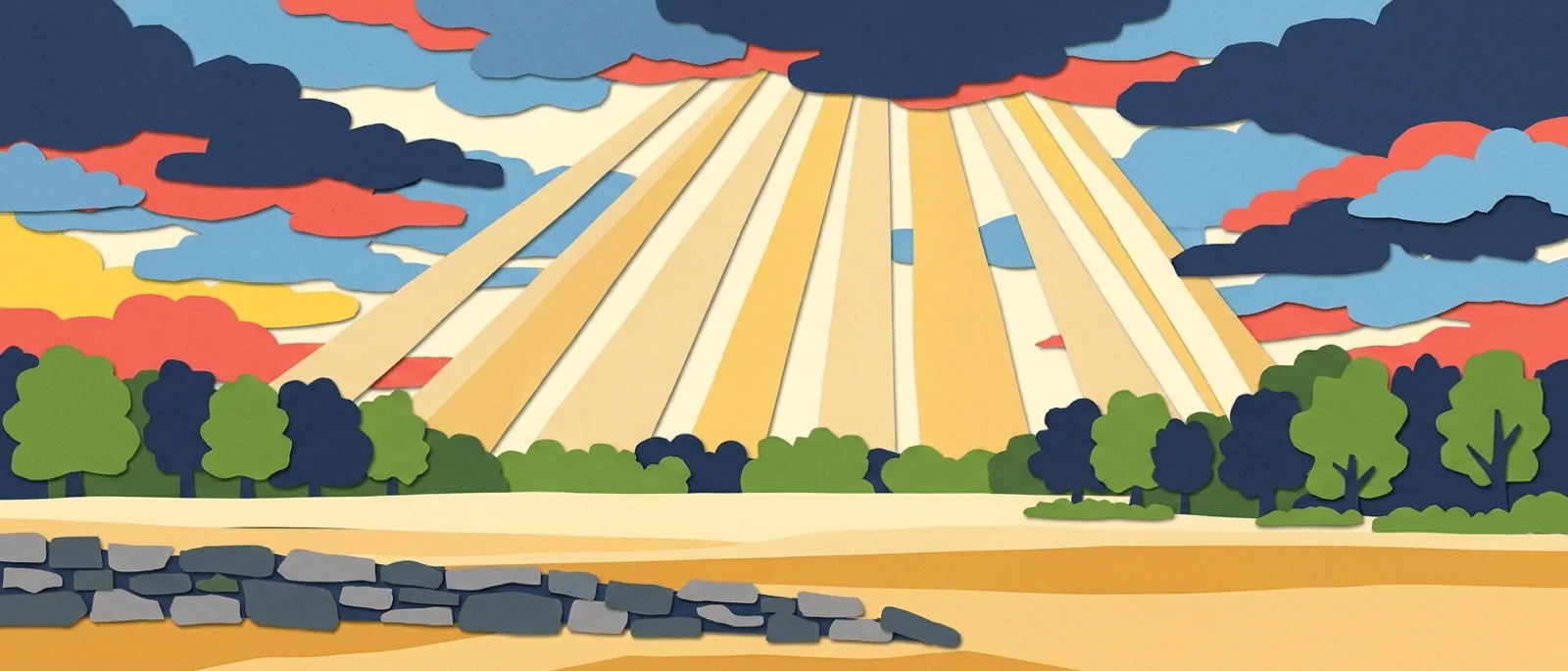
When broken clouds and haze meet a low sun, bright and dark bands can fan across the sky near sunrise or sunset.
Sky
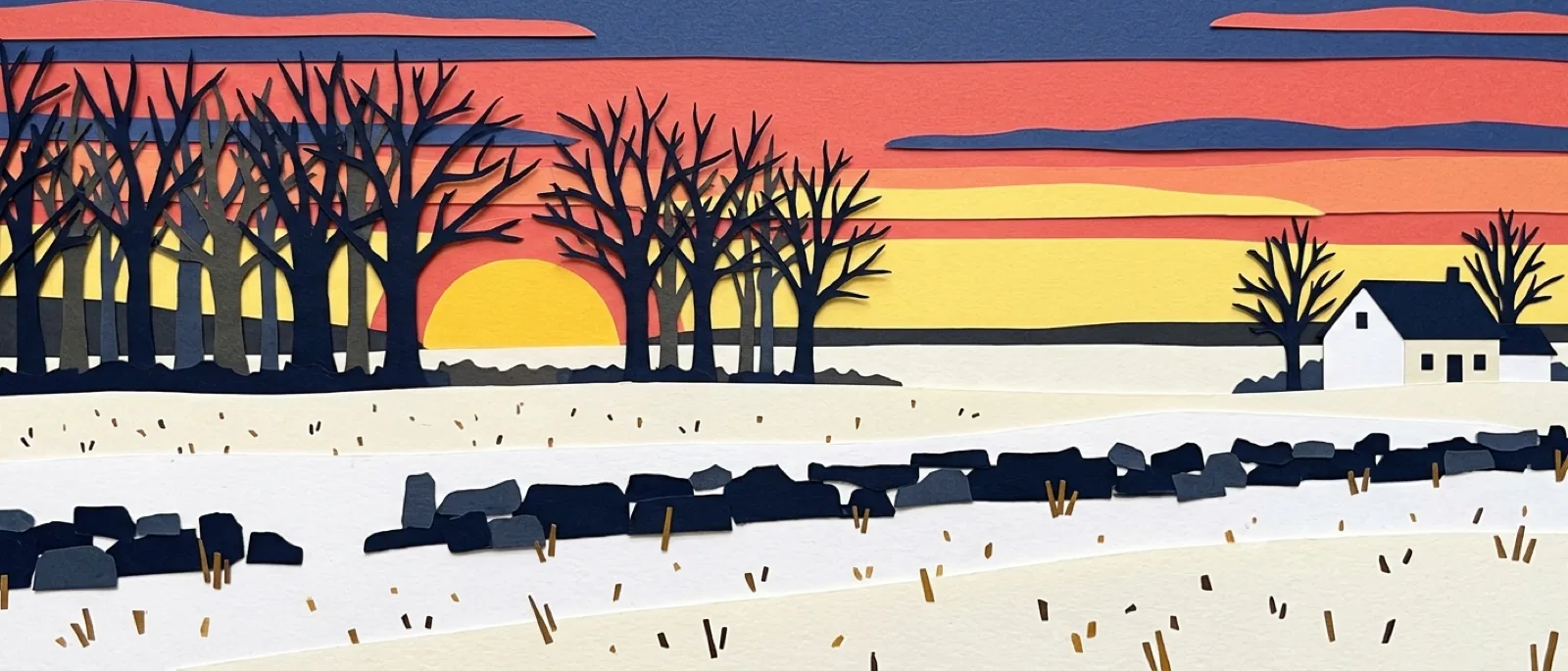
Where the sun sets on your skyline slides north through spring and south through autumn, fastest near the equinoxes and nearly still at each solstice.
Sky
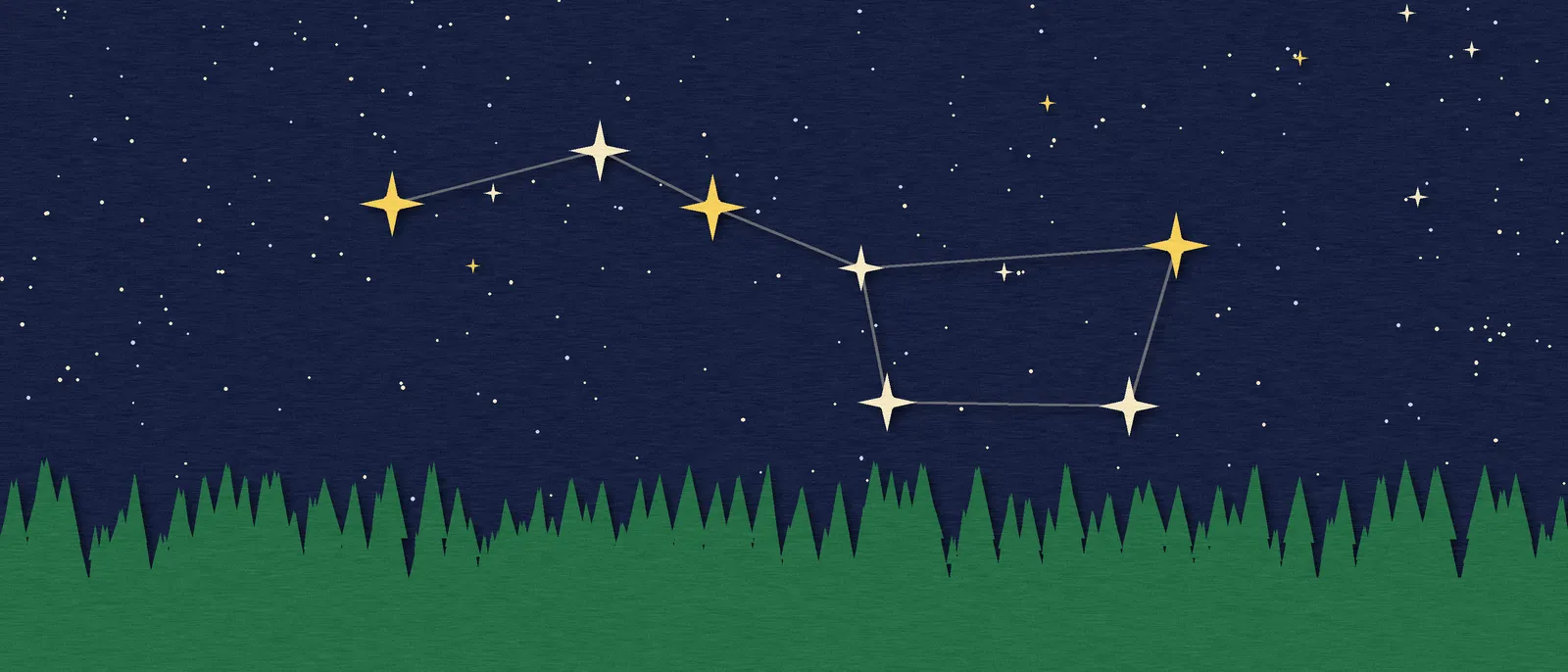
From eastern Massachusetts the Big Dipper is circumpolar, circling Polaris once a day, though the tip of its handle skims the horizon at its lowest.
Sky
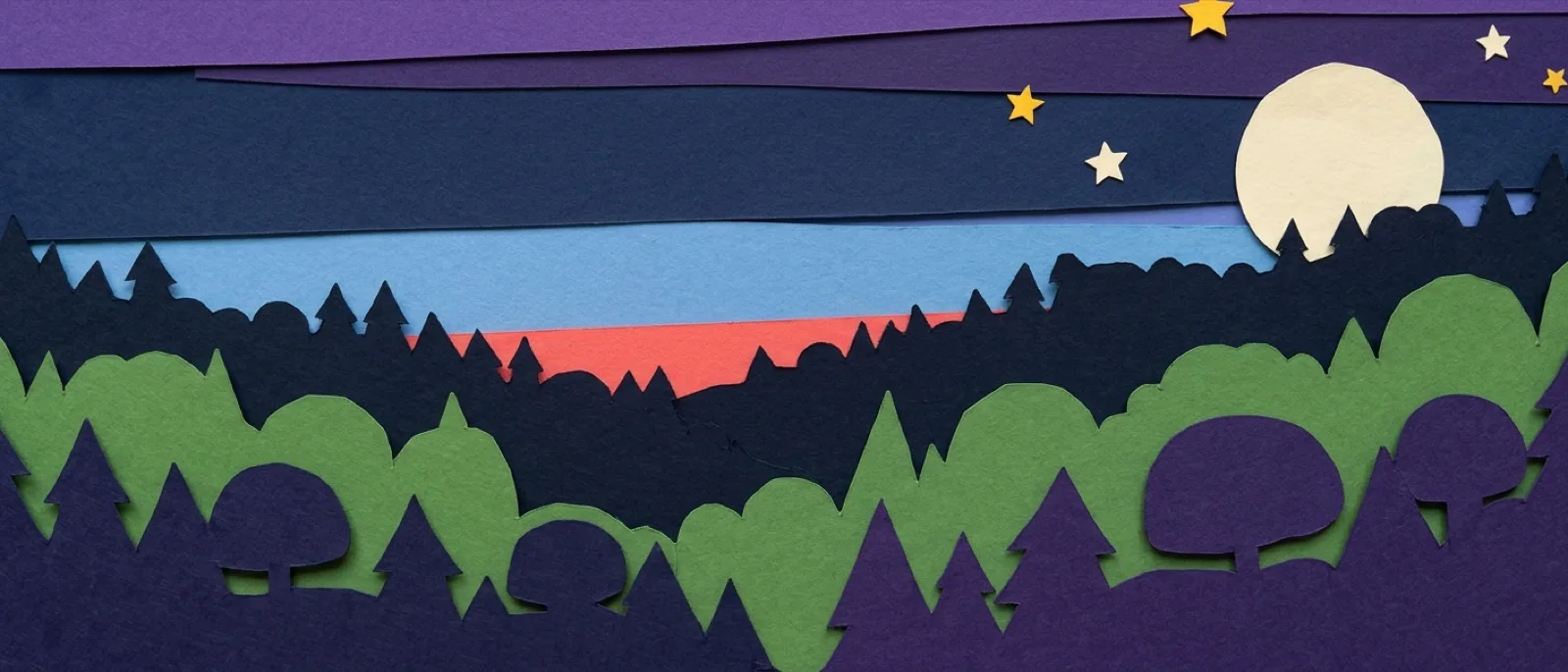
A clear full moon casts a sharp shadow. Moonlight is reflected sunlight, hundreds of thousands of times fainter than direct sun.
Sky
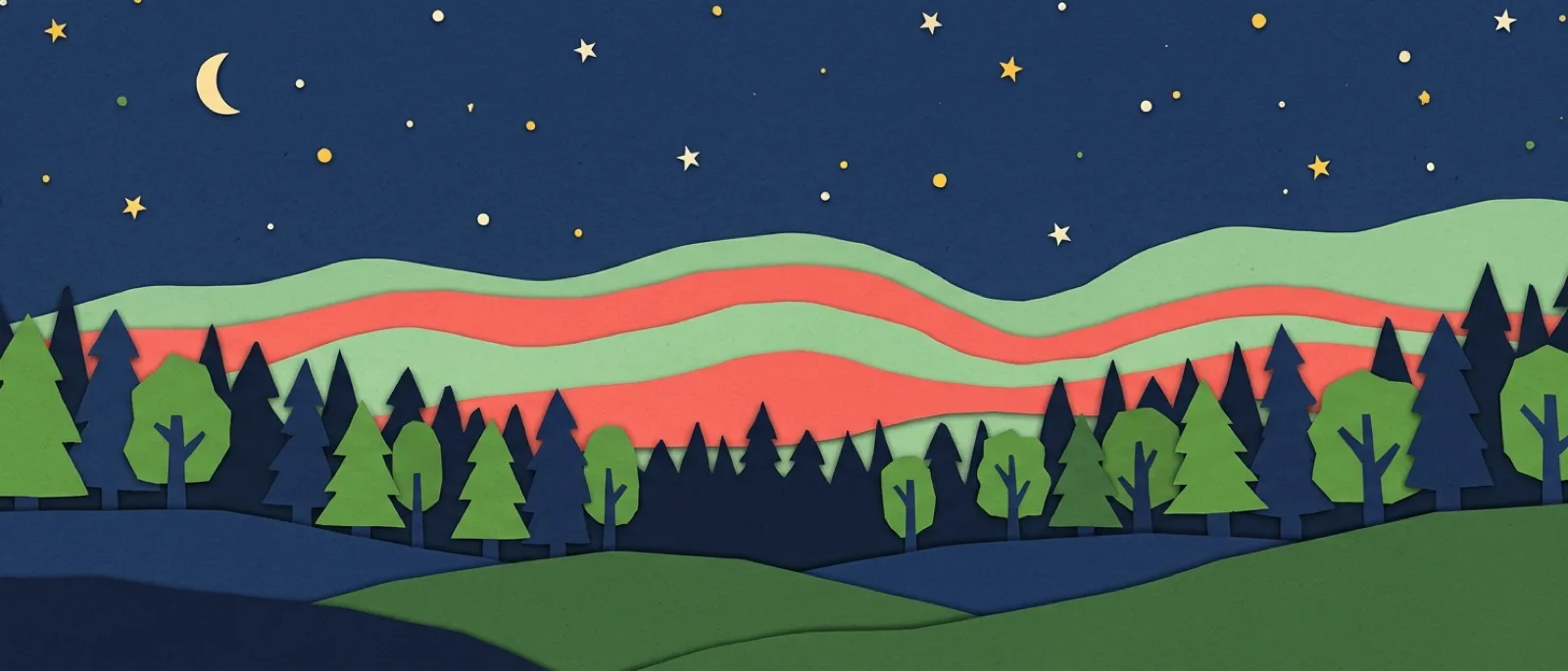
On rare strong geomagnetic storm nights the northern lights may glow low in the north, and a phone camera can show color the eye misses.
Sky
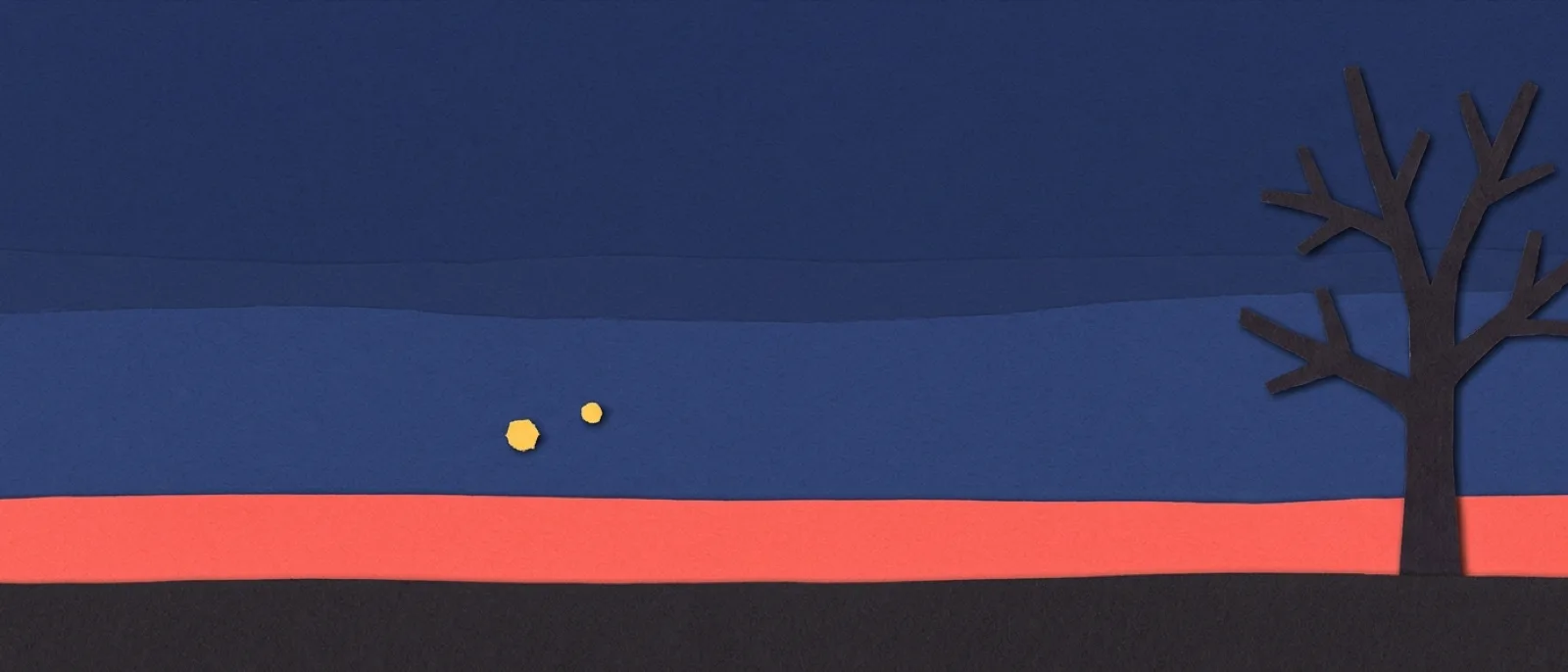
Stars twinkle because they are single points of light; a bright point that shines steady is often a planet, a tiny disk instead.
Sky
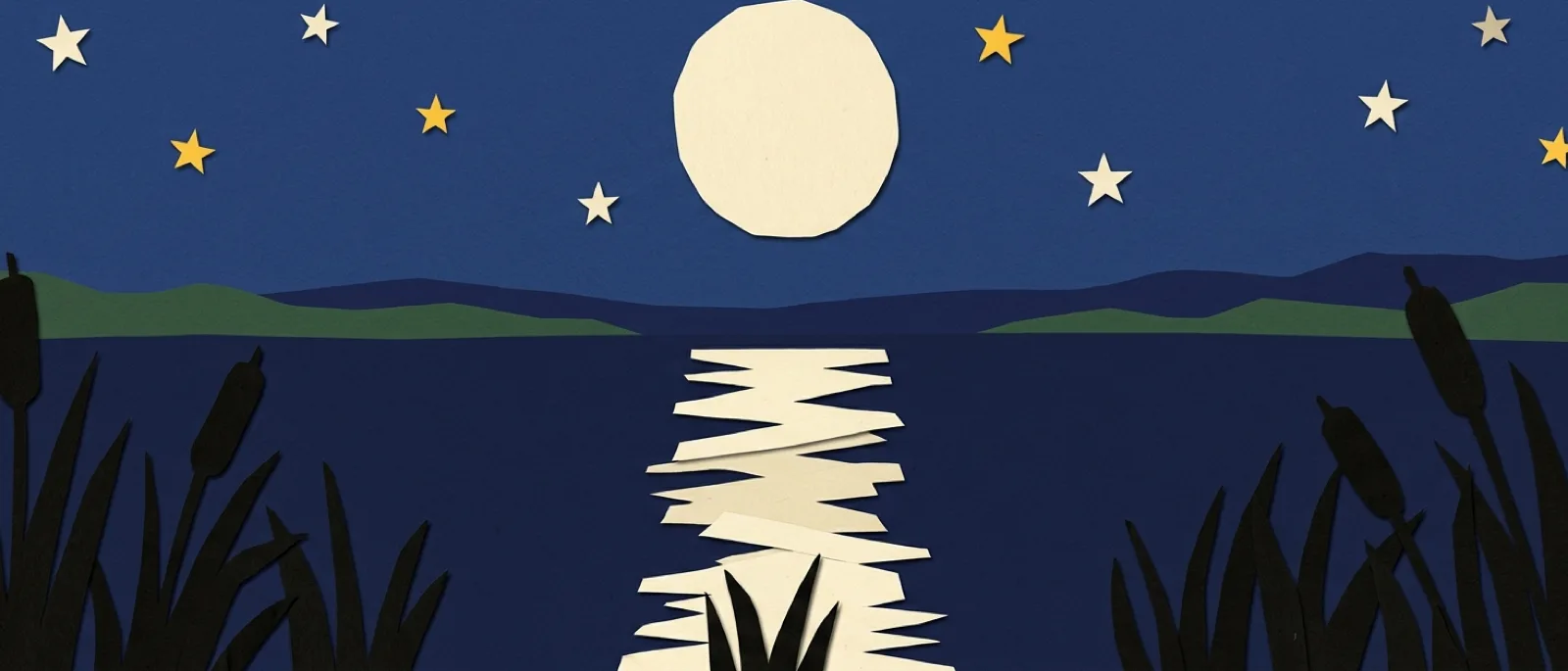
A rising full moon looks huge but measures the same width as it does higher in the sky. Test it with your fingernail.
Sky
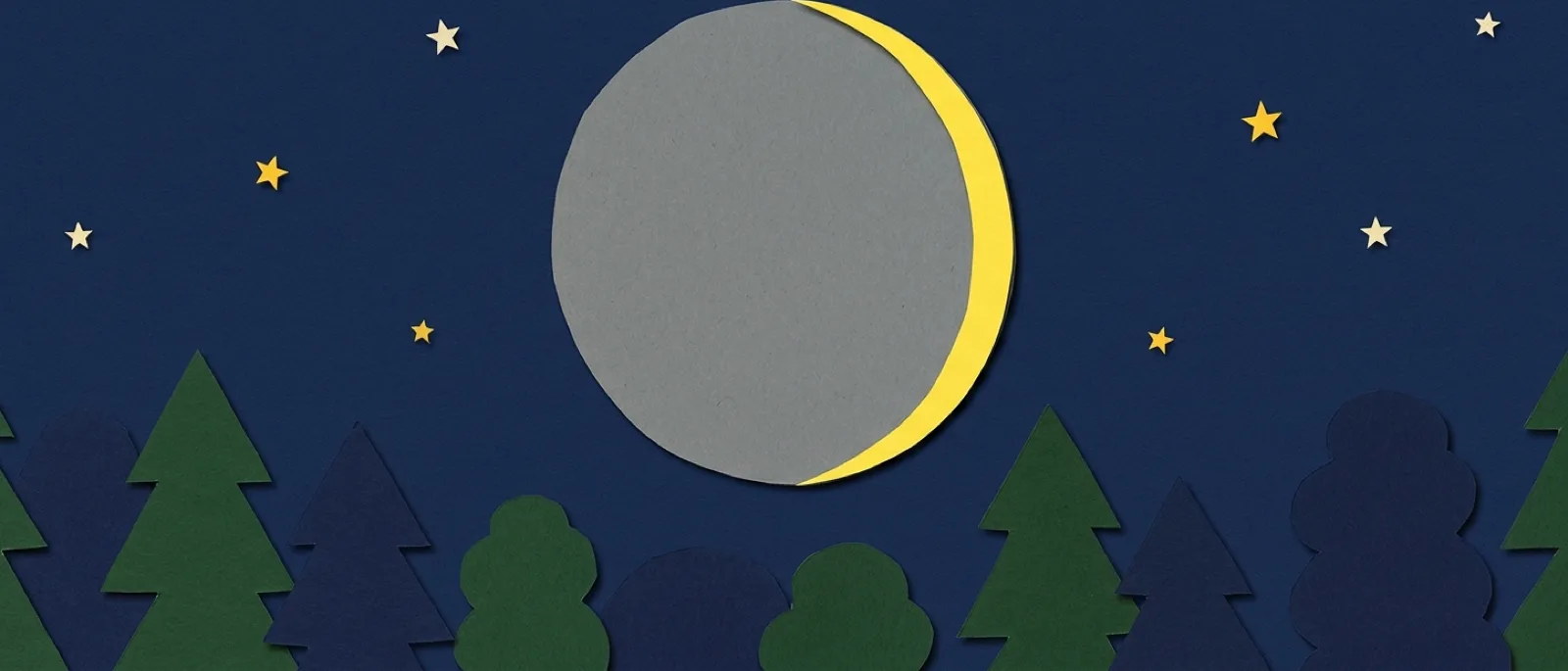
On a thin crescent Moon the dark part of the disk can glow faintly, lit by sunlight that bounced off Earth first.
Sky
Satellites, including the International Space Station, glide across the sky as steady points of light after sunset and before sunrise, lit by sunlight.
Sky
Orion's belt points to Sirius, the brightest star in the night sky. When it is low, its light crosses moving air and flashes red, blue and green.
Sky
A narrow shaft of light standing up from the sun at sunrise or sunset, made by glints from millions of nearly flat ice crystals drifting level.
Sky
Daylight barely grows after the solstice, then speeds up to about 3 minutes a day. In January most of the new light lands in the evening.
Sky
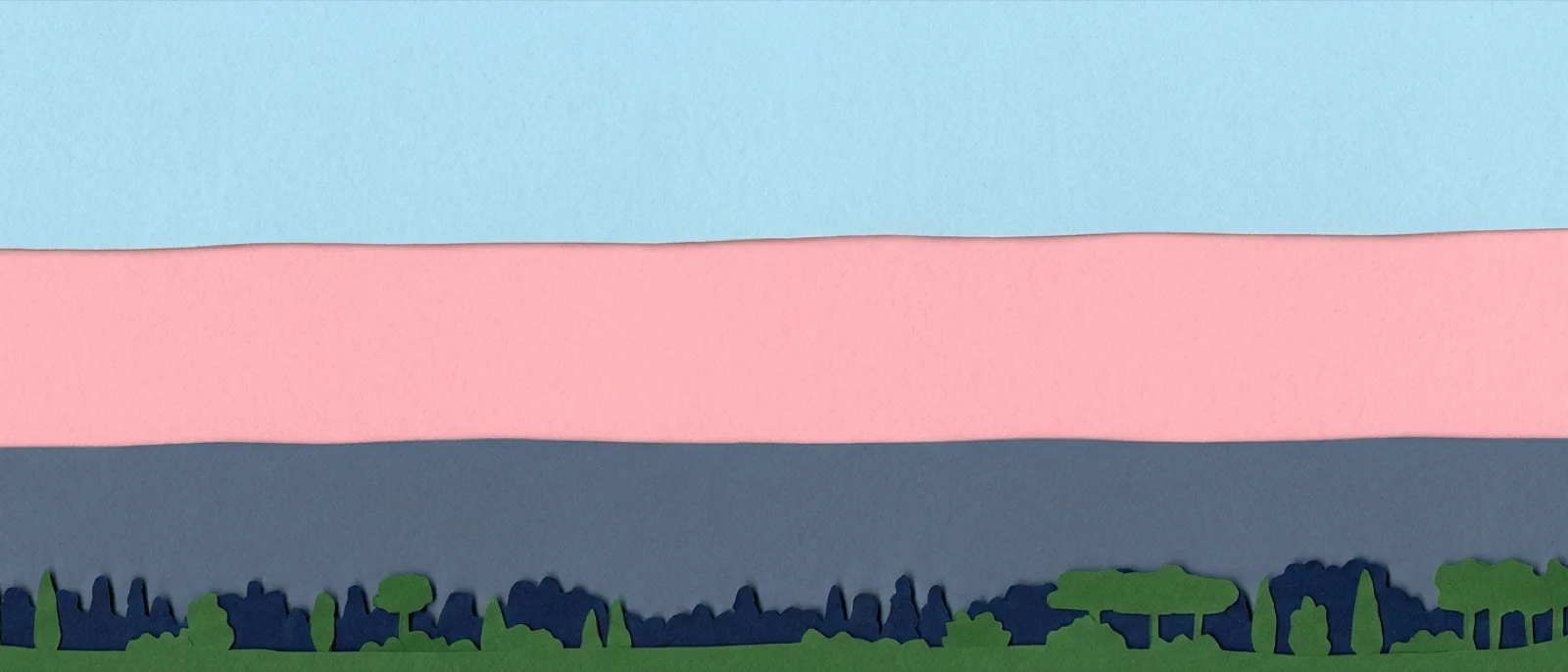
On a clear evening a dark blue-gray band rises low in the east after sunset. It is the shadow of the Earth, with the pink Belt of Venus above it.
Weather
The hush after a snowfall is real. Fresh snow is mostly air, and that trapped space swallows sound instead of bouncing it back like pavement does.
Weather
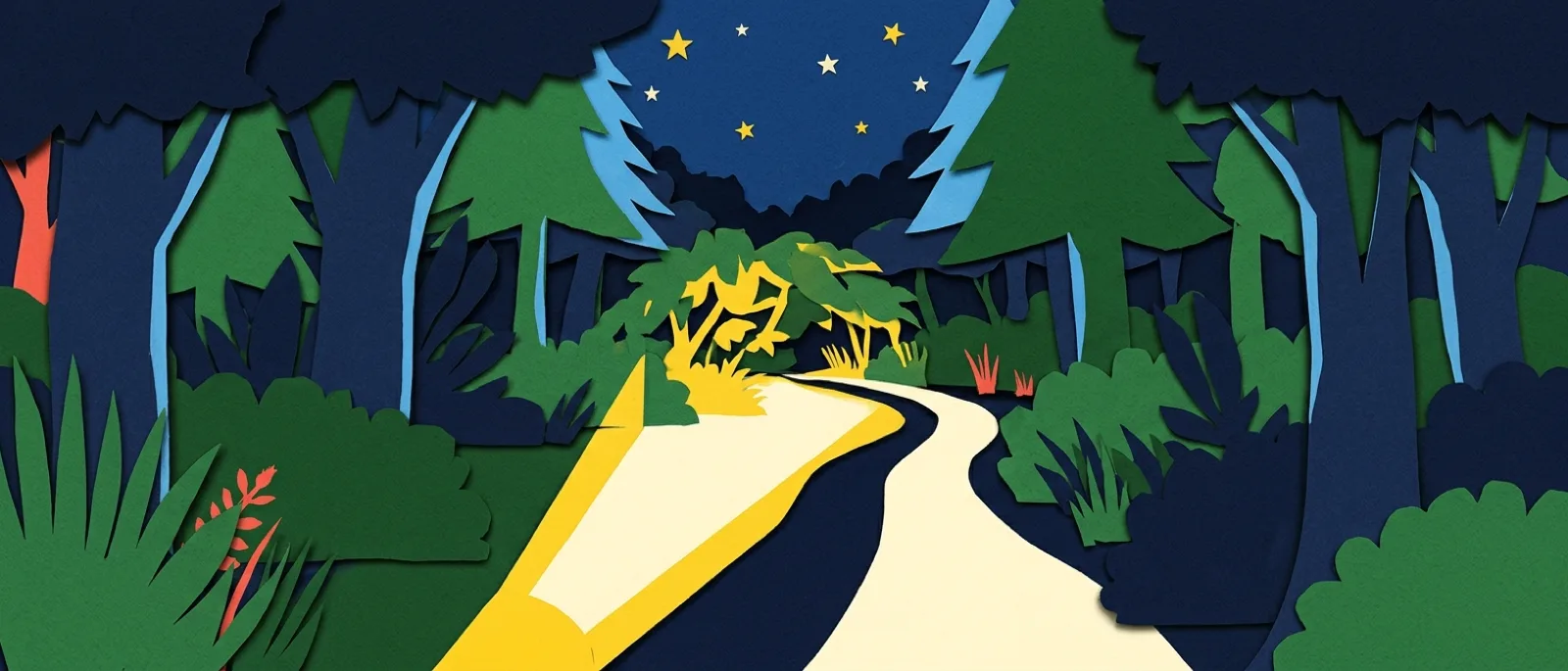
On a clear calm night the air at your feet ends up colder than the air above, and that flipped layer bends sound back down so it carries much further.
Weather
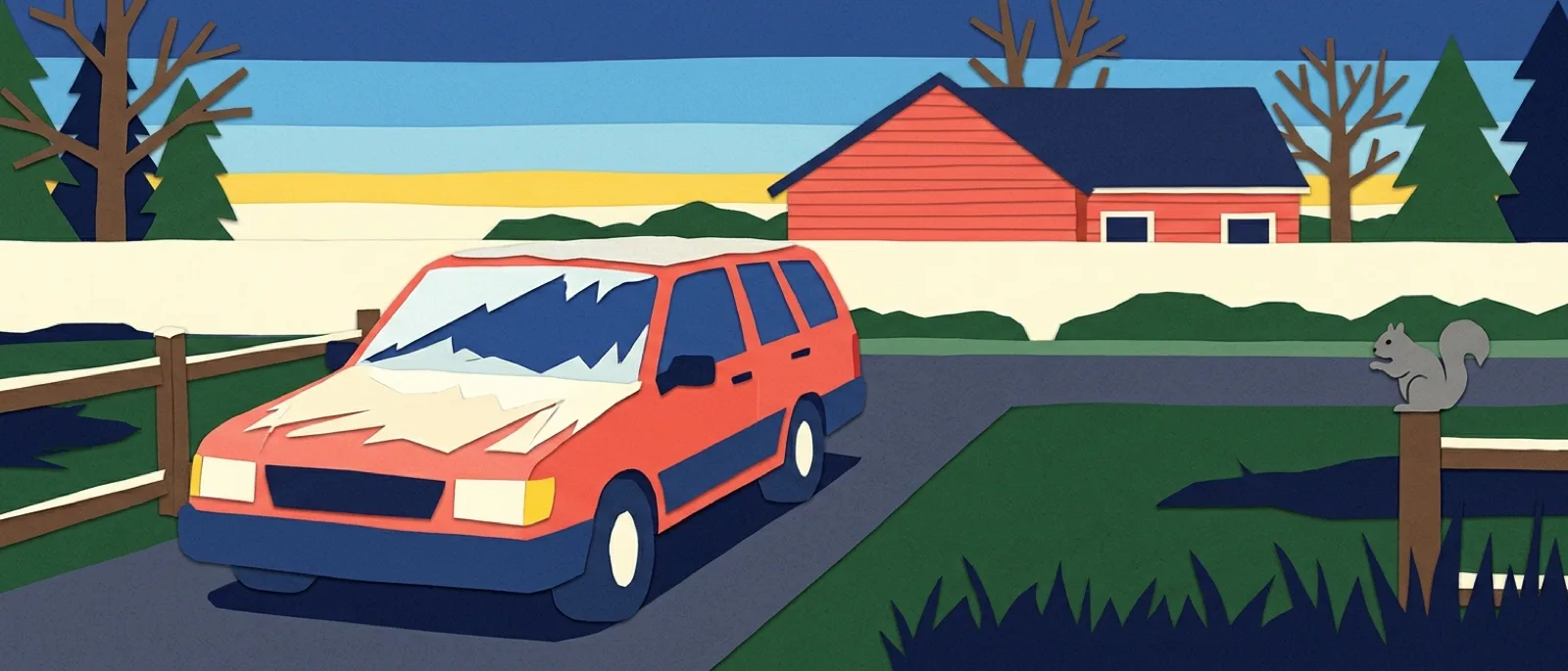
On a clear, still night a surface facing the sky loses heat faster than the air, dropping below freezing while the air a few feet up does not.
Weather
A nor'easter is a coastal storm named for the northeast wind over the coast, though the storm itself usually moves up the coast toward the northeast.
Weather
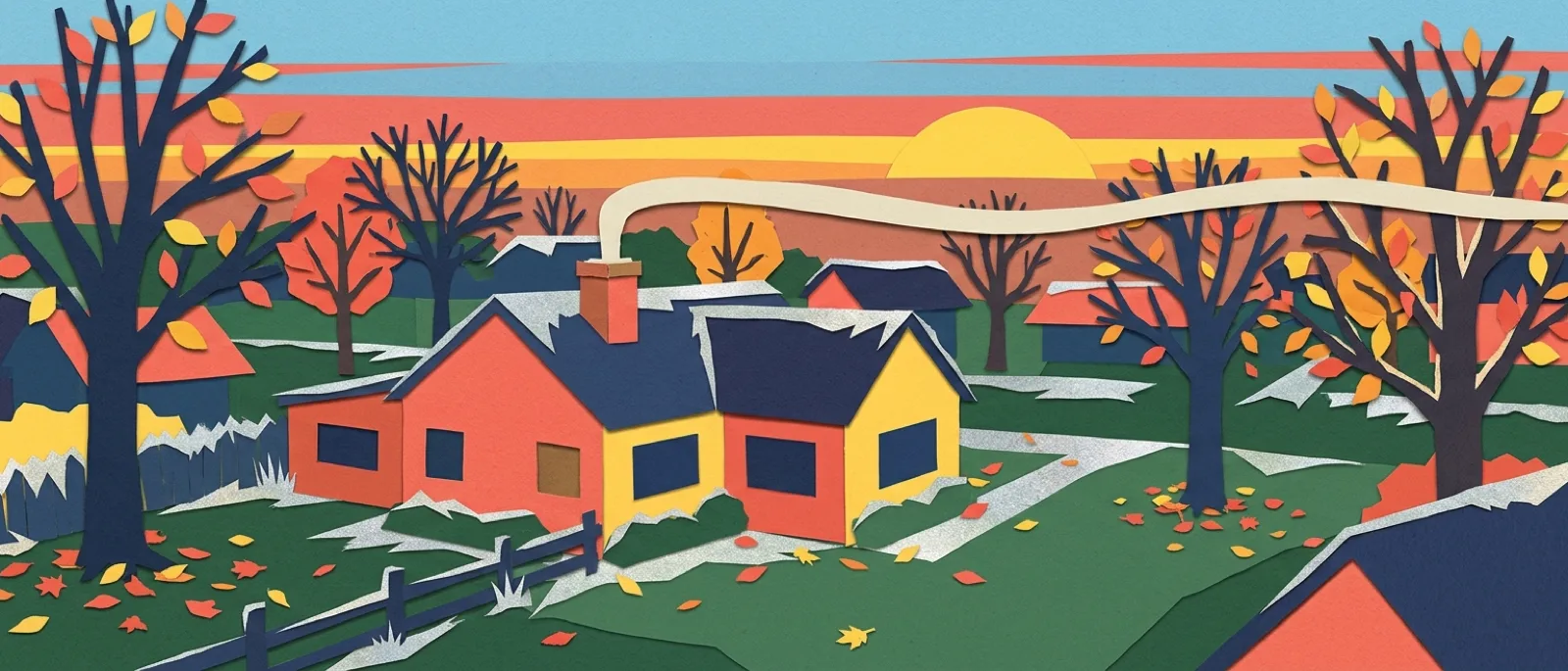
On clear, calm, cold mornings, smoke rises a little then spreads sideways, held under a layer of warmer air above the cold ground.
Weather
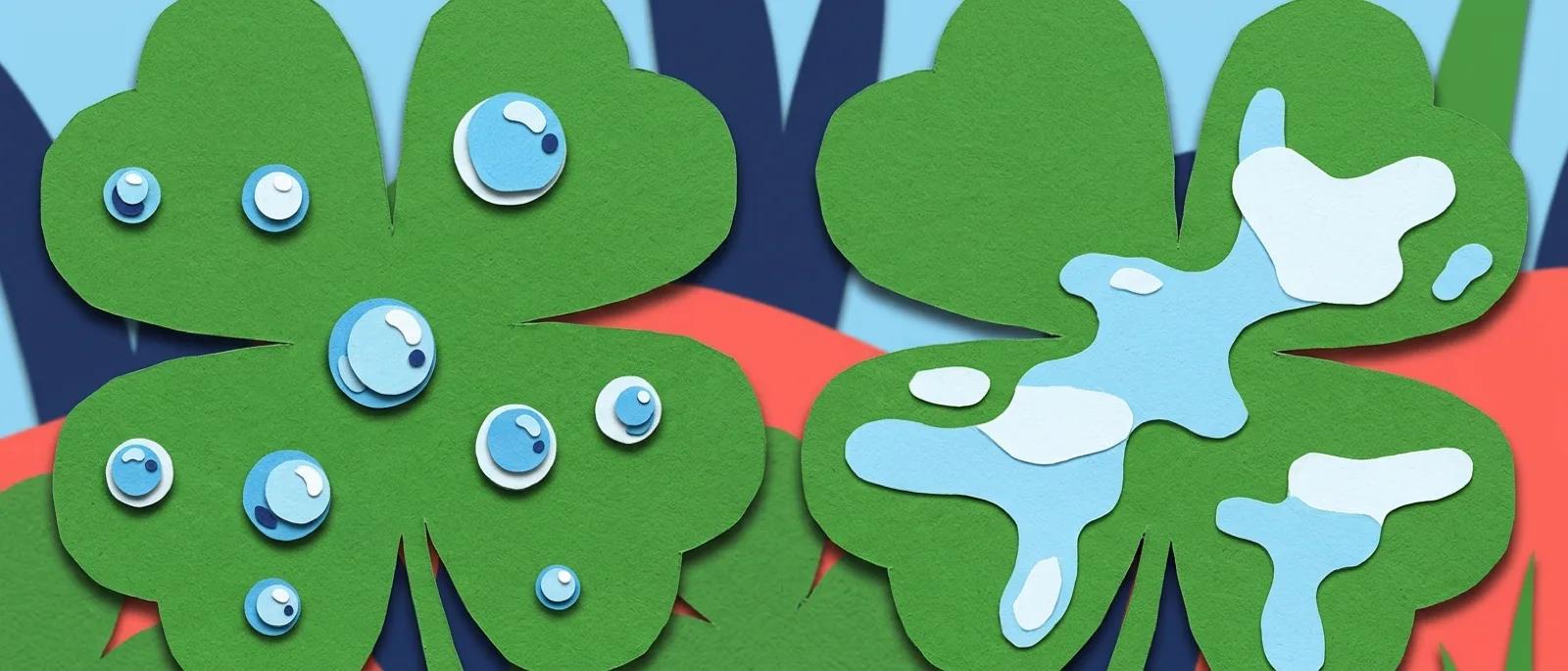
Soft, opaque white pellets made when supercooled droplets freeze onto a snowflake. They crumble in your fingers; sleet and hard hail do not.
Weather
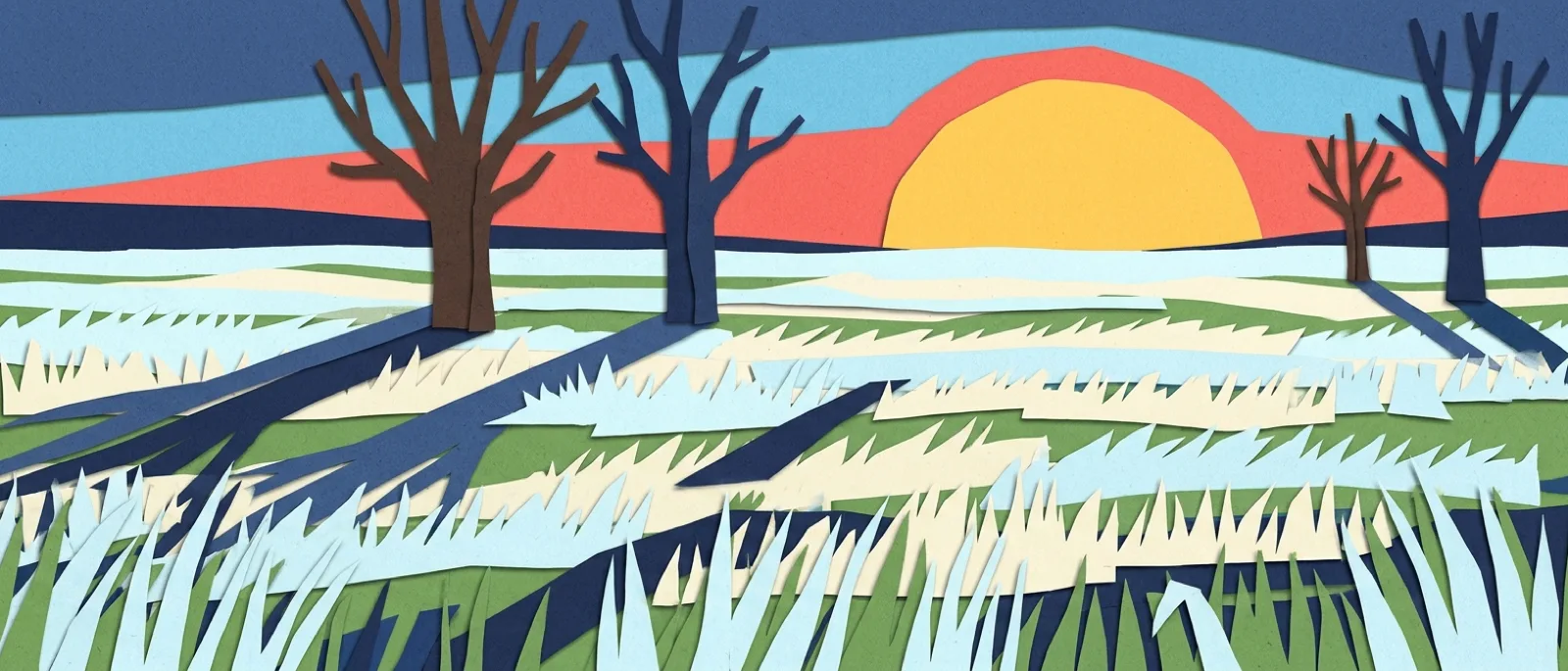
Frost and snow stay longest on the shaded, north-facing side of roofs, walls and hills, where the low winter sun strikes little or none.
Weather
Stand with your back to a steady wind and the center of low pressure lies off to your left, a little ahead.
Weather
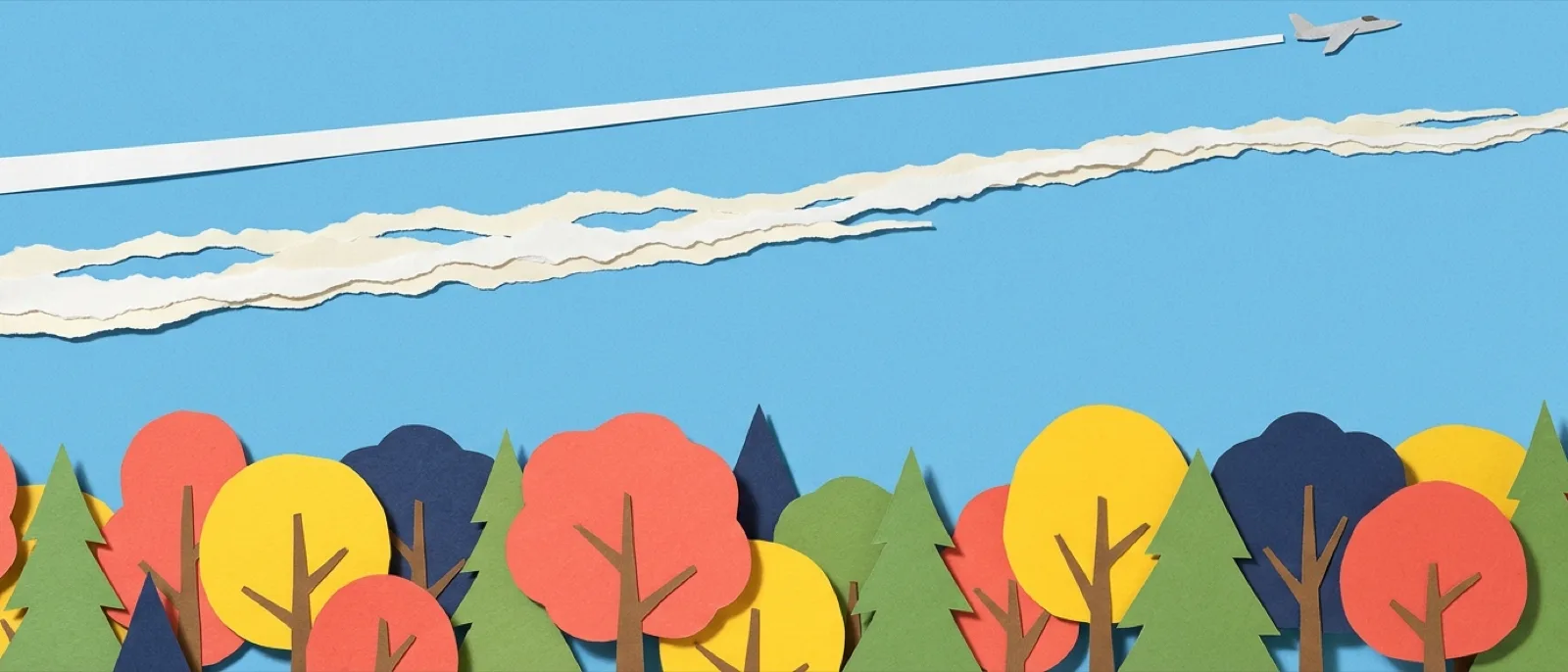
A short-lived contrail means relatively dry air high up; one that lingers and spreads means the air up there holds a lot of moisture.
Weather
Rain that freezes the moment it touches a cold surface can coat every twig, bud and wire in a layer of ice called glaze.
Weather
Snow forms in freezing air aloft and can reach the ground on a day a few degrees above 32 F, because dry air cools the falling flakes.
Weather
Snow crystals caught on a dark sleeve show six-armed stars, plates, columns or needles, and the shape records the temperature of the cloud they grew in.
Weather
Cold air holds little water and heating it adds none, so indoor air gets very dry and the charge you pick up has nowhere to leak away.
Weather
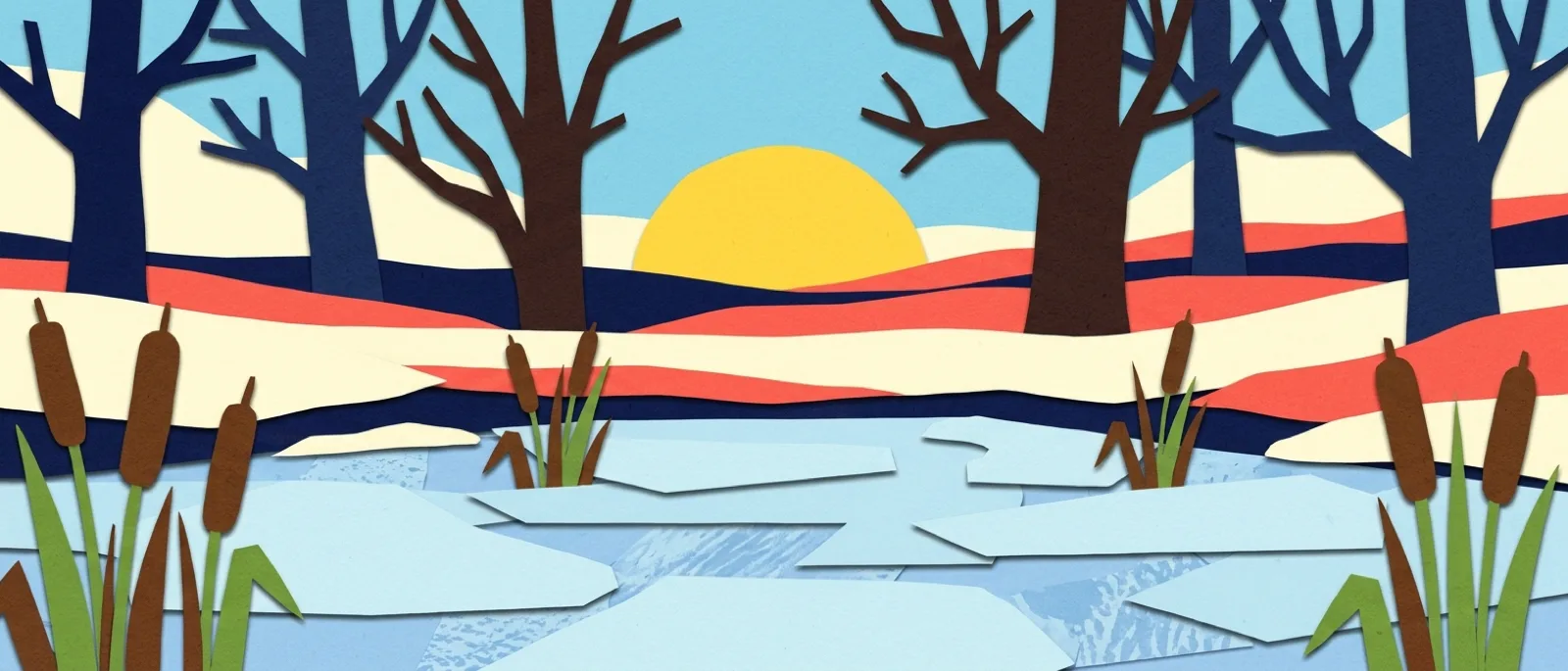
Icicles grow when melted snow refreezes as it drips, and many carry evenly spaced ripples about a centimeter apart.
Weather
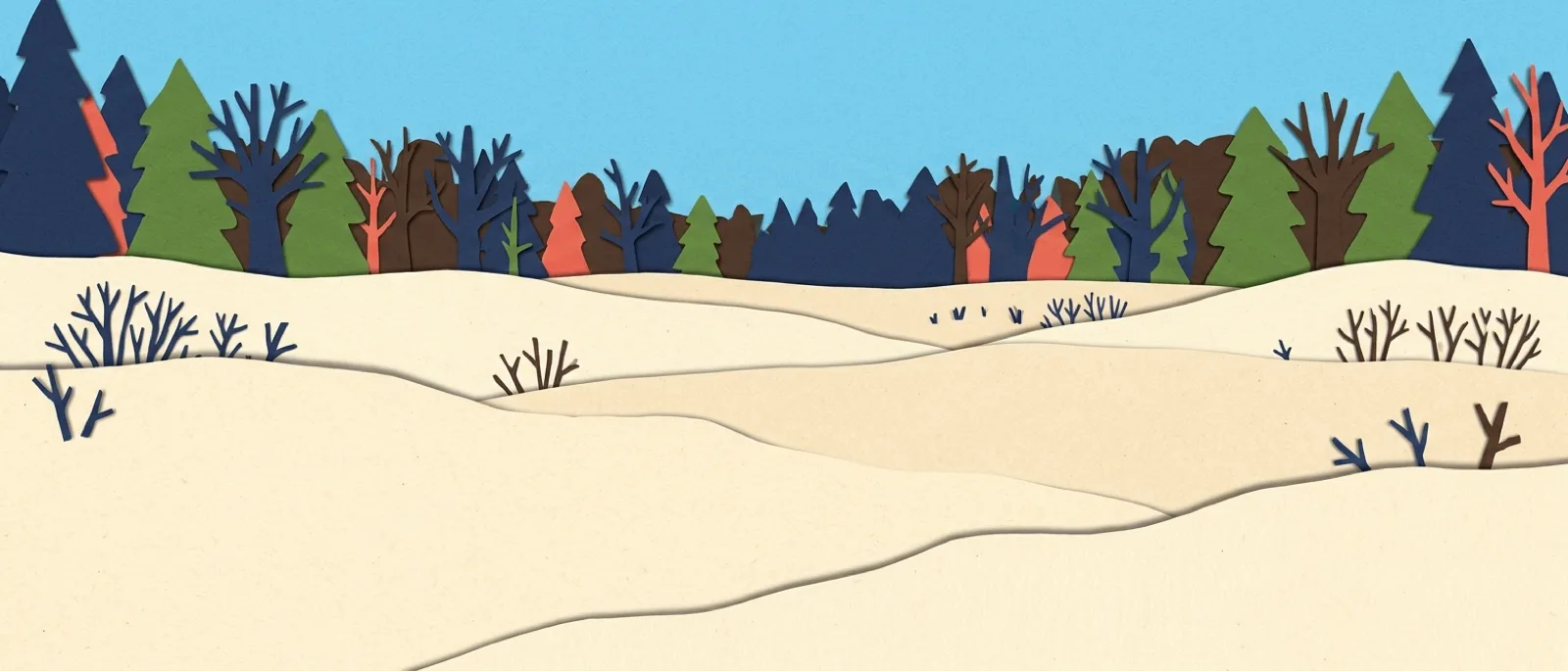
Shaded snow gets no direct sunlight and is lit mostly by the blue sky, and the bright sunlit snow beside it makes that blue stand out.
Birds
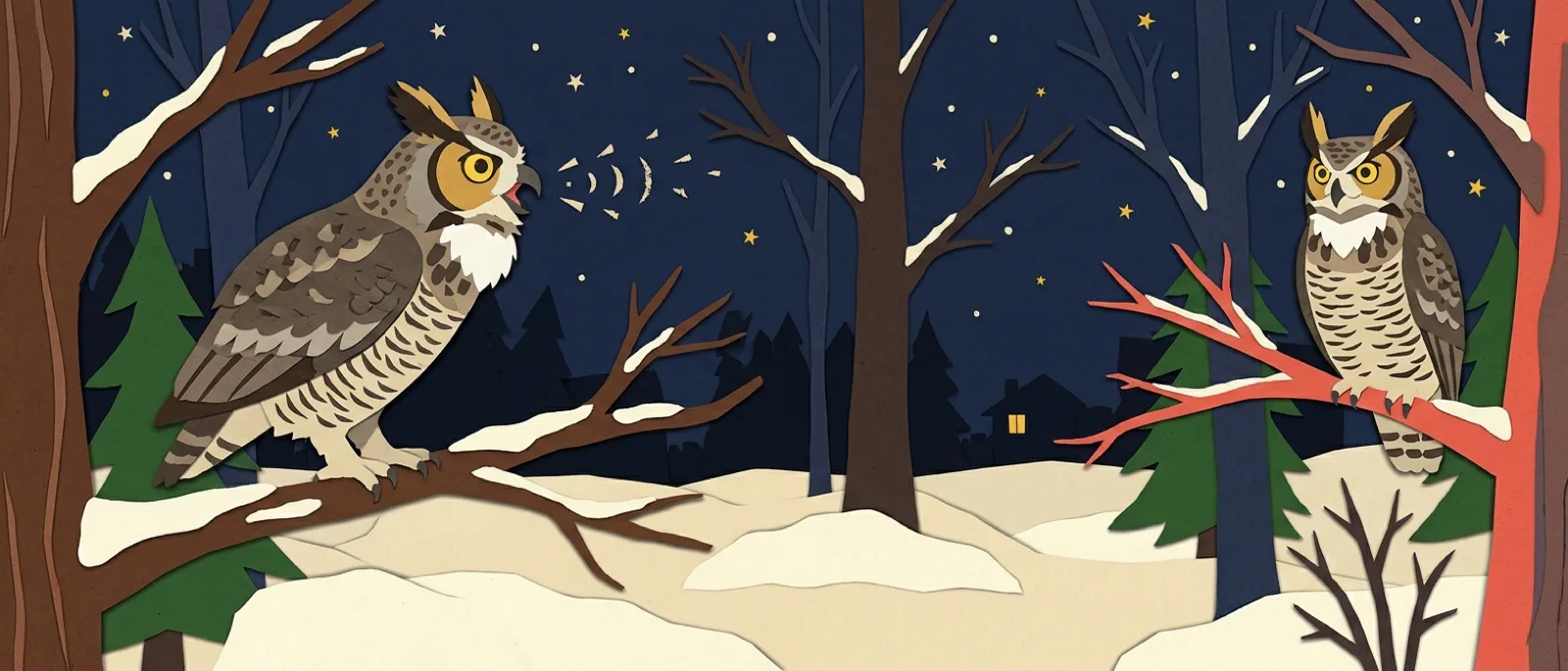
In late winter a paired male and female hoot back and forth across their territory, and the female is the higher voice with an extra note at the start.
Birds
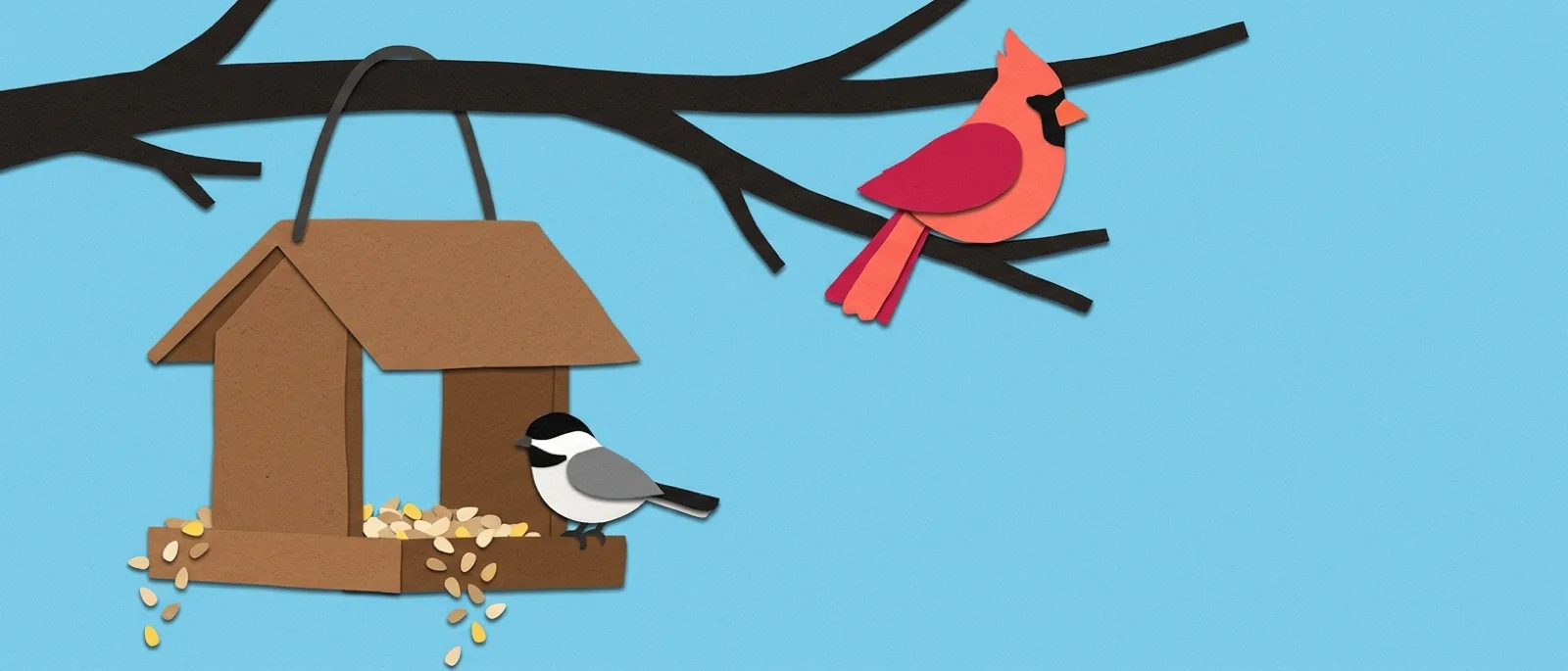
In late winter, feeder chickadees add a clean two-note whistle, the second note lower, alongside the buzzy chickadee-dee-dee call they keep using.
Birds
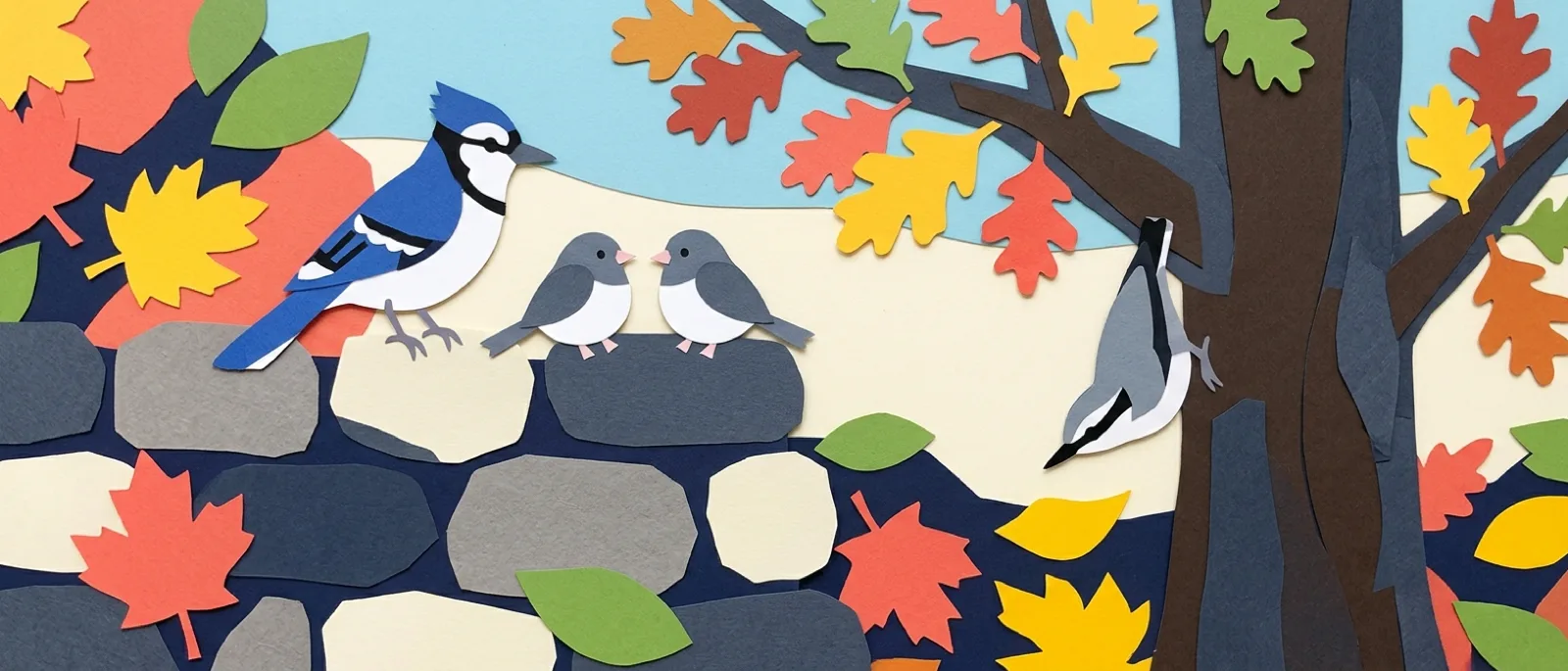
The dark-eyed junco, a slate-grey sparrow with a white belly, is in eastern Massachusetts yards from October to April, feeding on the ground under feeders.
Birds
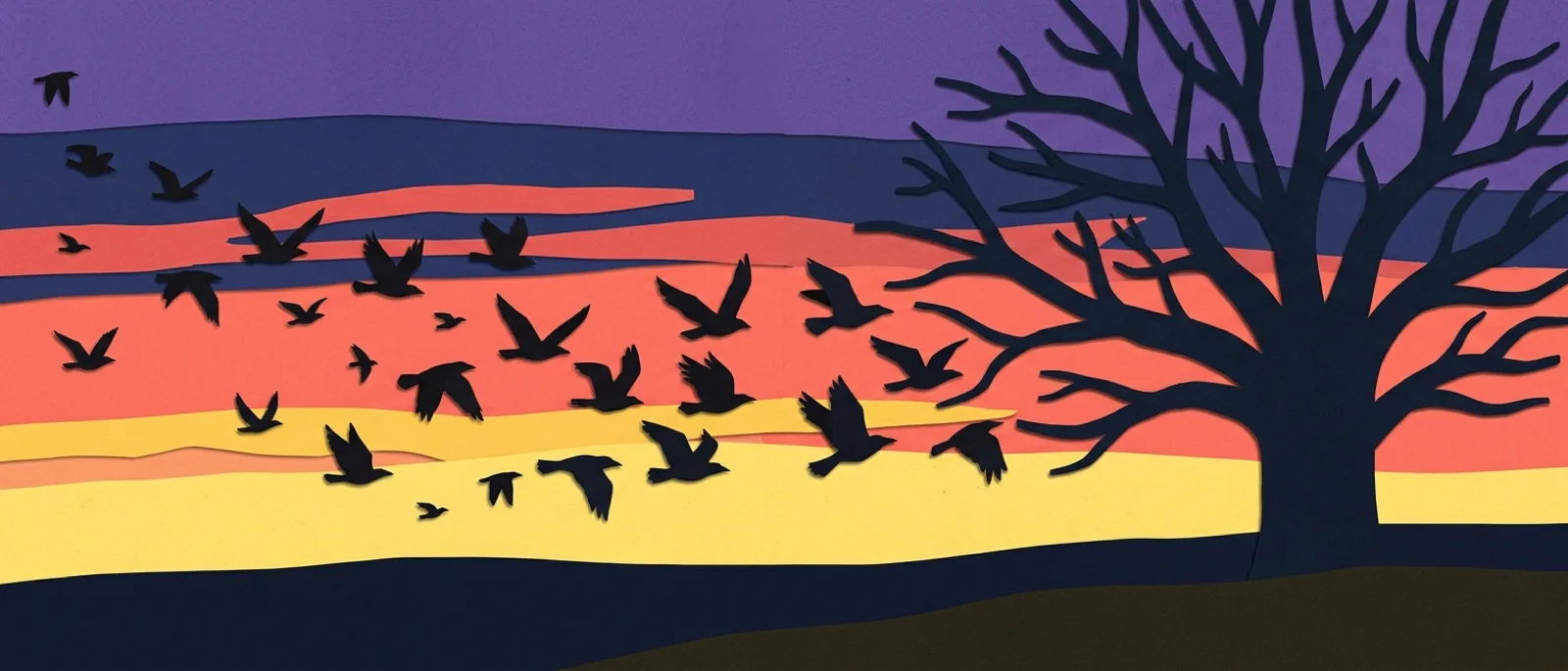
Crows and common ravens are both big black birds, and the tail settles it at a glance: a crow's opens like a fan, a raven's like a wedge.
Birds
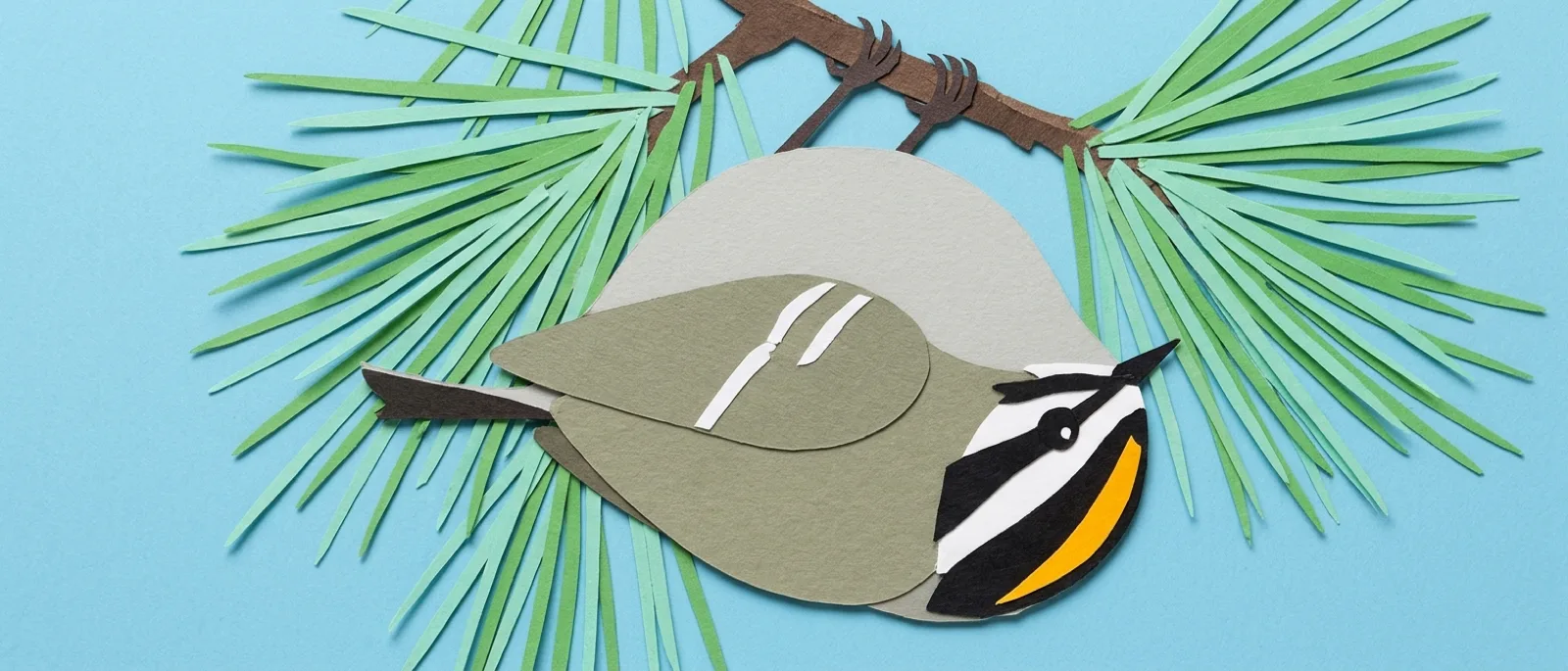
Golden-crowned kinglets, among North America's tiniest songbirds, pass through Massachusetts conifers from mid-September through November.
Birds
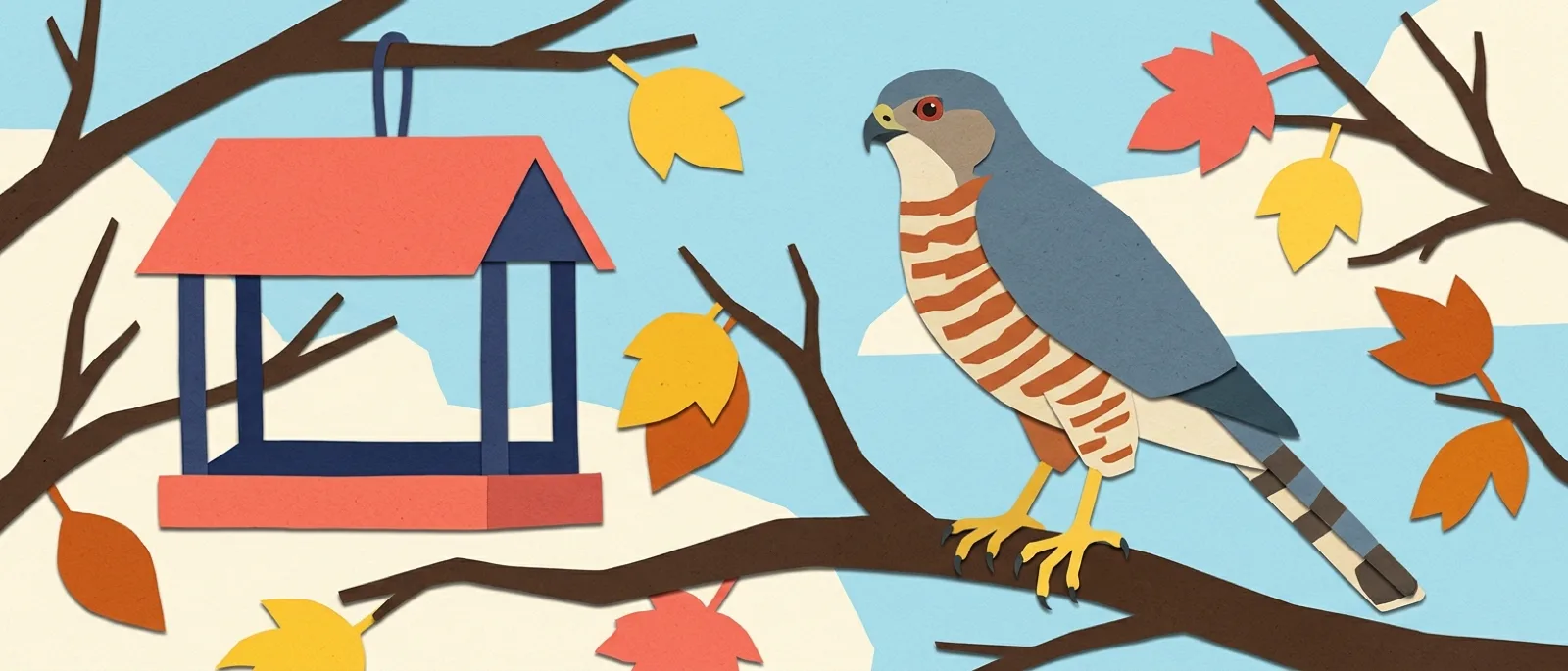
Cooper's and sharp-shinned hawks hunt songbirds at backyard feeders in Massachusetts; a feeder that suddenly empties may have one nearby.
Birds
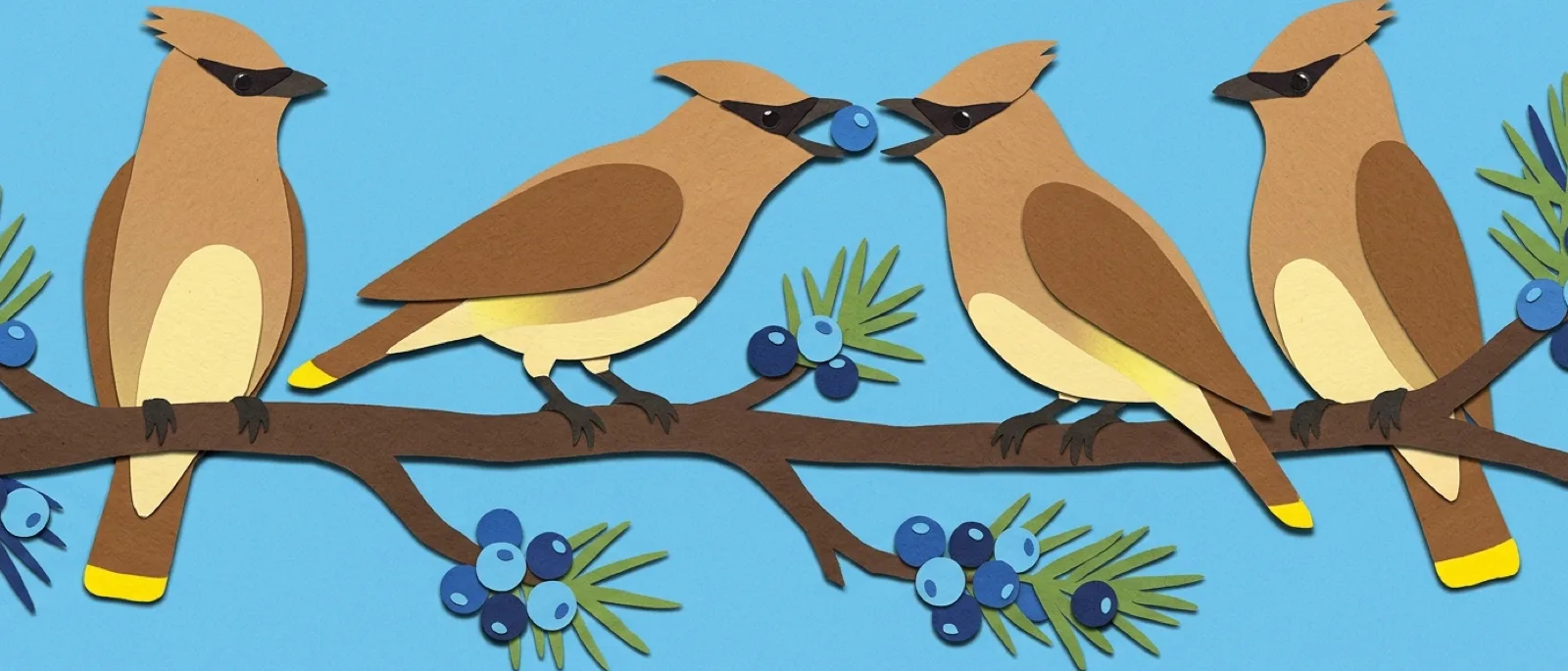
Crested tan-and-yellow cedar waxwings travel in flocks to fruiting trees and shrubs, and sometimes pass a berry bill to bill.
Birds
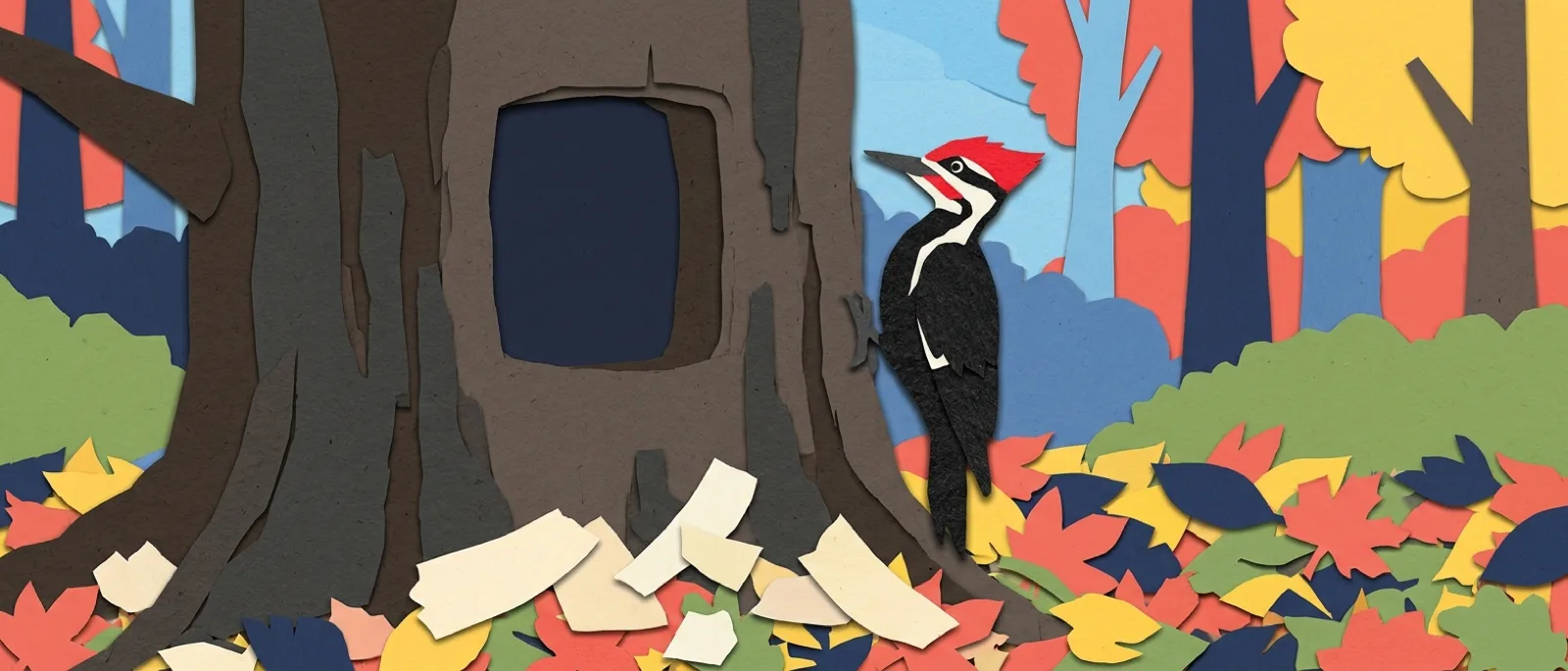
Pileated woodpeckers chisel large rectangular holes into dead trees, stumps and logs to reach carpenter ants, leaving big wood chips below.
Birds
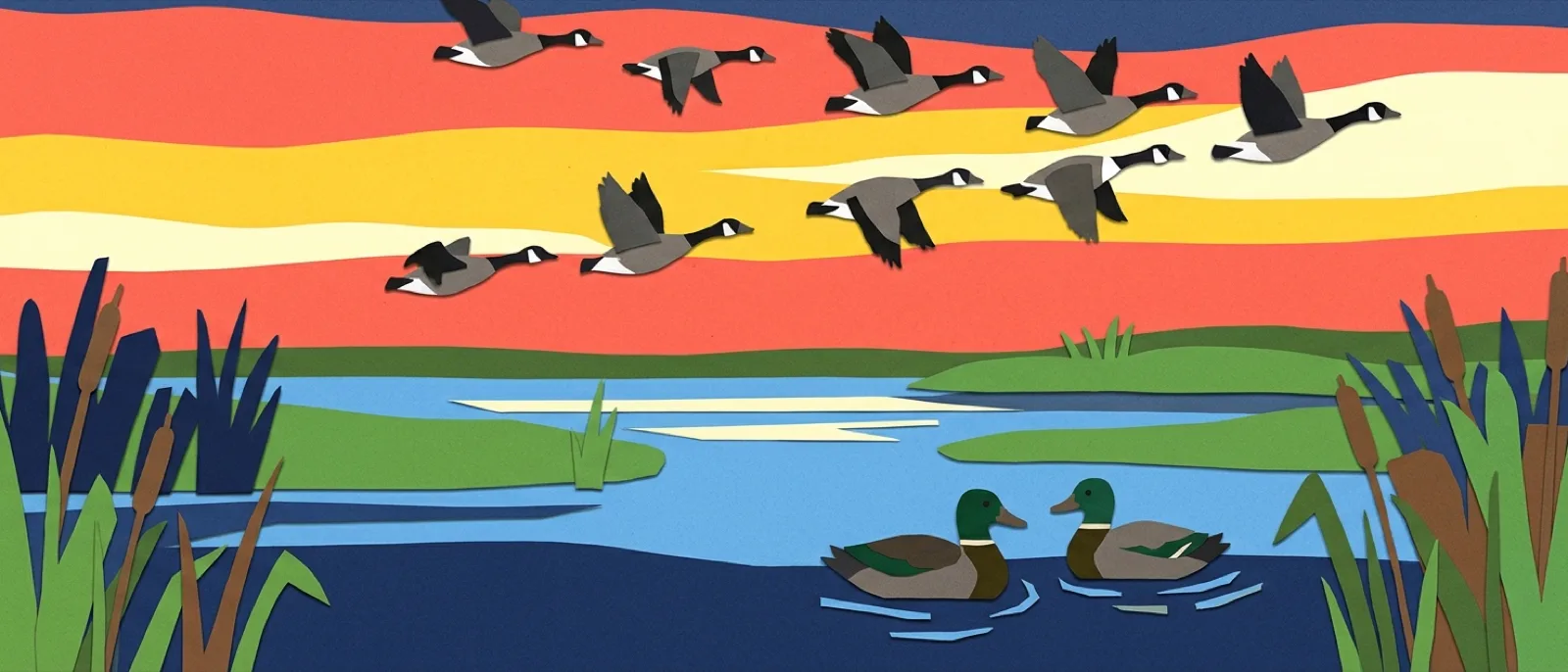
Common eiders, scoters and long-tailed ducks spend the winter on open saltwater, diving for mussels, clams and small crustaceans.
Birds
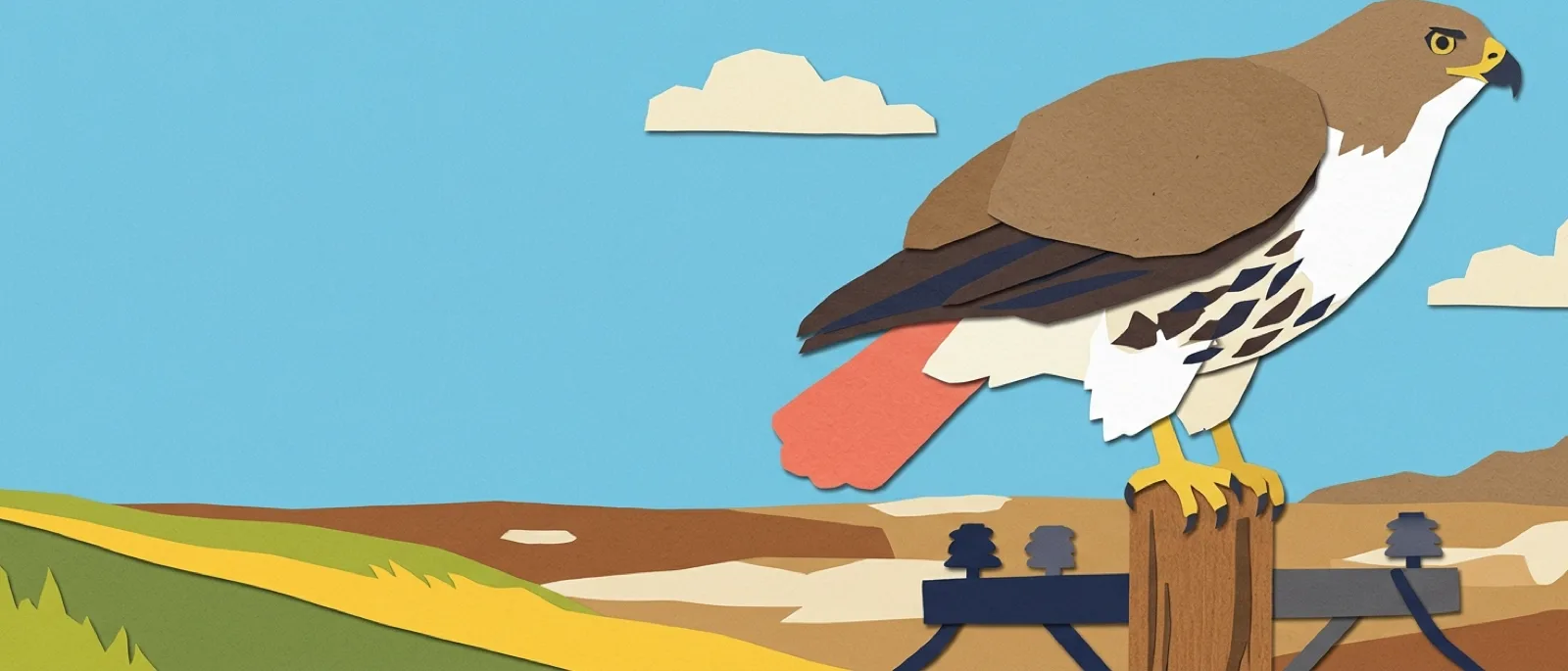
Big red-tailed hawks, most with a white chest and a dark belly band, sit on roadside poles and trees watching for mice and voles.
Birds
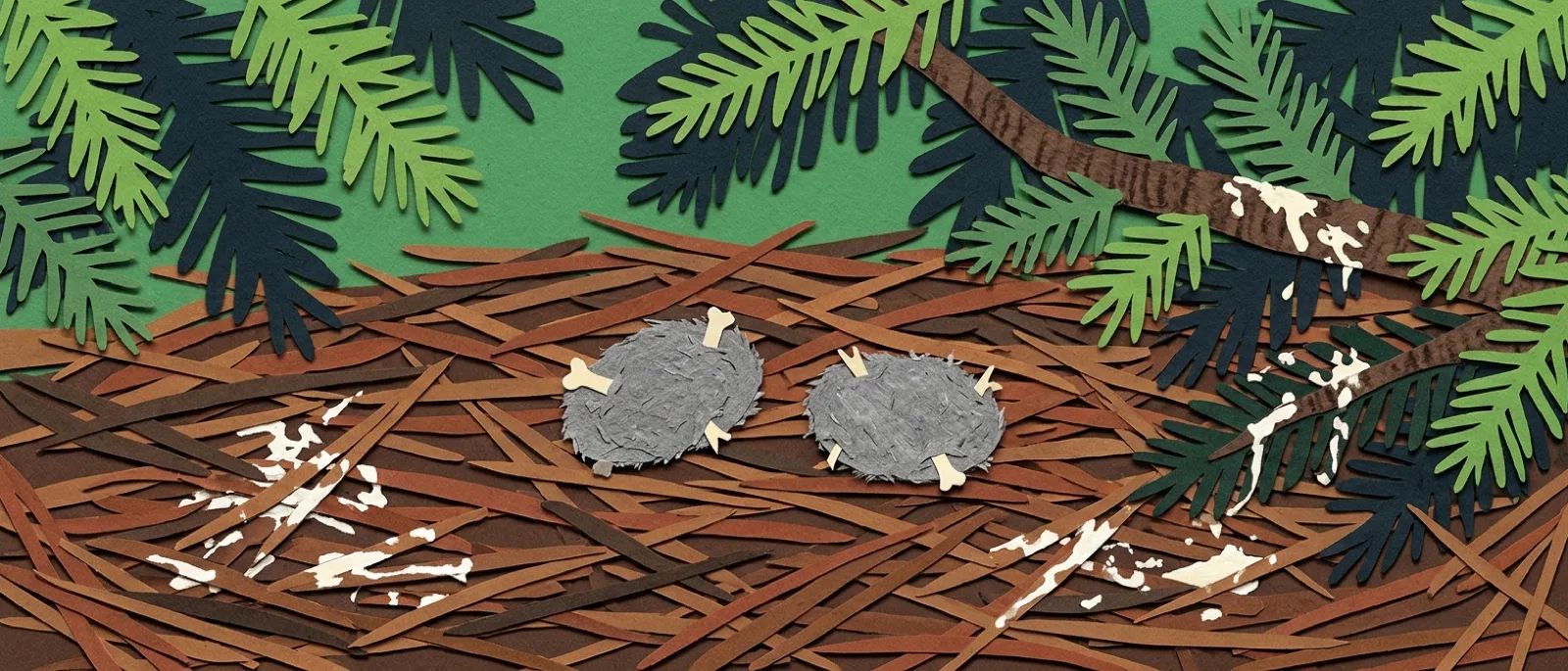
Owls cough up the fur and bones of prey as pellets, and under a roost tree they reuse, pellets and white droppings can pile up.
Birds
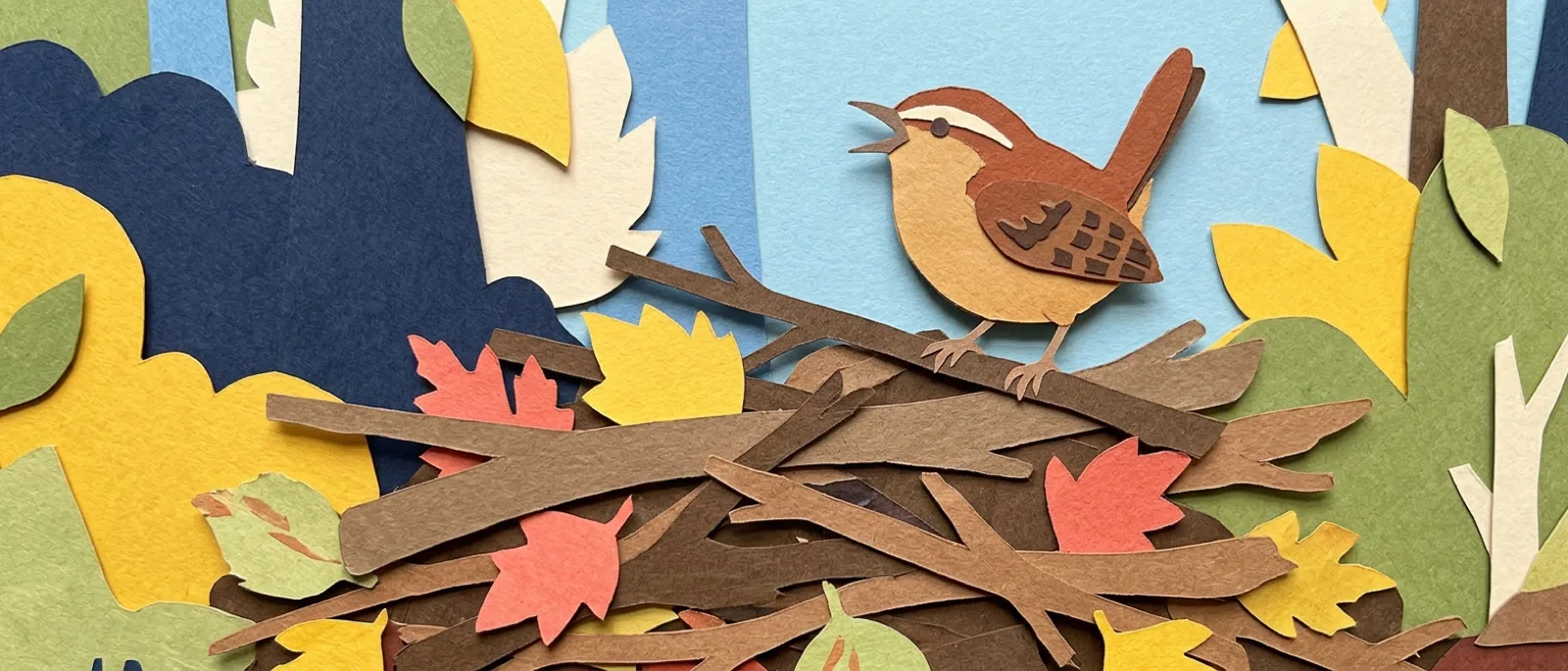
A small rusty-brown wren with a white eyebrow that lives in Massachusetts all year and is one of the few birds that sings in every month.
Birds
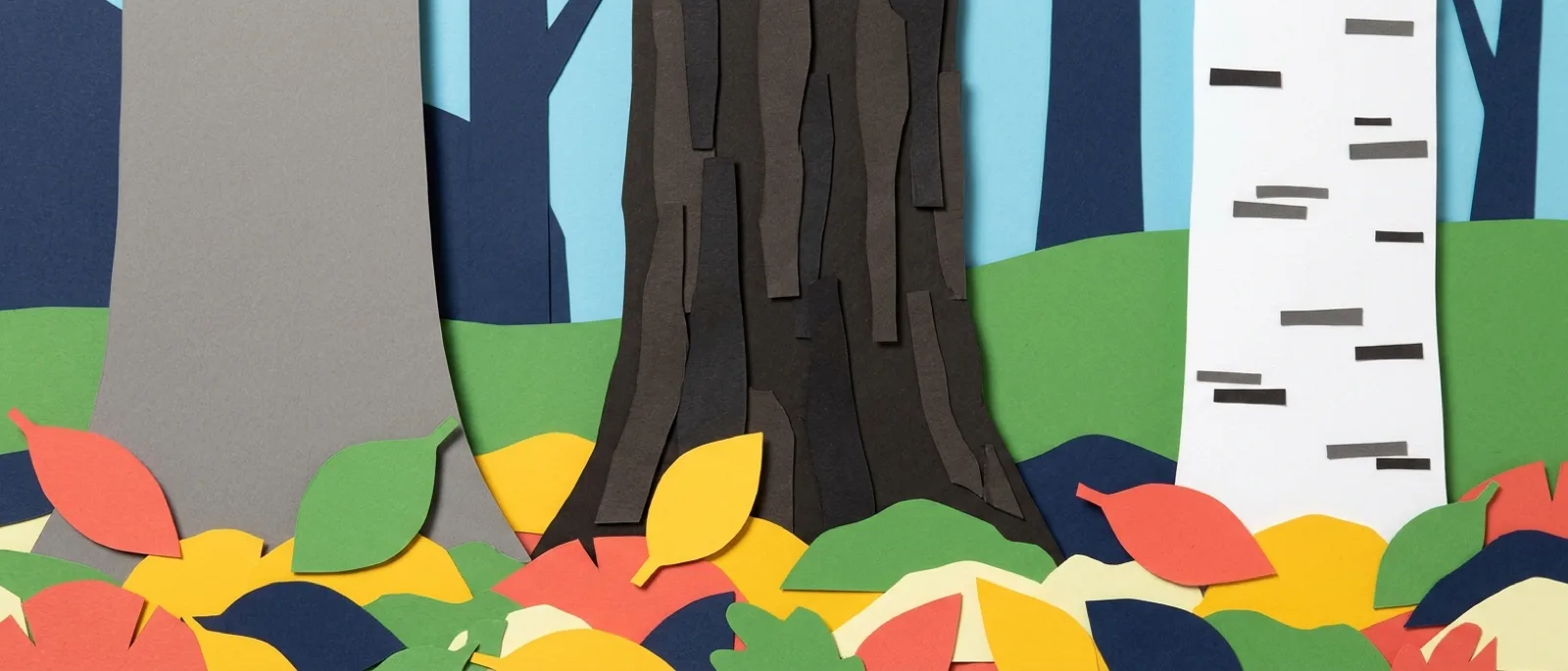
The brown creeper is a small streaky-brown bird that looks like bark and climbs trunks from the bottom up, then flutters to the next tree.
Birds
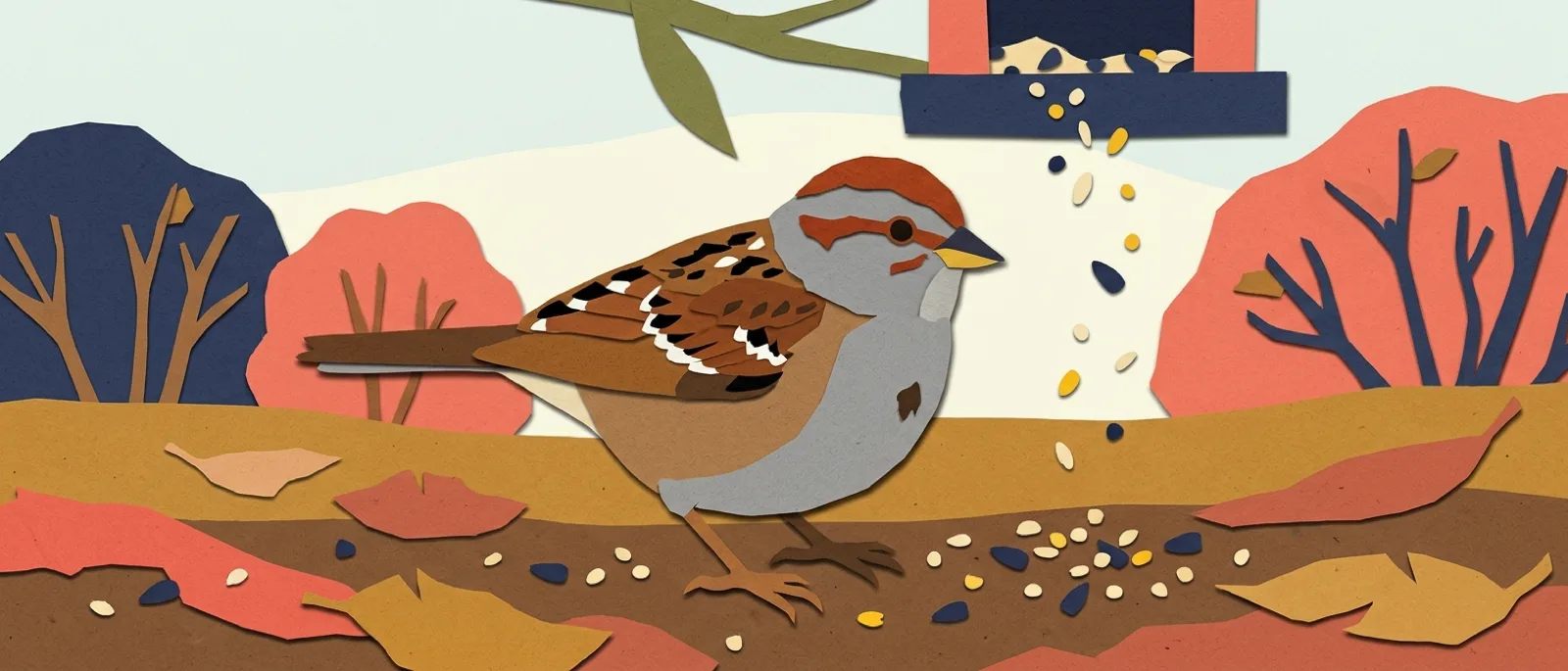
American tree sparrows nest in the far north and winter here, hopping in small flocks in weedy fields, hedgerows, and under backyard feeders.
Birds
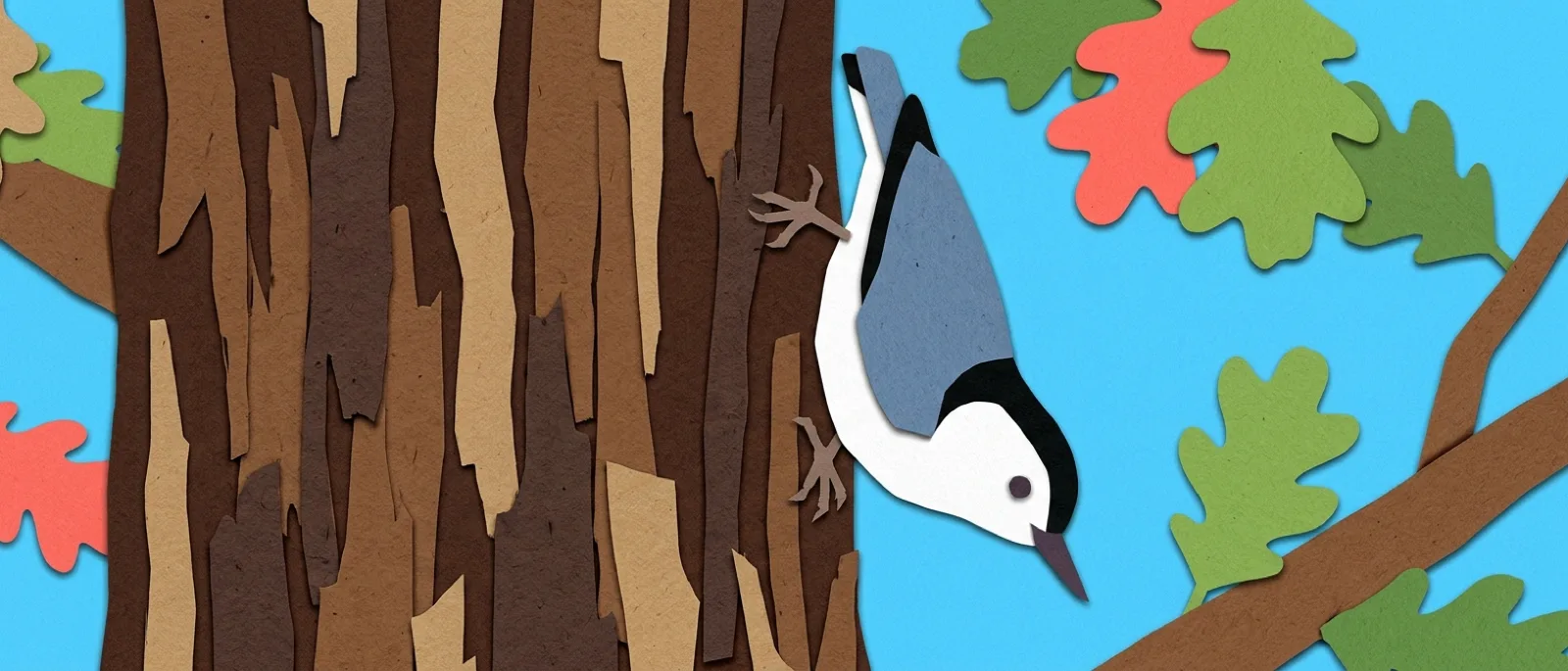
The white-breasted nuthatch climbs down tree trunks headfirst and hangs under branches, which woodpeckers and brown creepers cannot do.
Birds
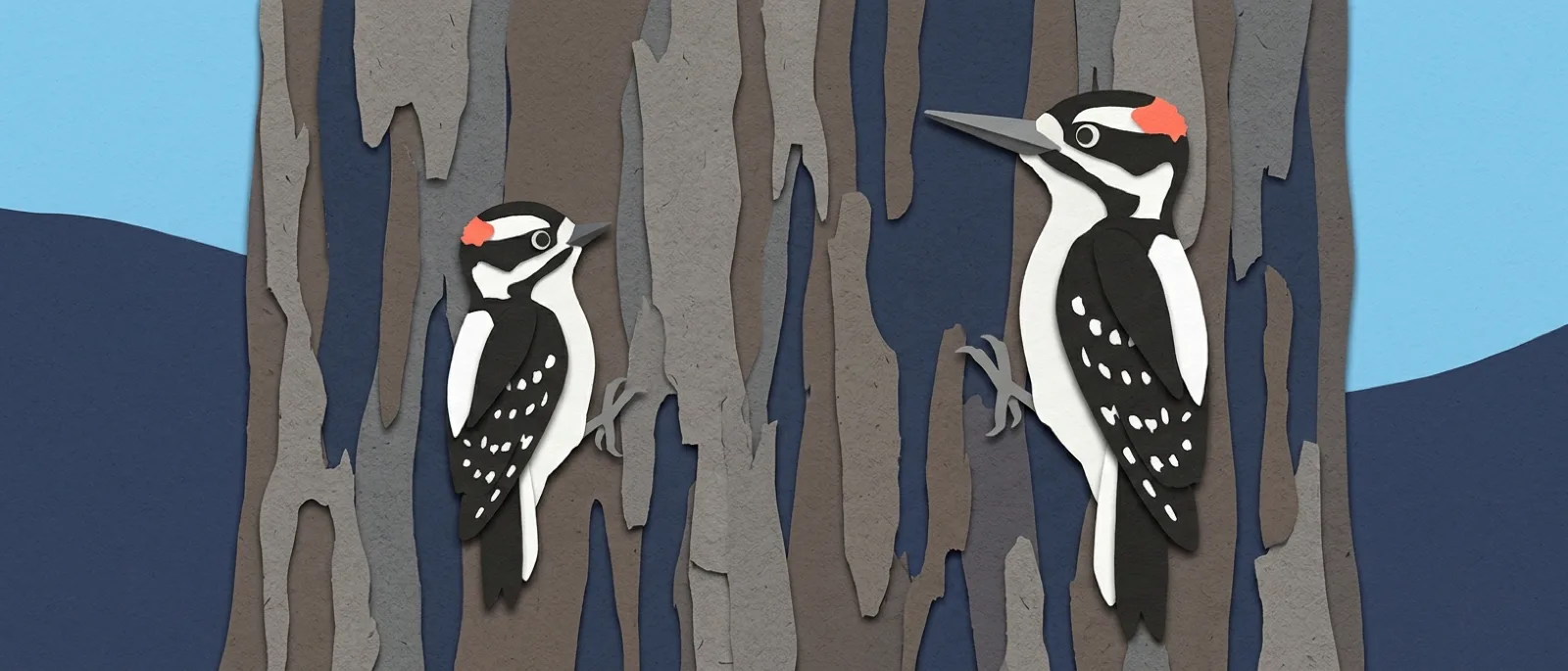
The two look nearly identical. Compare the bill to the head: short and stubby on the downy, nearly as long as the head on the hairy.
Birds
Warm blood heading down a duck's leg hands its heat to cold blood coming back up, so the feet stay close to freezing and lose very little body heat.
Birds
Woodpecker drumming takes the place of a song: fast, rolling bursts on dead limbs and metal gutters that claim a territory and signal a mate.
Birds
Crane Beach bars dogs from April to September and allows them in certain areas from October to March, when snowy owls may rest in the dunes.
Birds
In the cold months the shore can hold sanderlings and sea ducks. DCR keeps dogs off its coastal beaches through September 15, unless a sign says otherwise.
Birds
Snowy owls are occasionally seen in the dunes and marsh just beyond Lot 1 at Parker River refuge, whose beach overlook boardwalk is wheelchair accessible.
Birds
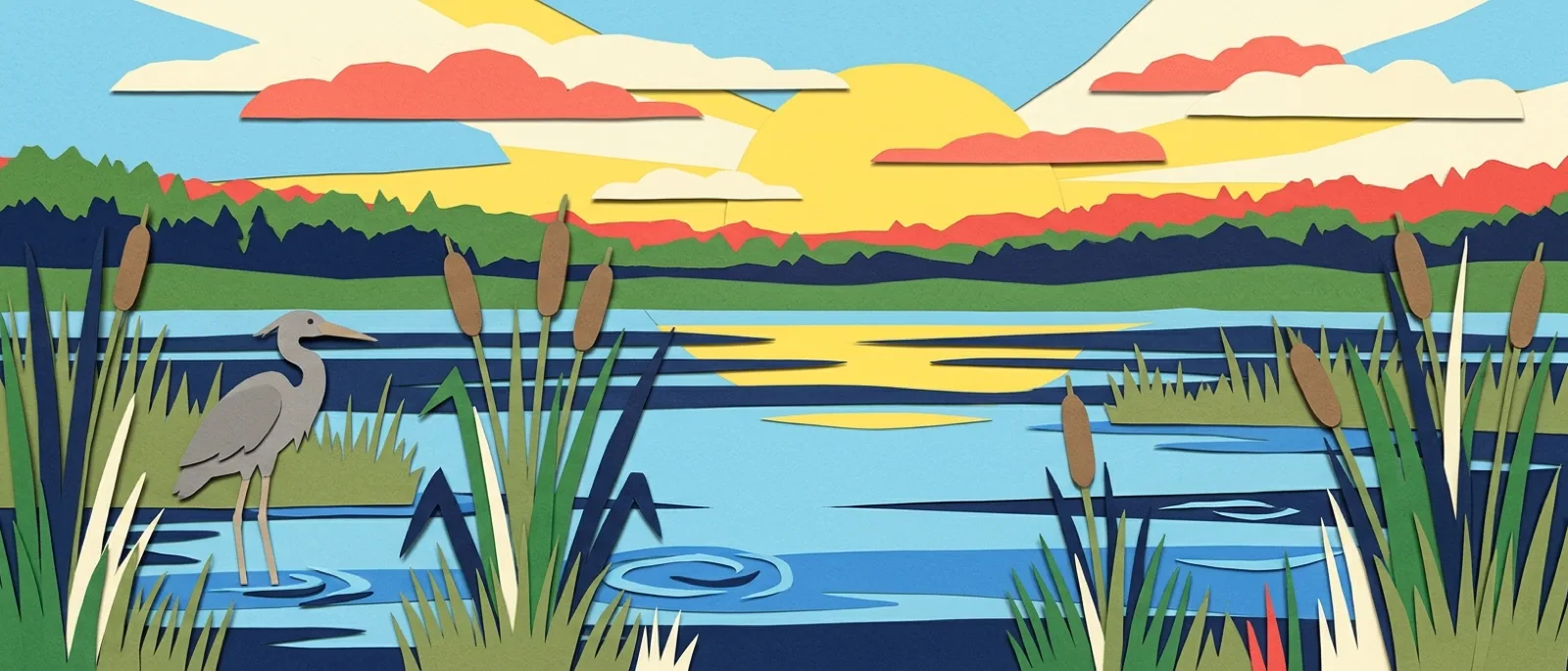
Male red-winged blackbirds claim marsh territories by mid-March, flashing red shoulders. Broadmoor's All Persons Trail has a boardwalk through the marsh.
Birds
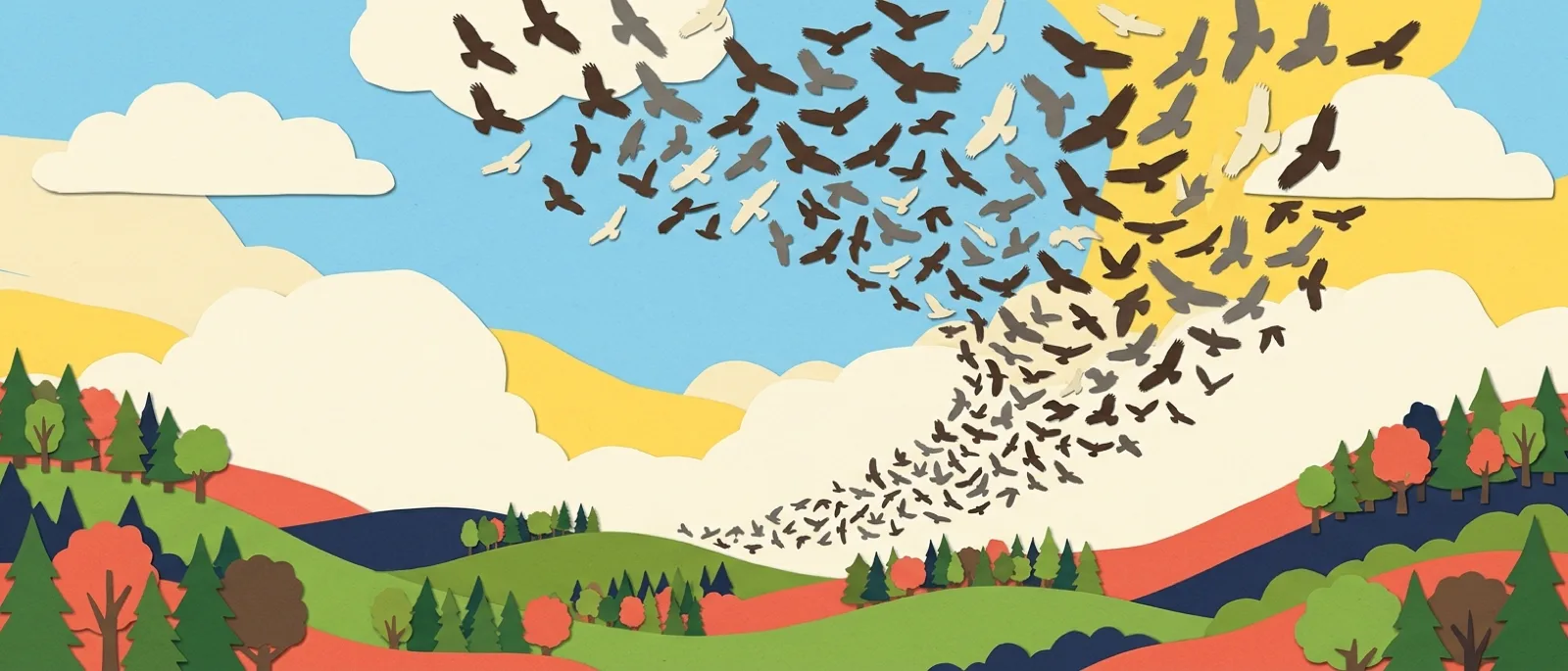
Red-shouldered hawks are especially noisy in March and April, and Mass Audubon says blue jays can mimic the call almost perfectly.
Birds
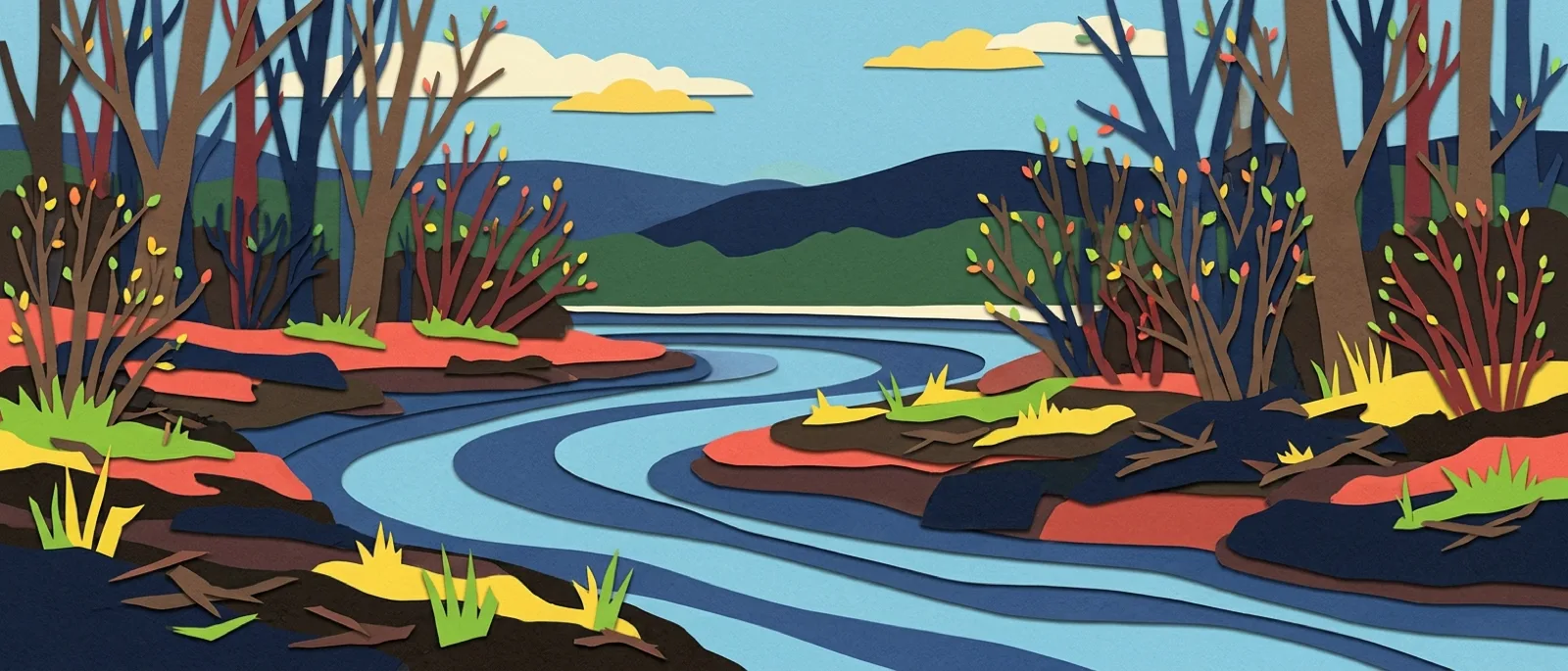
Mass Audubon credits the return of beavers for the spread of wood ducks, and the watershed group says a day on the rail trail may bring a sighting.
Birds
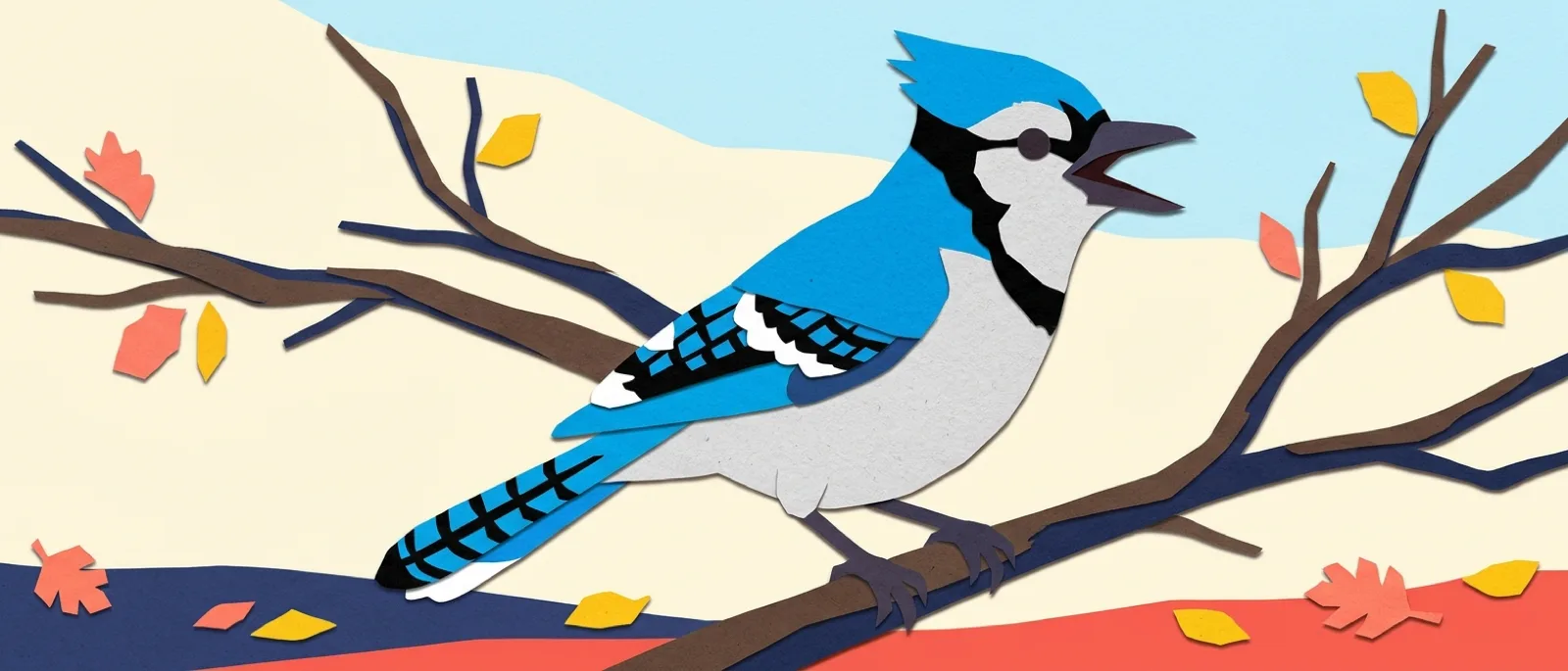
Blue Jays often copy the screams of Red-shouldered and Red-tailed Hawks, so a hawk call from a yard tree is worth a look before you name it.
Birds
The Barred Owl's hoot is a run of 8 to 9 notes that people hear as 'Who cooks for you?' Barred Owls live in Massachusetts year-round.
Birds
Purple Sandpipers are stocky, dark gray shorebirds that spend the winter on wave-washed rocks, jetties, and breakwaters.
Insects
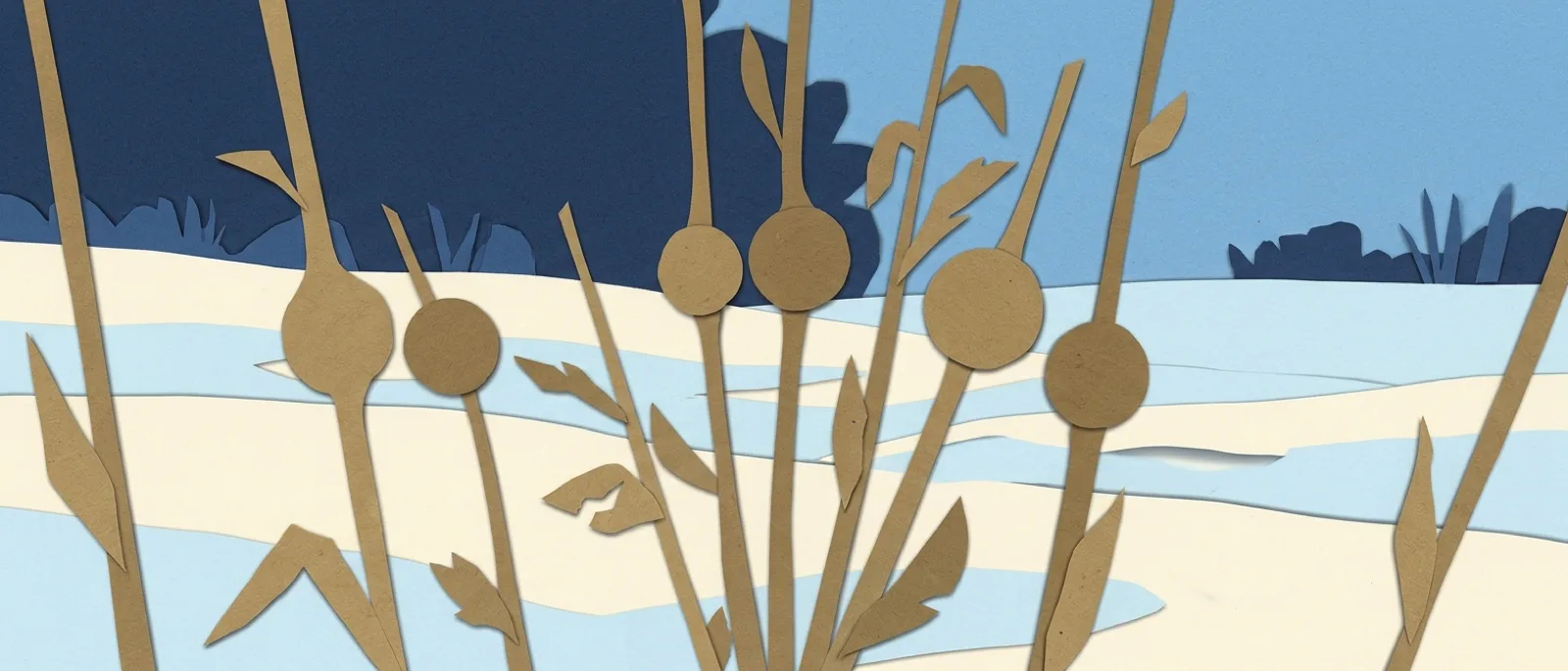
The round swellings on dry goldenrod stems, marble to golf ball size, are each a fly larva's winter room, built by the plant on the larva's instructions.
Insects
On a thawing late-winter day, snow around tree trunks can look dusted with pepper, and the pepper hops. They are springtails, a tenth of an inch long.
Insects
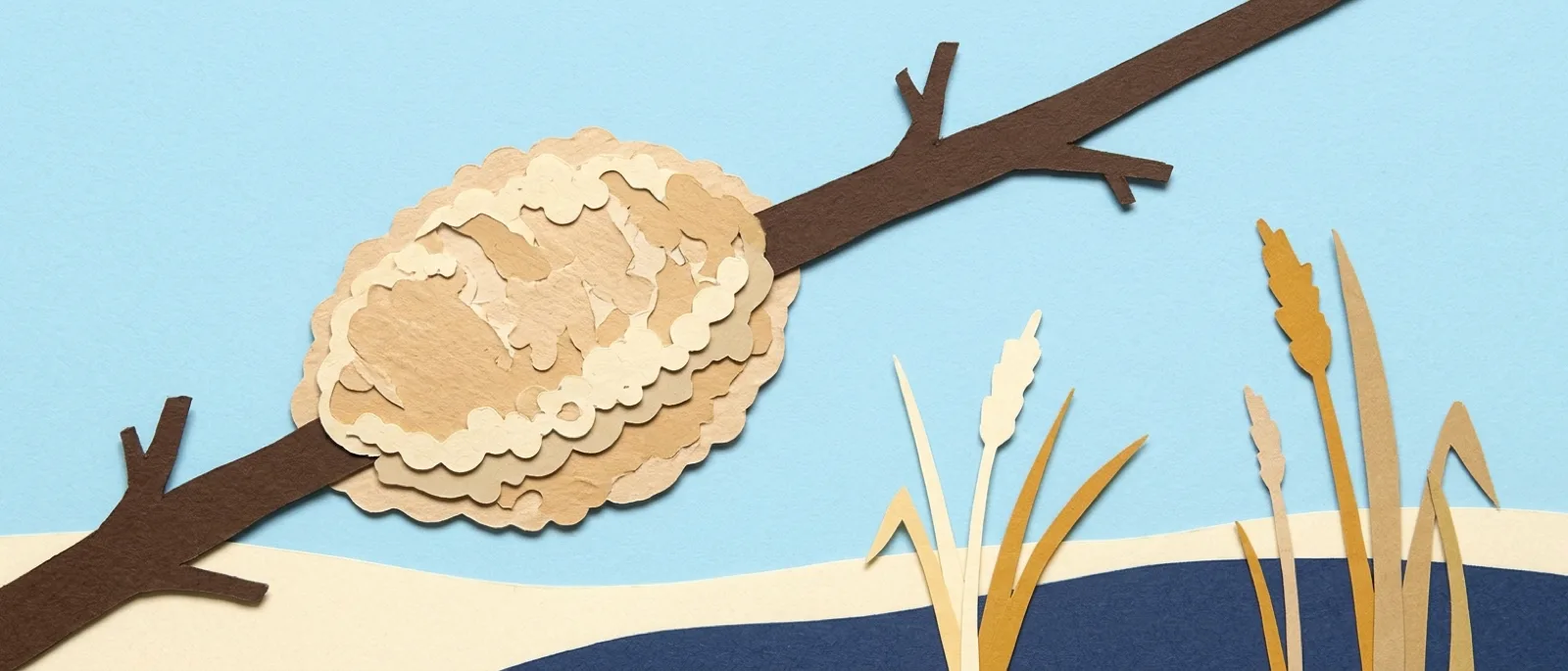
A mantis lays one hard foam case in autumn and dies. The case sits out all winter on a twig or fence post, with dozens to hundreds of eggs inside.
Insects
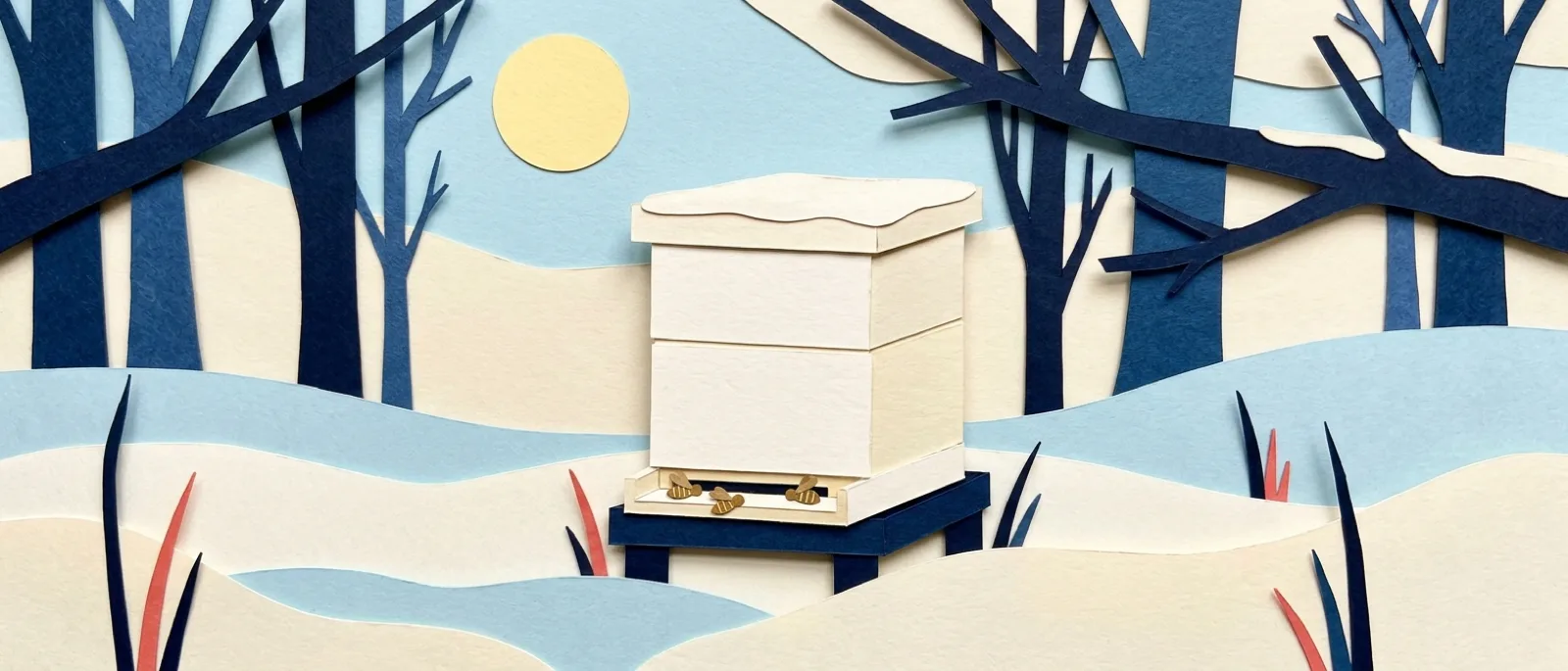
A honey bee colony stays awake all winter, packed into a ball in the hive and vibrating flight muscles for heat, burning stored honey until spring.
Insects
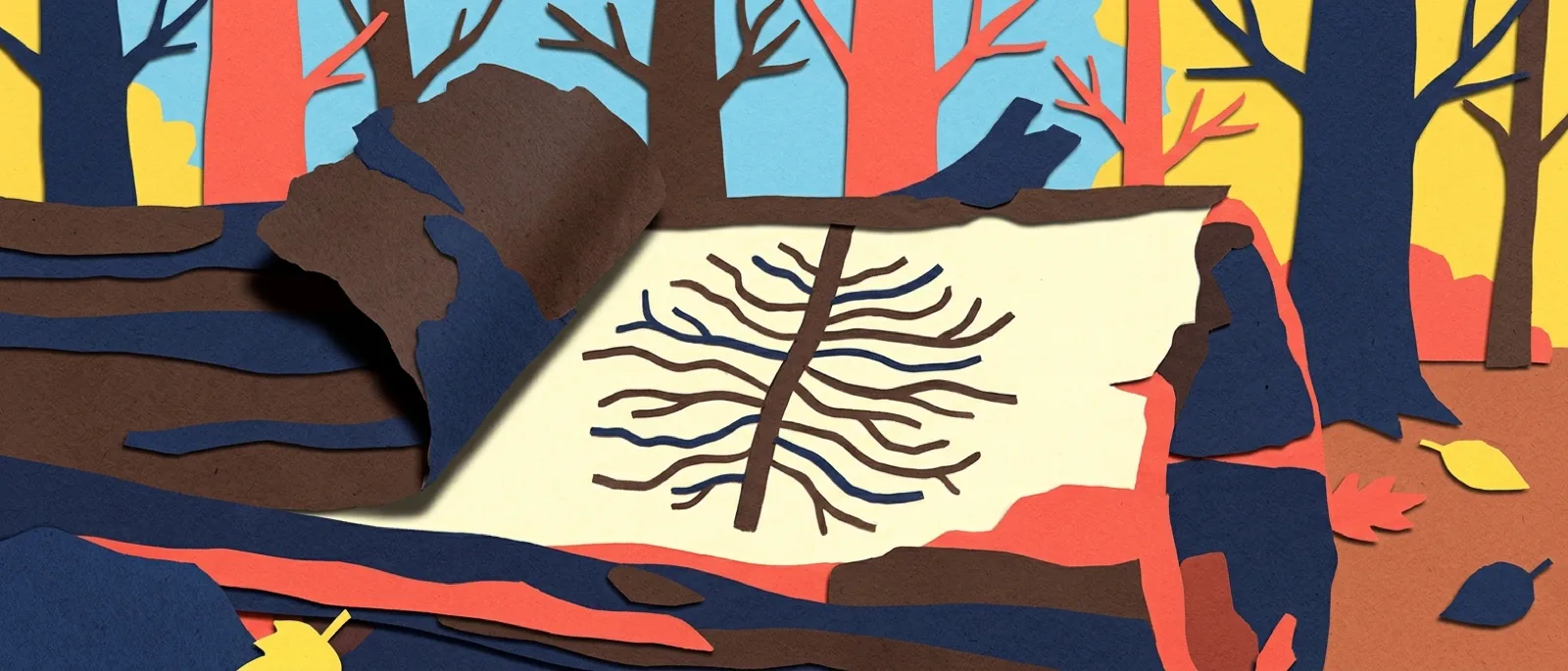
Under loose bark on a dead log, a branching pattern in the wood marks a female beetle's egg gallery, with each side tunnel cut by one feeding larva.
Insects
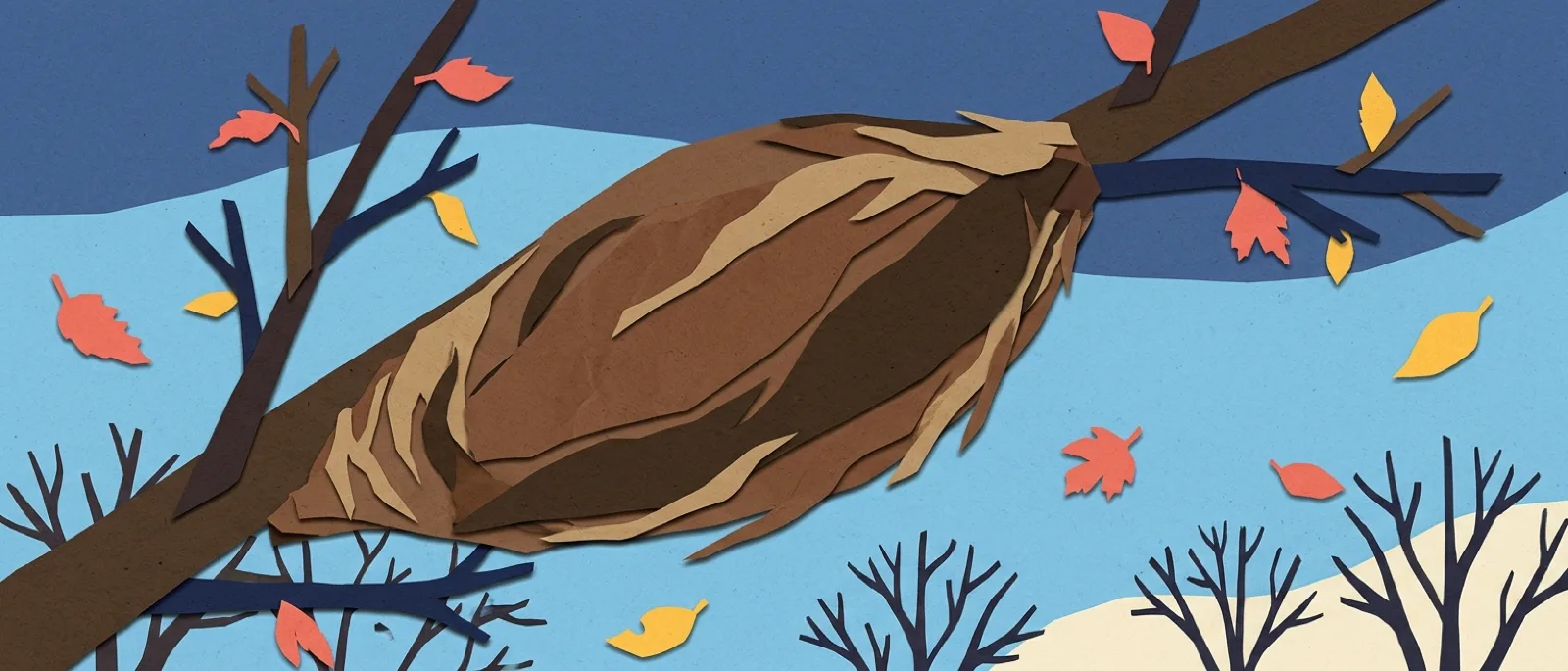
After leaf fall, cecropia cocoons cling to shrub twigs and promethea cocoons hang inside a curled leaf held by silk.
Insects
A dark, shiny collar wrapped around a cherry, apple or crabapple twig is a tent caterpillar egg mass, waiting out the winter.
Insects
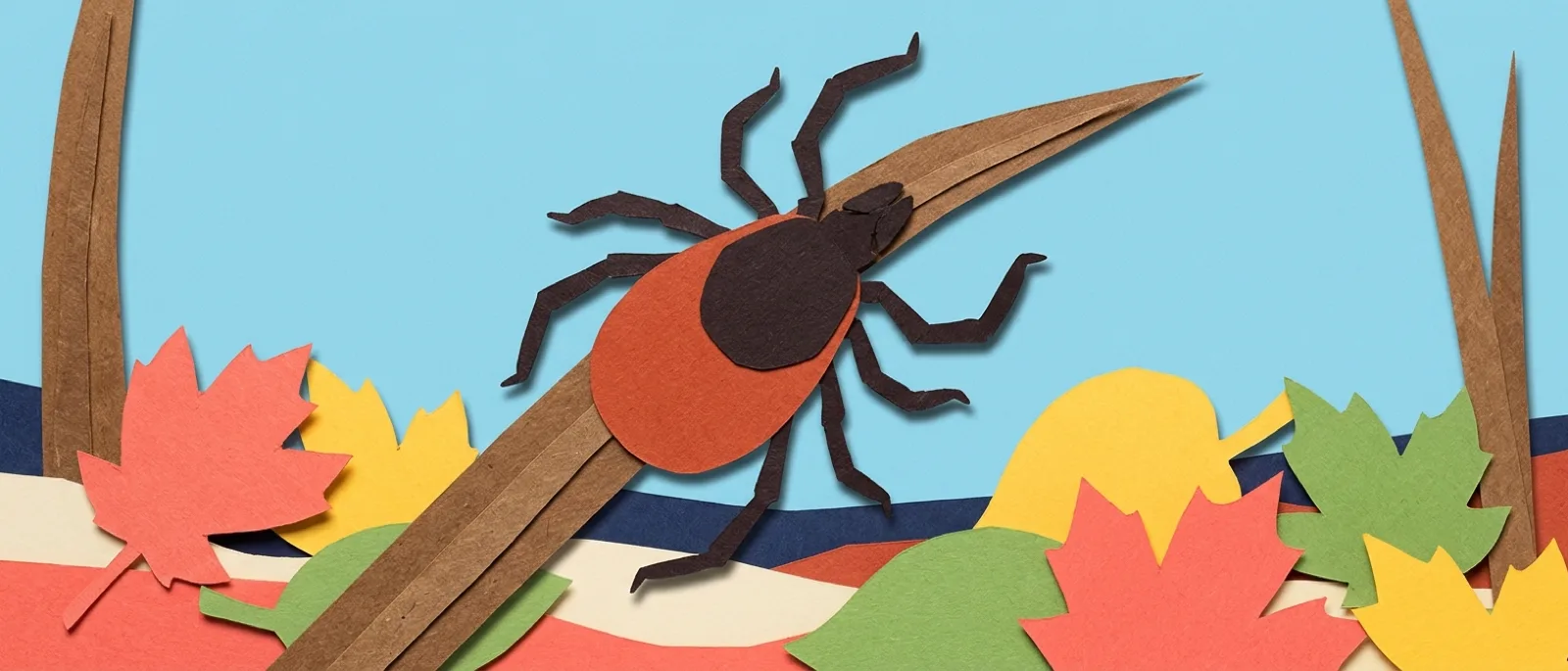
Adult deer ticks are not killed by freezing weather and look for a host on days above freezing when the ground is thawed and free of snow.
Insects
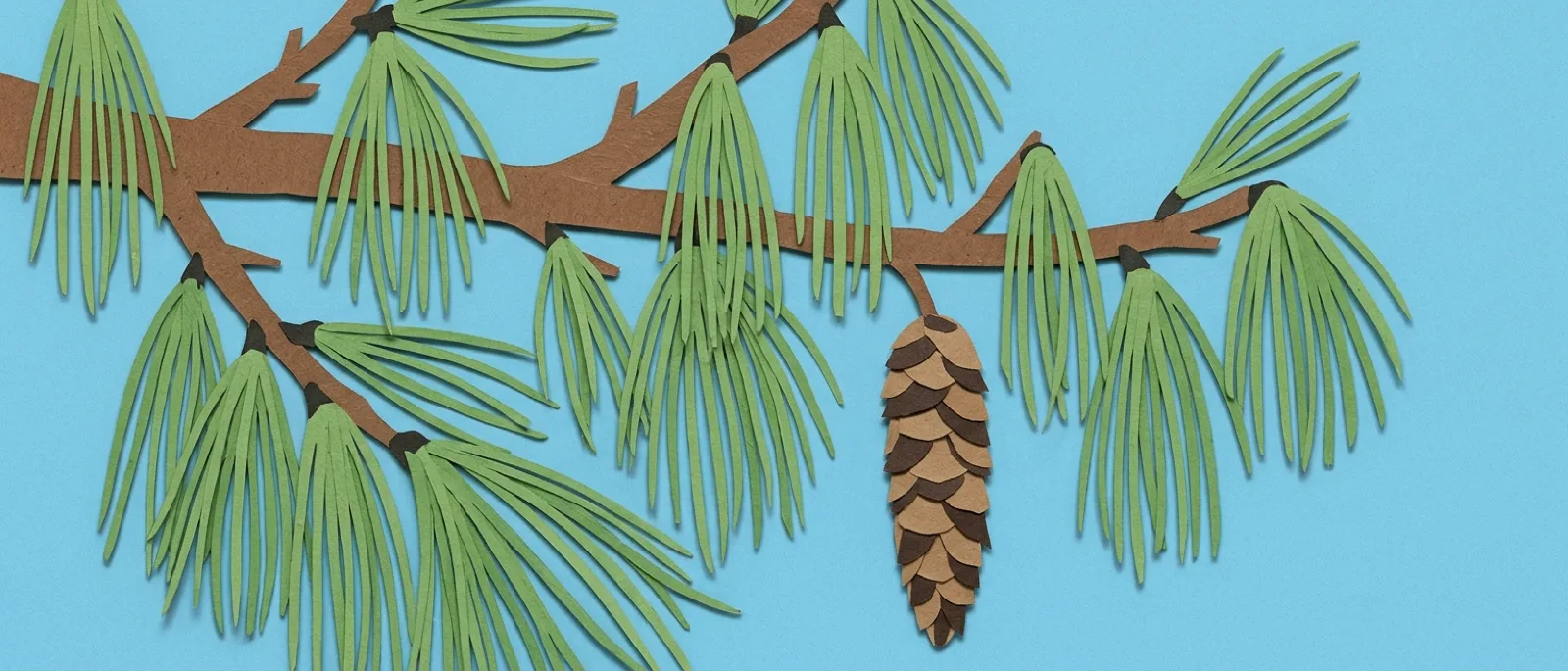
Tiny white cottony tufts under hemlock twigs are an invasive sap-feeding insect. They start small in late fall and fill out by spring.
Insects
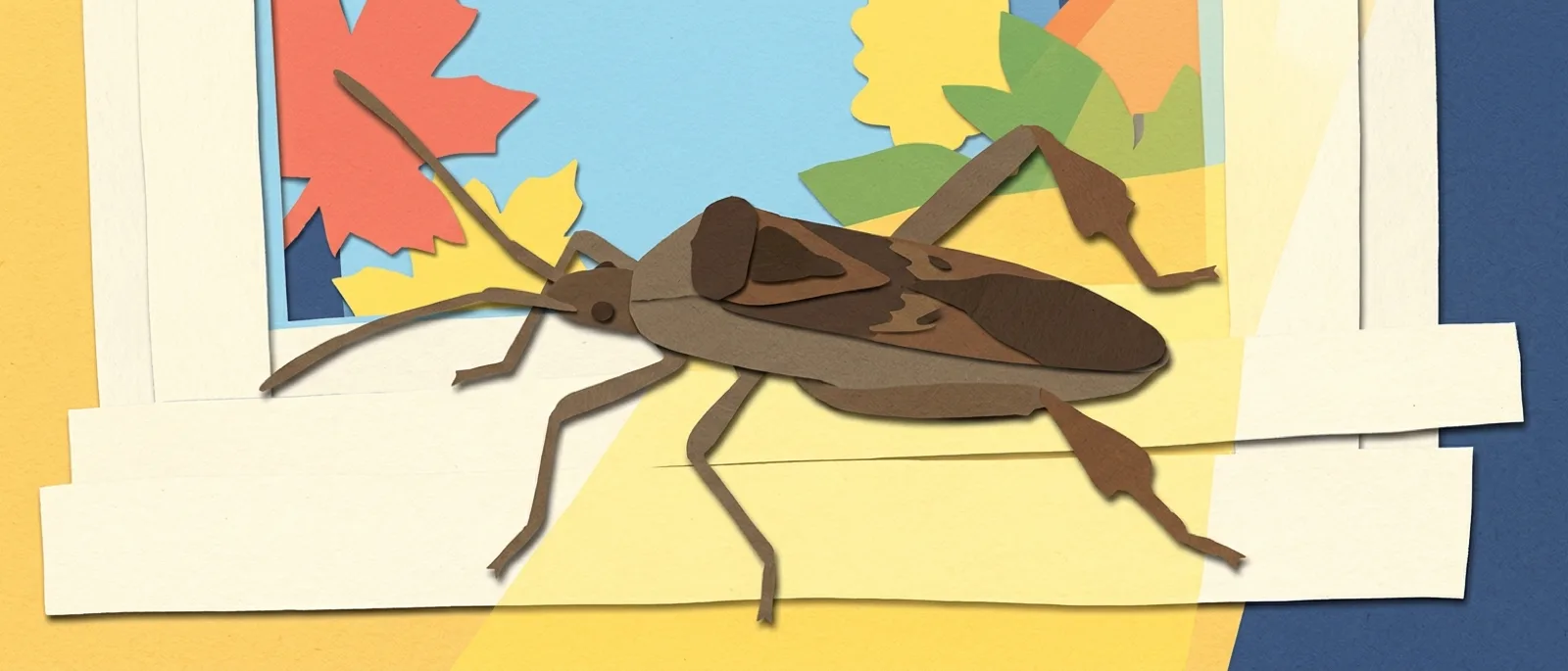
A large, harmless brown bug that seeks shelter on sunny walls and indoors in fall. Look for a flat, leaf-shaped flare on each hind leg.
Insects
Adult winter stoneflies are dark insects that climb out of clean, rocky streams in the cold months and crawl across snowy banks.
Insects
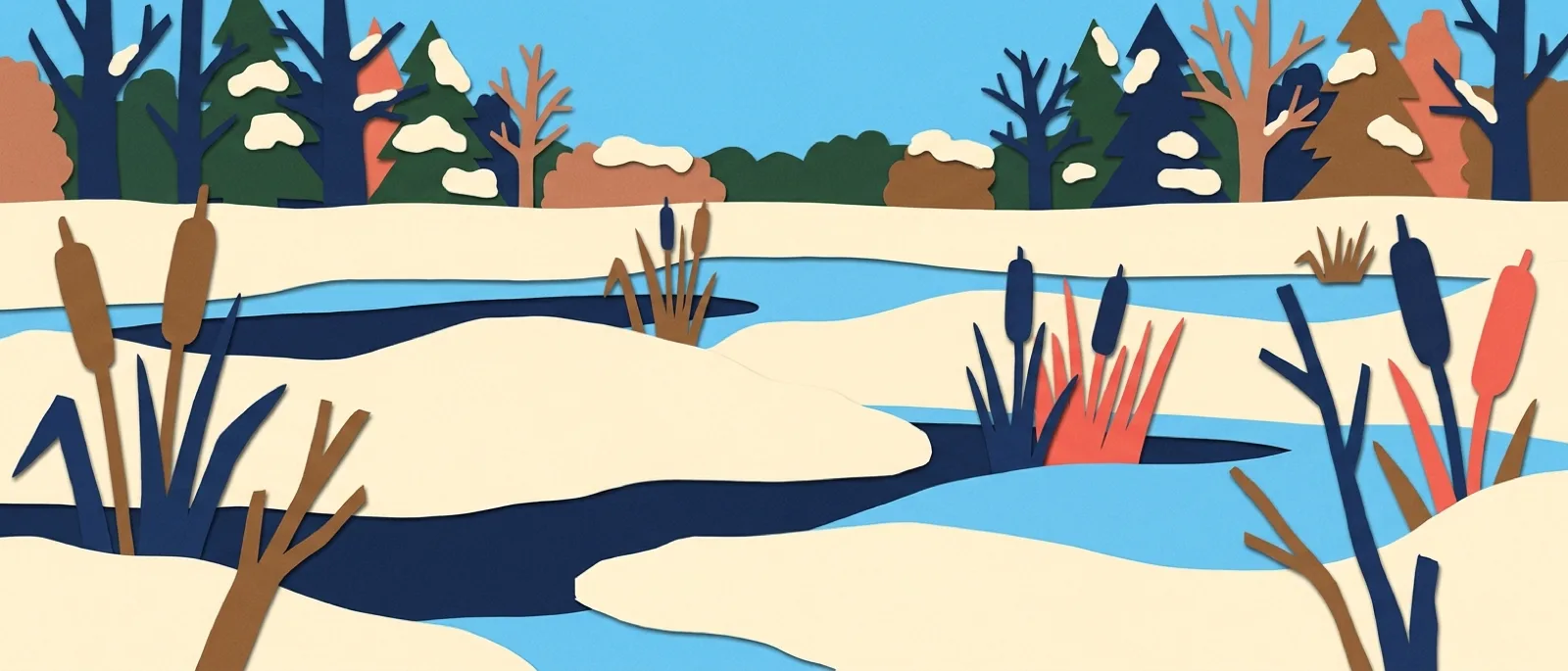
The small brown pinecones at the tips of bare willow twigs are galls made by a tiny midge, whose larva spends the winter inside.
Insects
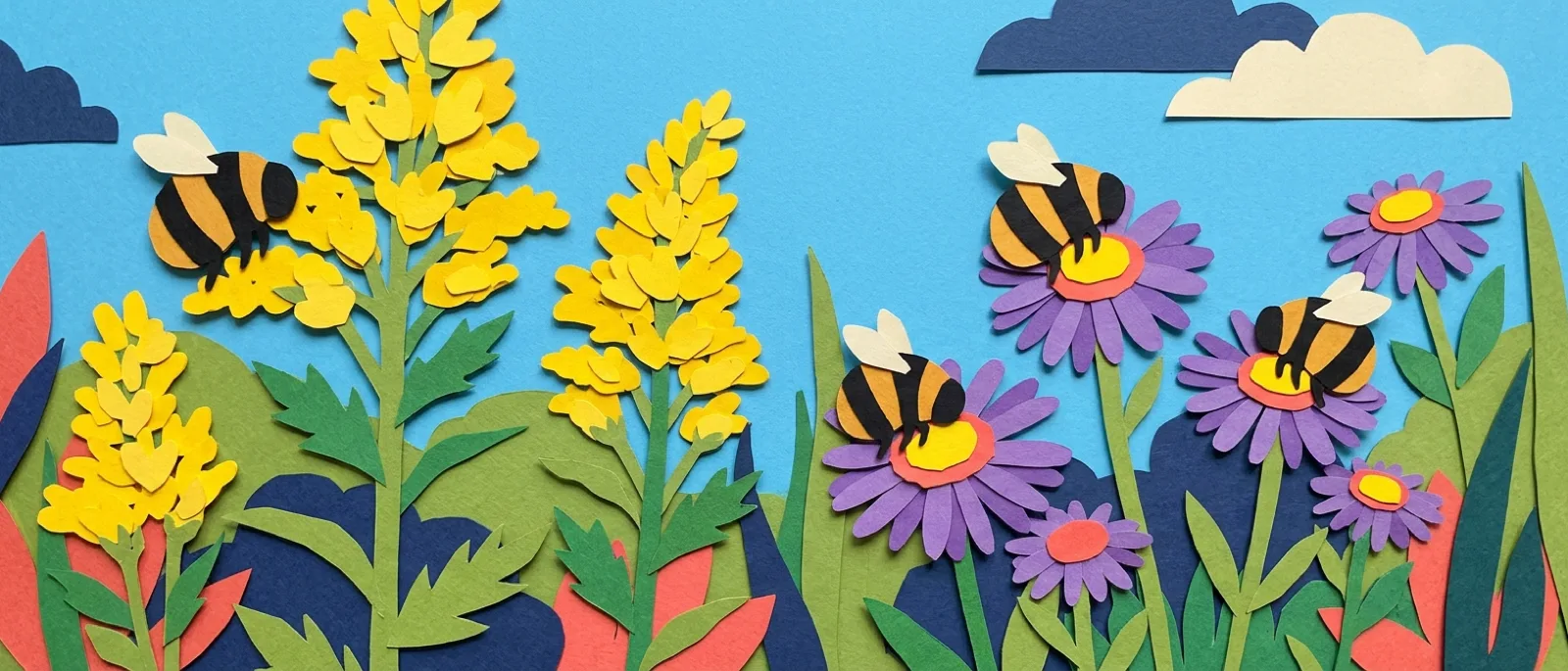
After the first hard frost the only bumblebees alive are young mated queens, dormant under leaf litter or loose soil until spring.
Insects
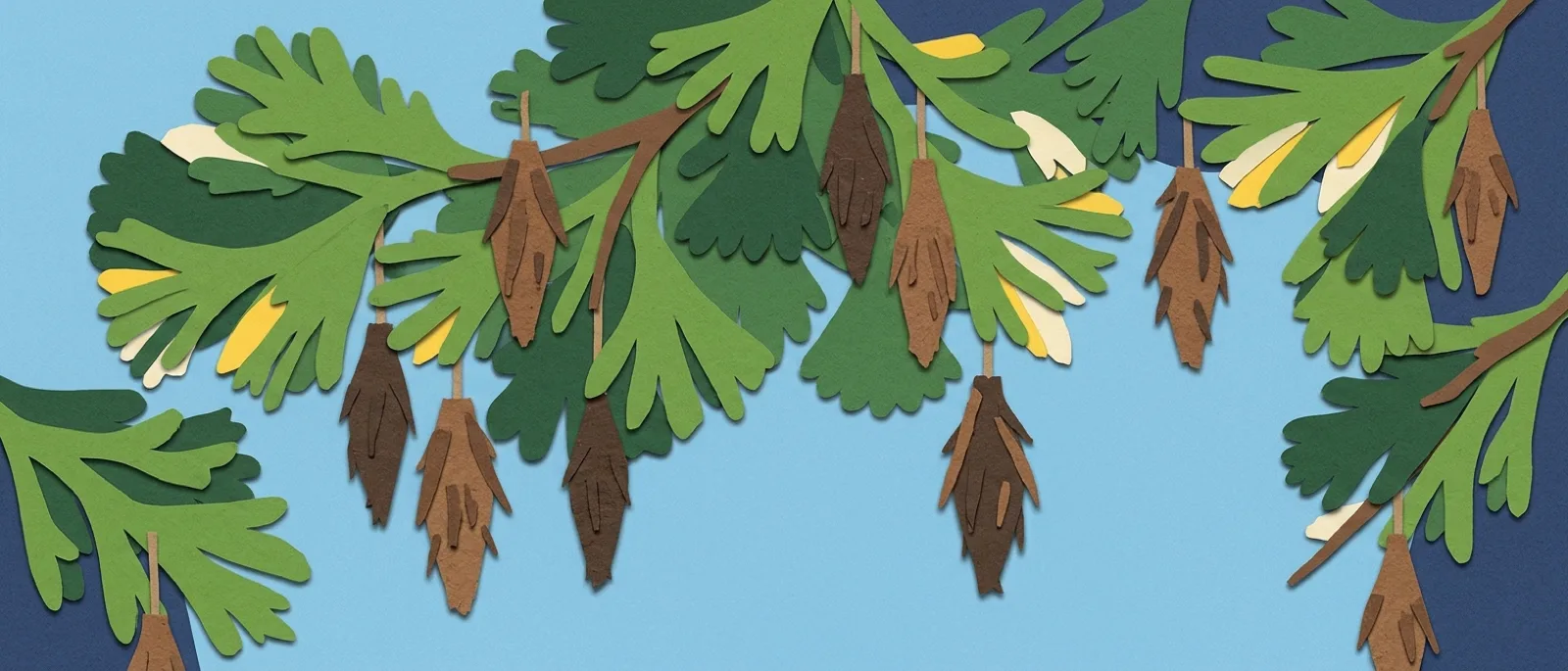
The small hanging bags on evergreens through the cold months are bagworm cases, and each one that held a female holds the next generation's eggs.
Insects
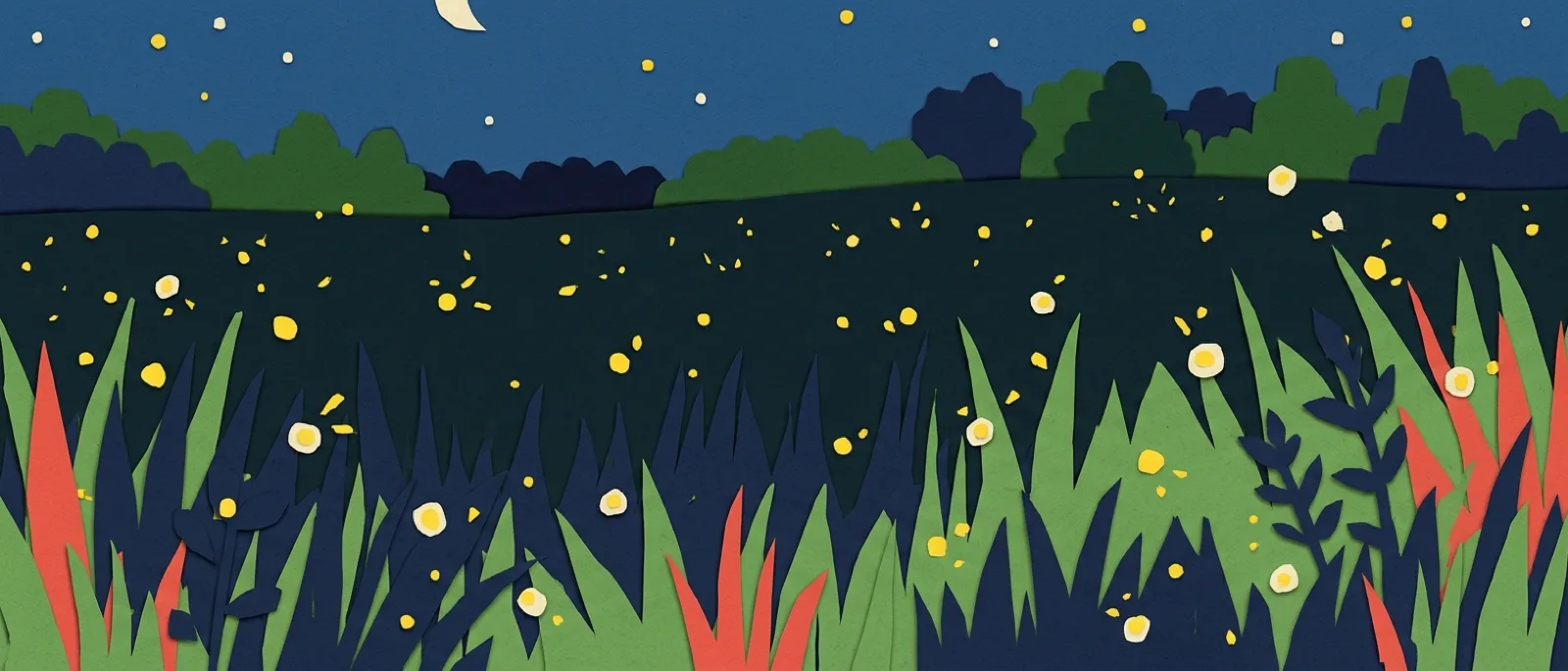
The winter firefly does not flash as an adult. It spends the winter as a grown beetle in bark grooves and cracks, with two curved orange marks.
Plants
Skunk cabbage flowers in wet Massachusetts ground can run 15 to 35 degrees warmer than the air around them, sometimes melting the snow and ice nearby.
Plants
With the leaves down, bark tells trees apart: shagbark hickory peels in long strips, black cherry breaks into dark curling plates, red oak runs in ridges.
Plants
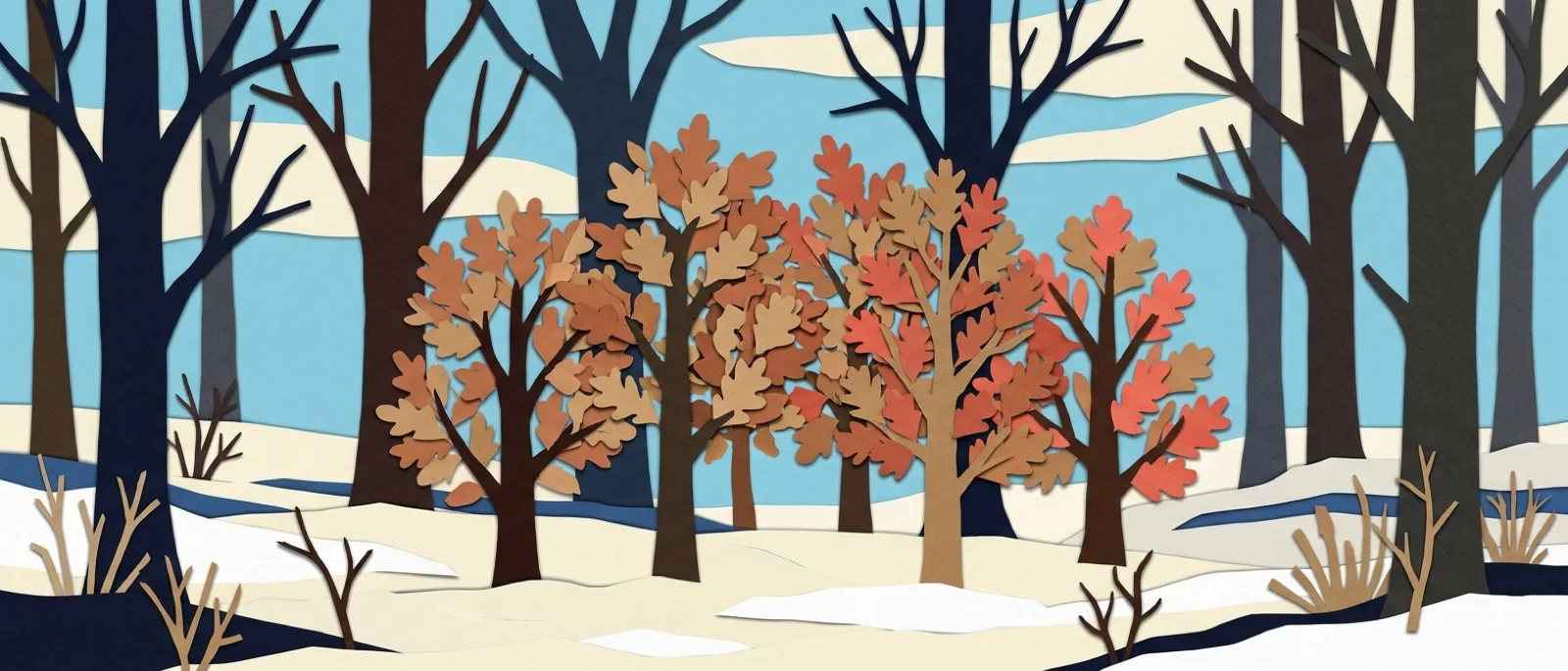
American beech and several oaks carry some dead leaves into winter, a habit called marcescence, mostly on young trees and the low branches of tall ones.
Plants
An eastern hemlock grove is so dense that far less snow reaches the ground and the light dims as you step in, which is why deer gather there in winter.
Plants
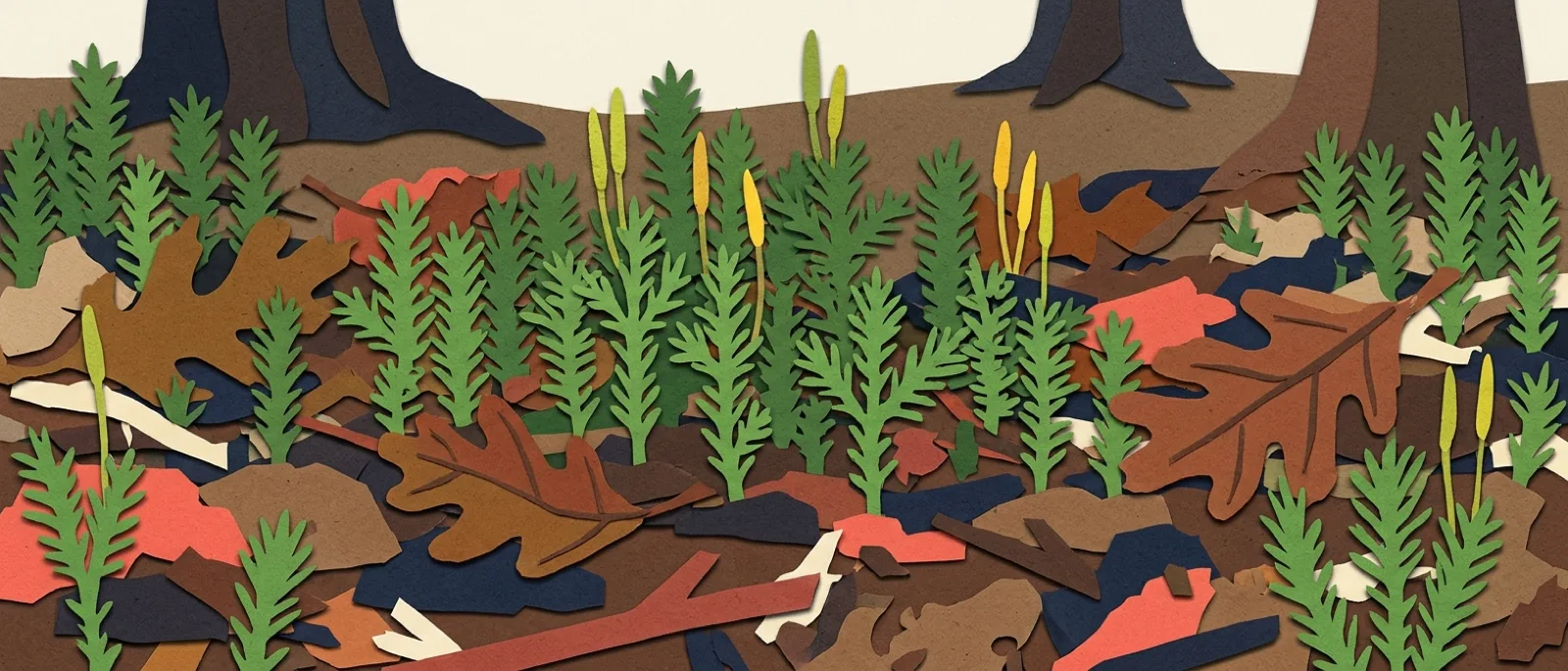
After leaf fall, patches of evergreen clubmoss stand out on brown leaf litter in eastern Massachusetts woods, spore-bearing plants related to ferns.
Plants
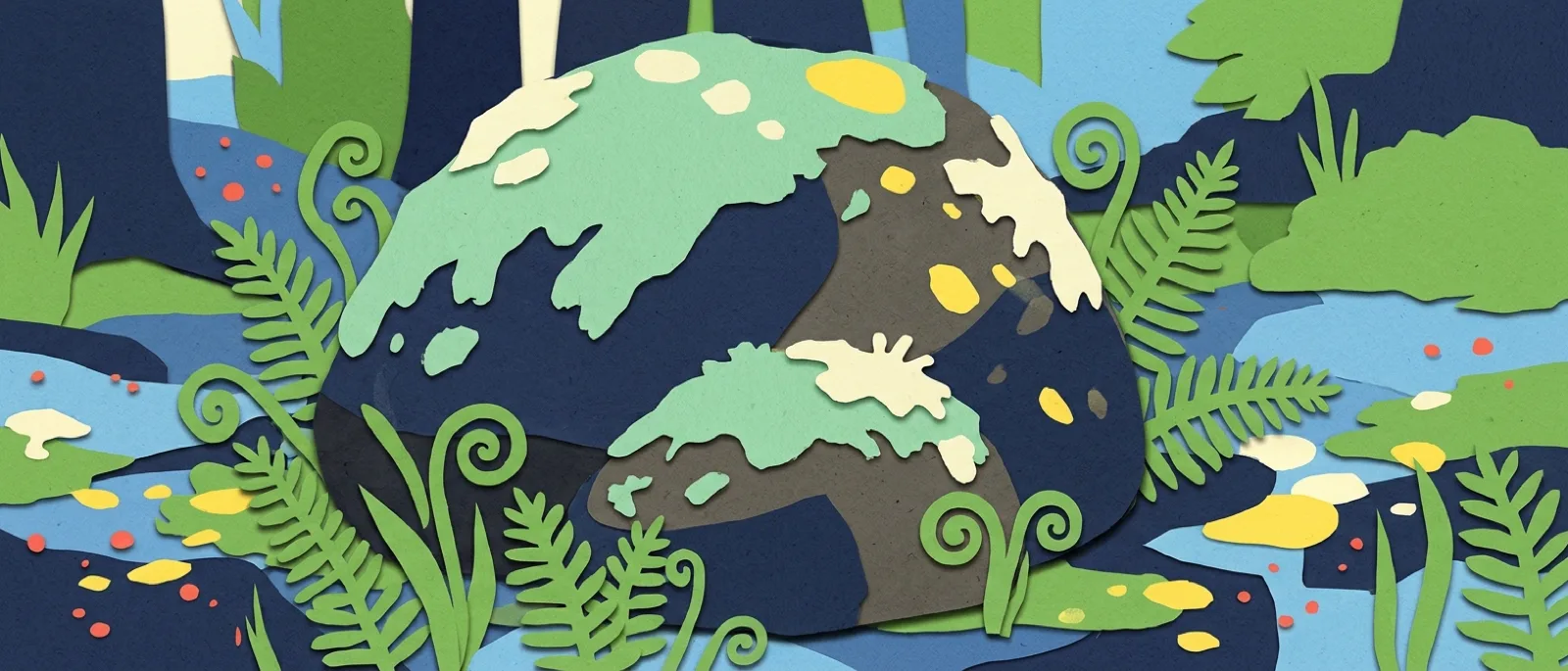
Christmas fern keeps its dark green fronds through winter, and each leaflet has a small ear at its base that gives it a stocking shape.
Plants
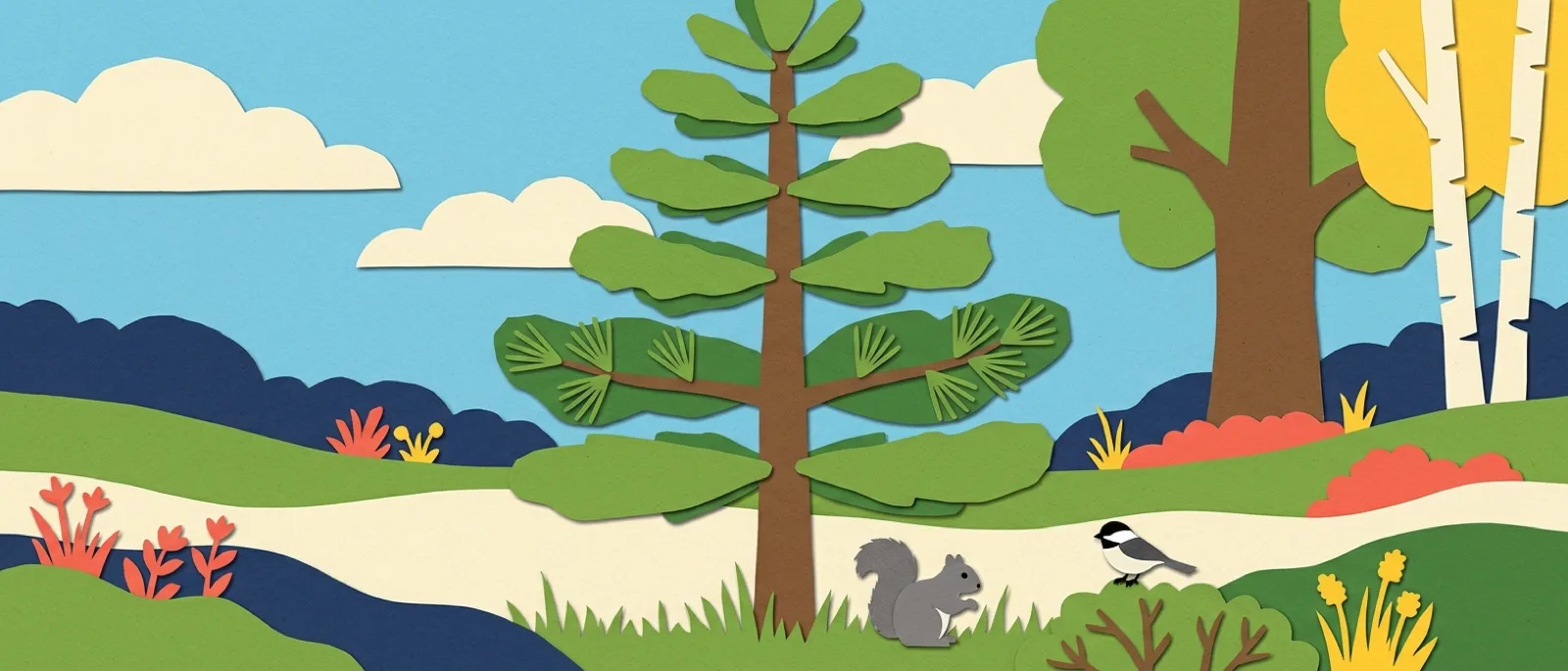
A young white pine grows one ring of branches, a whorl, for each year of upward growth, so counting the rings estimates its age.
Plants
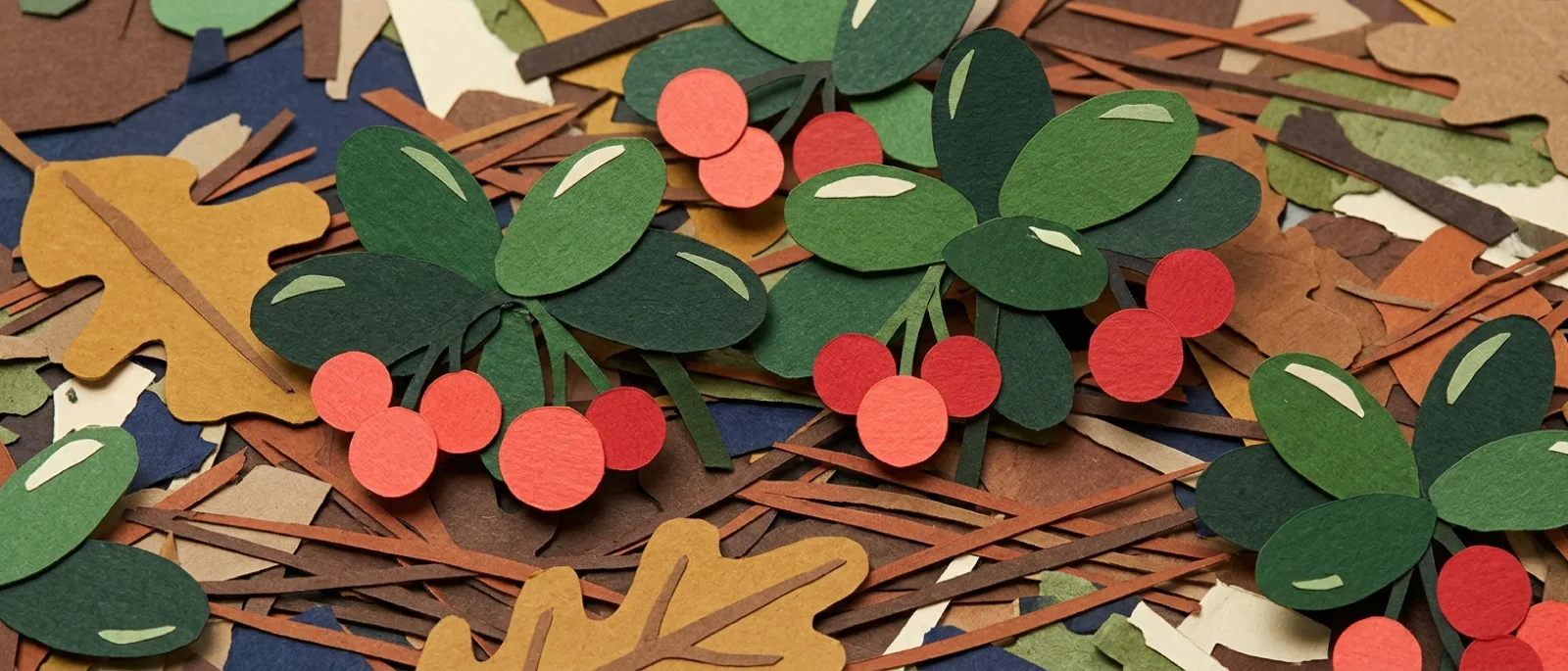
A low evergreen of oak and pine woods that can hold red berries through the cold months, with leaves that smell of wintergreen.
Plants
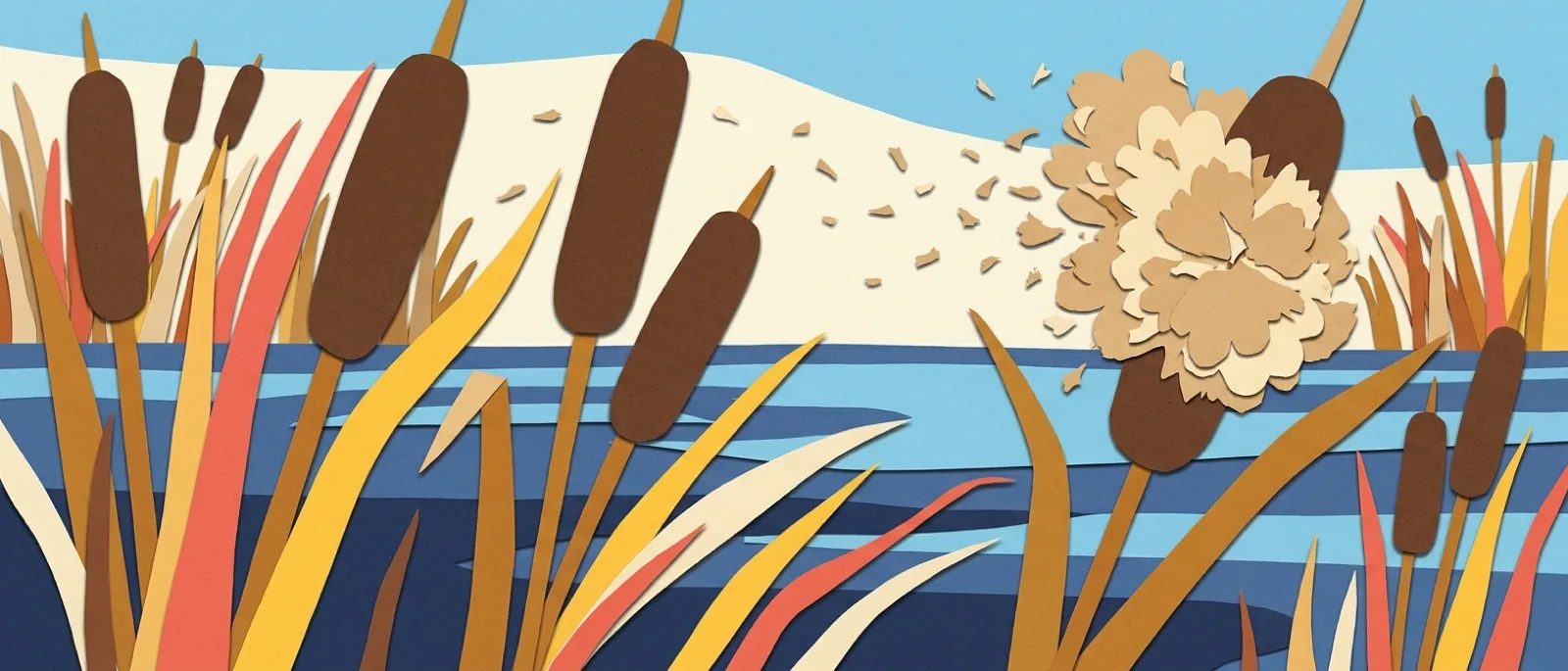
A brown cattail head can hold more than two hundred thousand seeds, and it comes apart into cottony fluff that carries them on the wind.
Plants
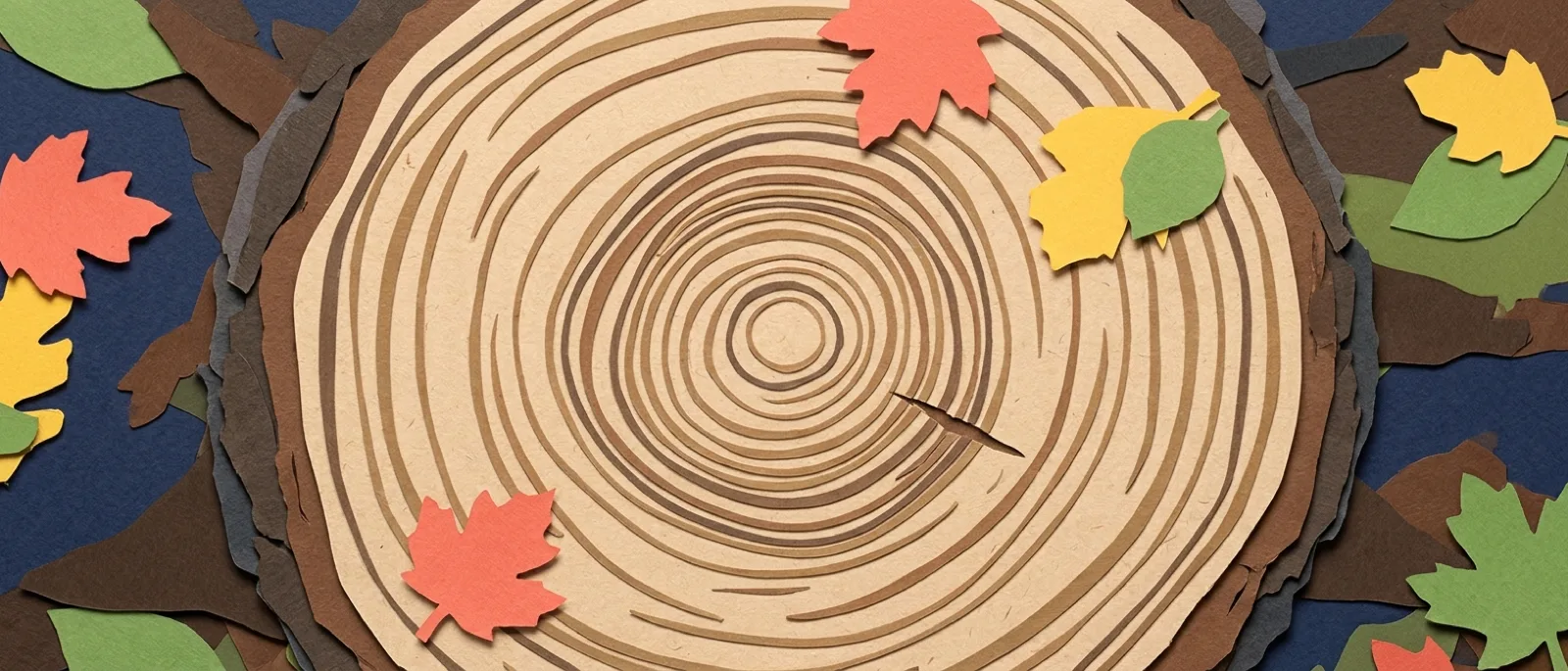
A light spring band and a dark late band make one ring. Wide rings often mean good years; narrow ones can mean drought or crowding.
Plants
When moss dries out, the leaves of many kinds curl or press flat against the stem. Add water and they spread open again.
Plants
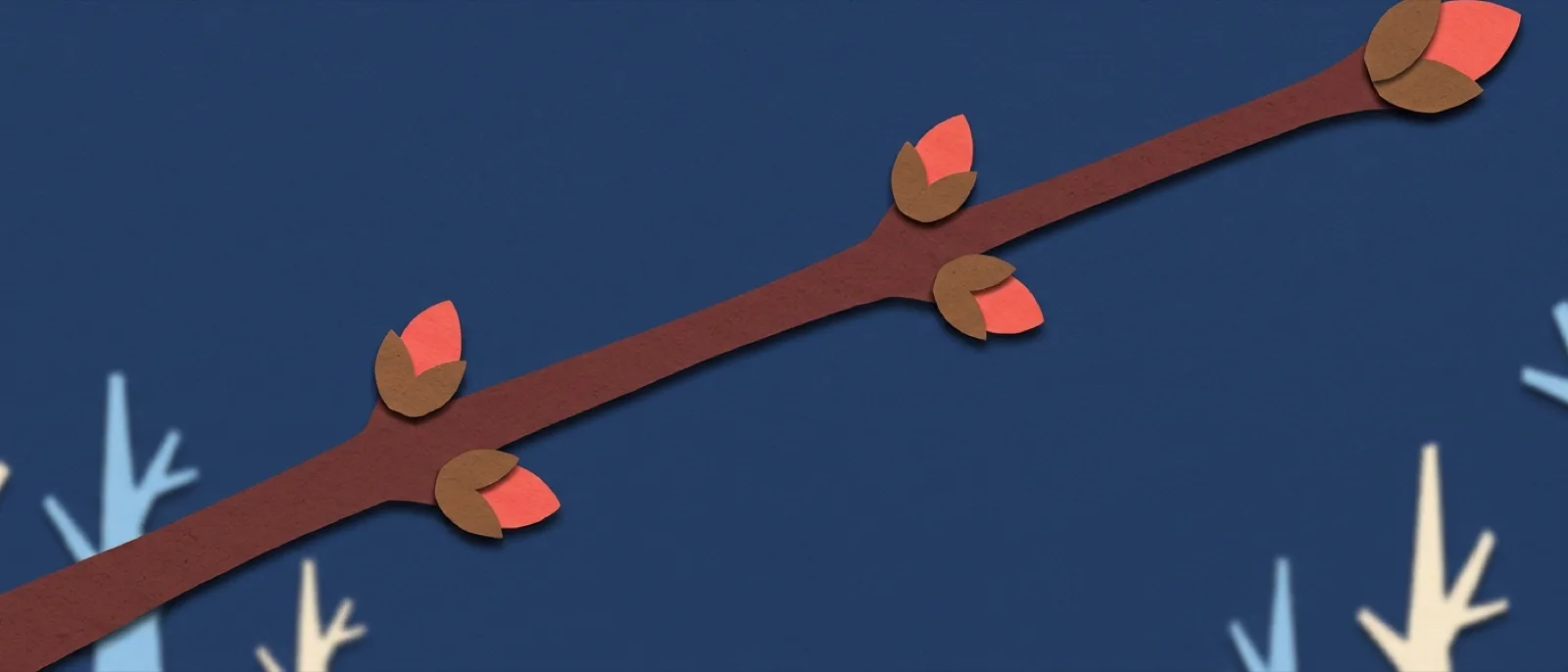
Buds in pairs on a bare twig very likely mean a maple, ash, dogwood or horsechestnut, or a shrub like a viburnum.
Plants
On a hard-freezing morning some big-leaved rhododendrons roll their leaves inward and hang them down, then unroll as it warms.
Plants
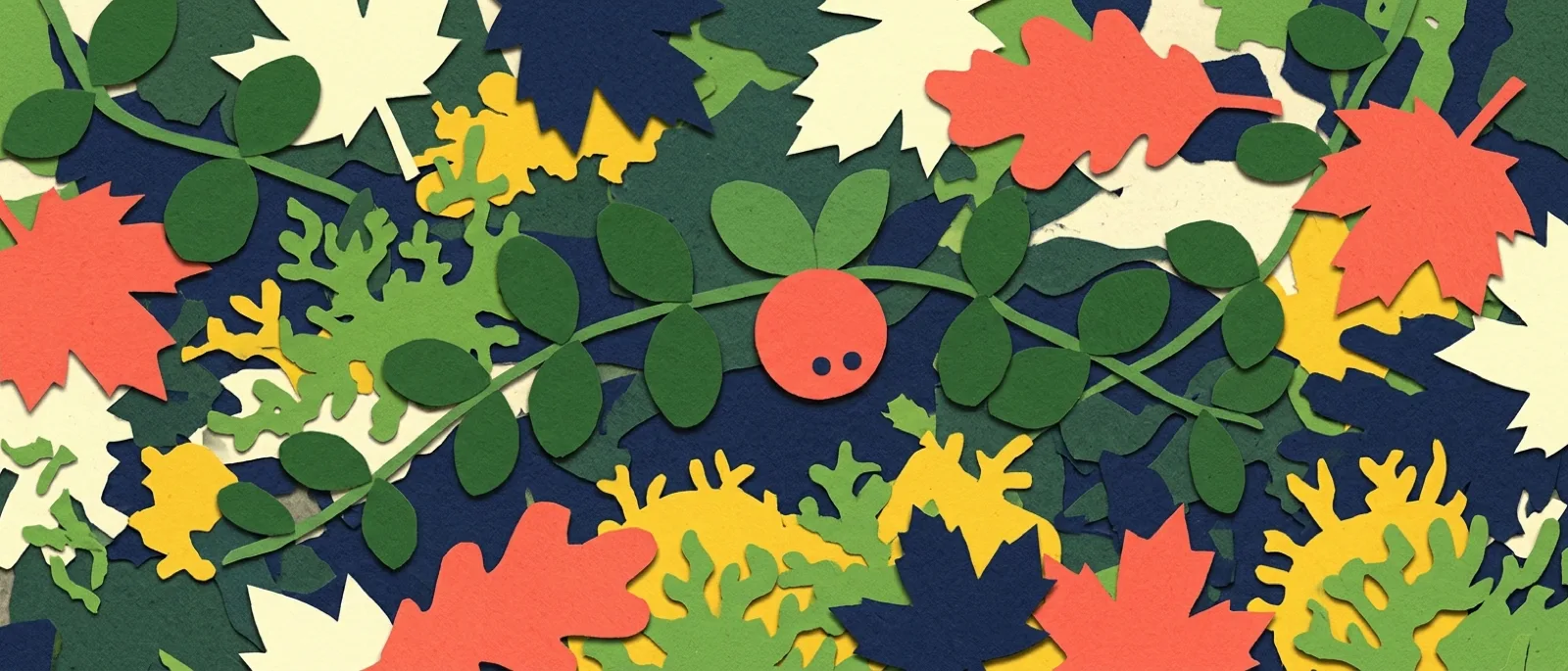
A small evergreen of the forest floor whose red berry grows from two fused flowers and carries two small round scars.
Plants
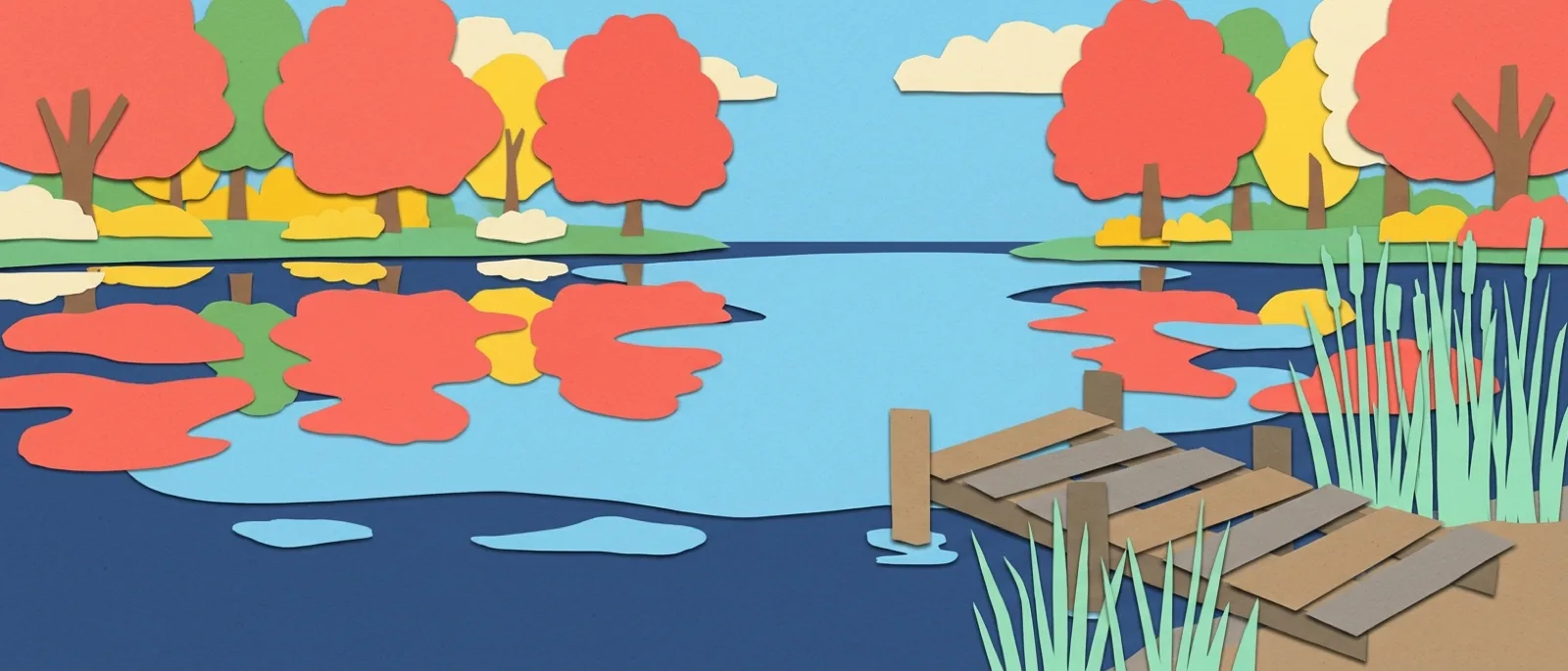
Bare red to purple dogwood stems stand out in thickets along ponds, streams and wet meadows once the leaves drop.
Plants
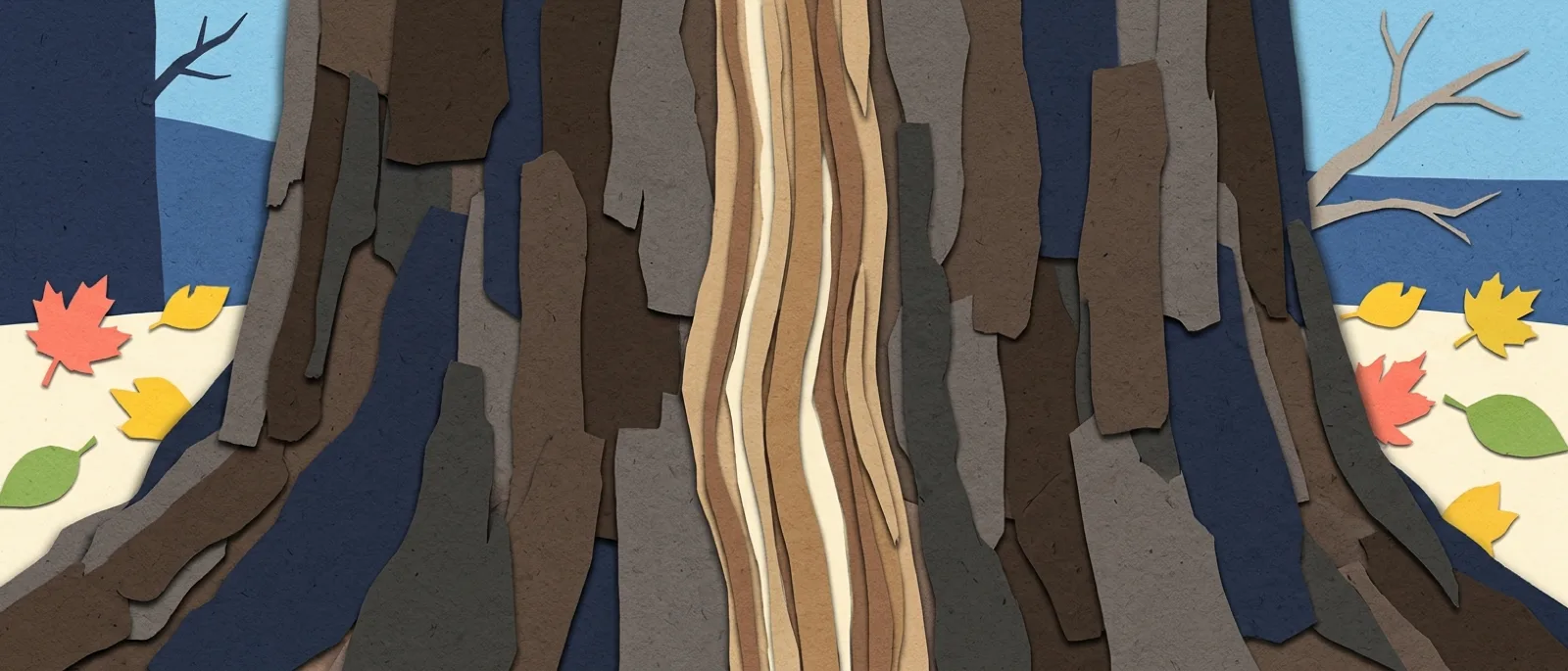
A long vertical seam or raised ridge on a trunk marks where bark split in a past cold snap and the tree grew new tissue over it.
Plants
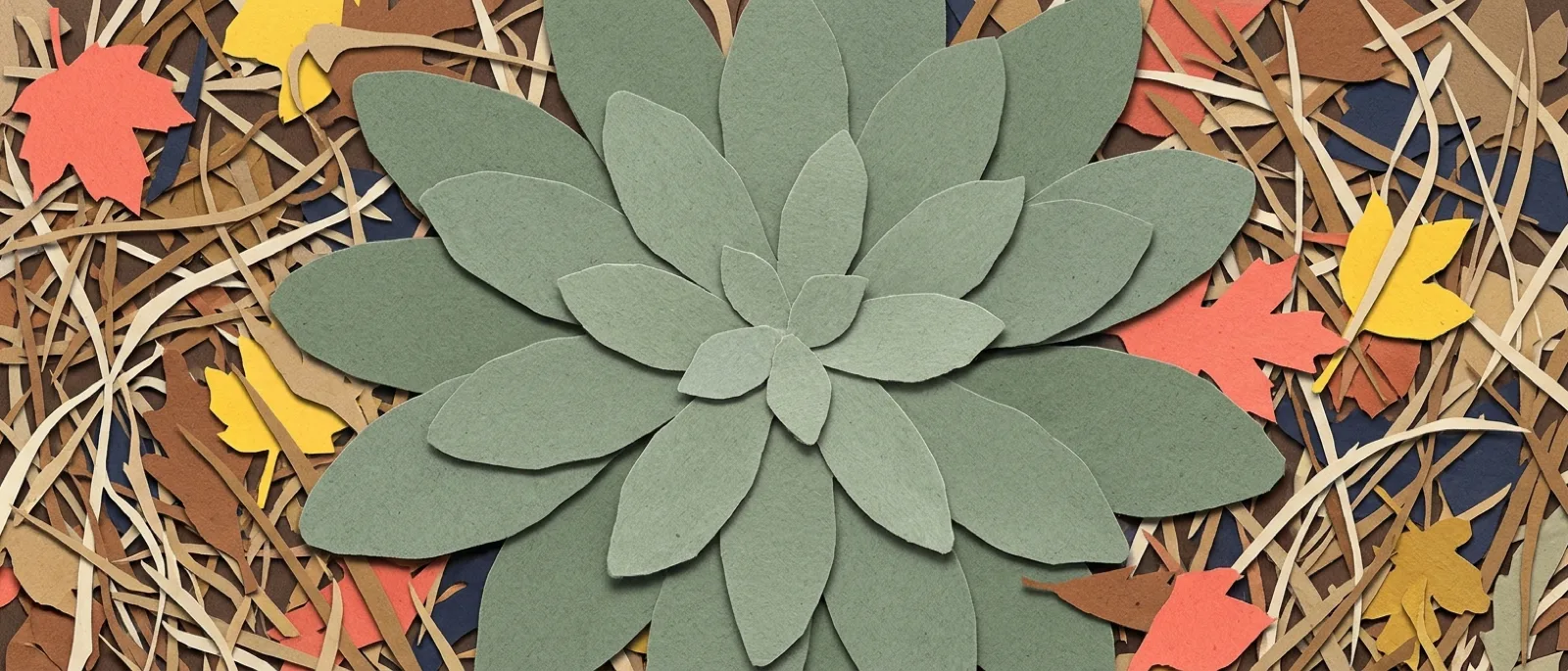
Queen Anne's lace, common mullein, bull thistle, and shepherd's purse spend the cold months as flat green circles of leaves on the ground.
Plants
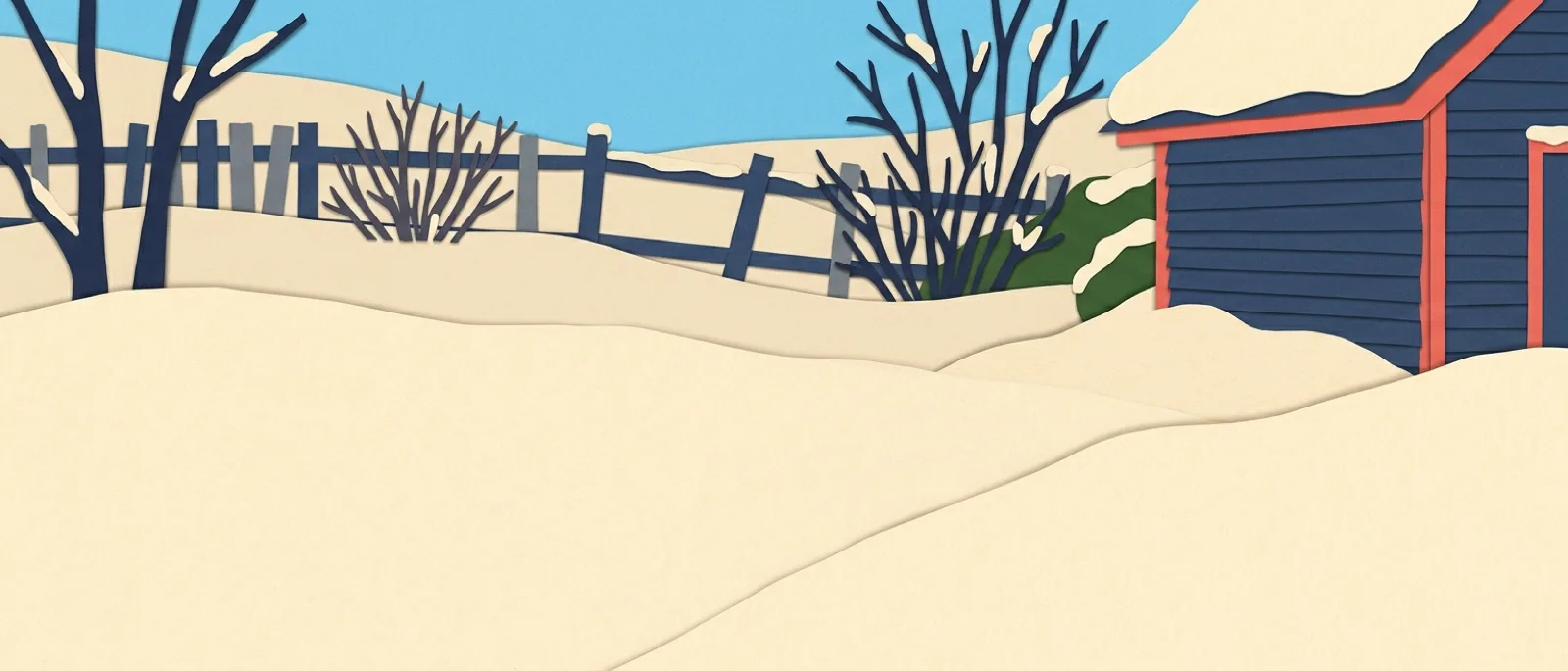
Knobby woody lumps on bare oak twigs are galls grown around tiny gall wasp larvae, and empty ones stay on the branch for years.
Plants
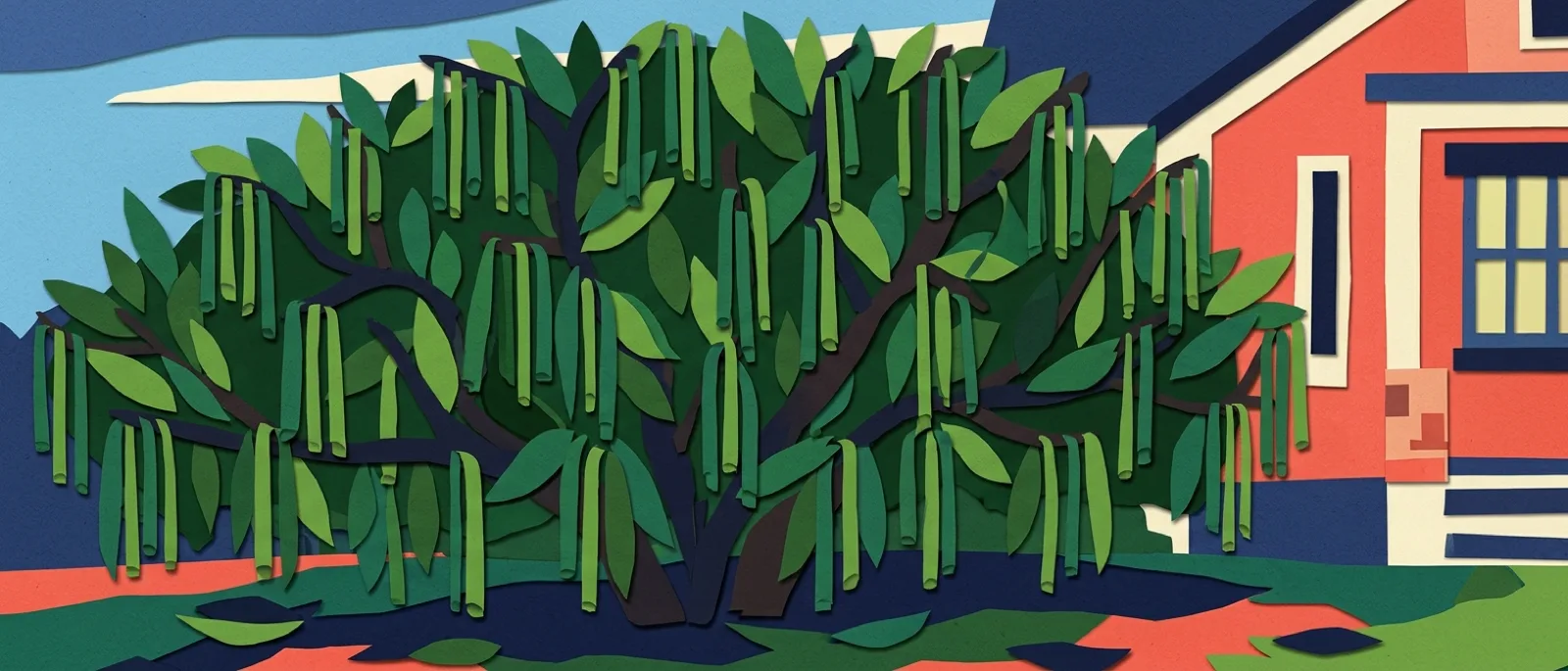
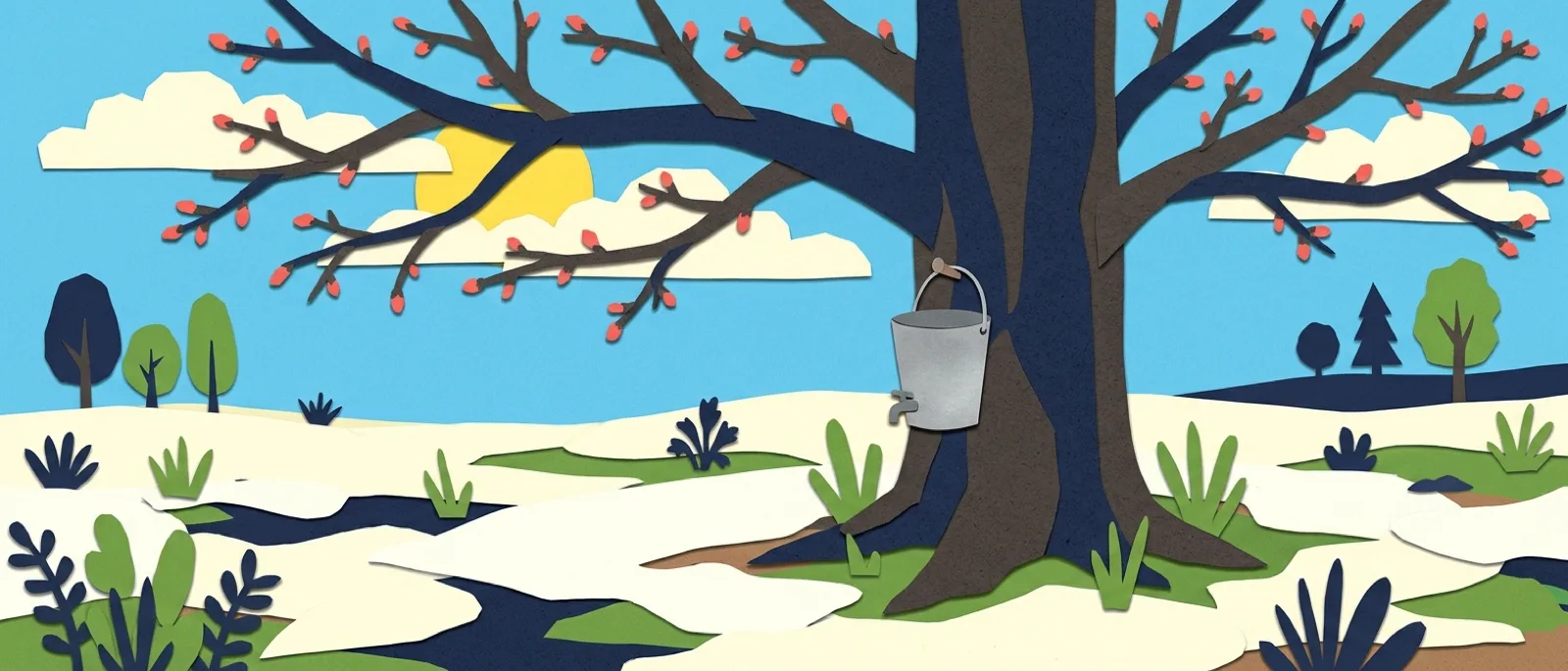
Hazelnuts, alders, birches, and hophornbeam carry closed male catkins on bare twigs all winter, then lengthen and shed pollen in spring.
Plants
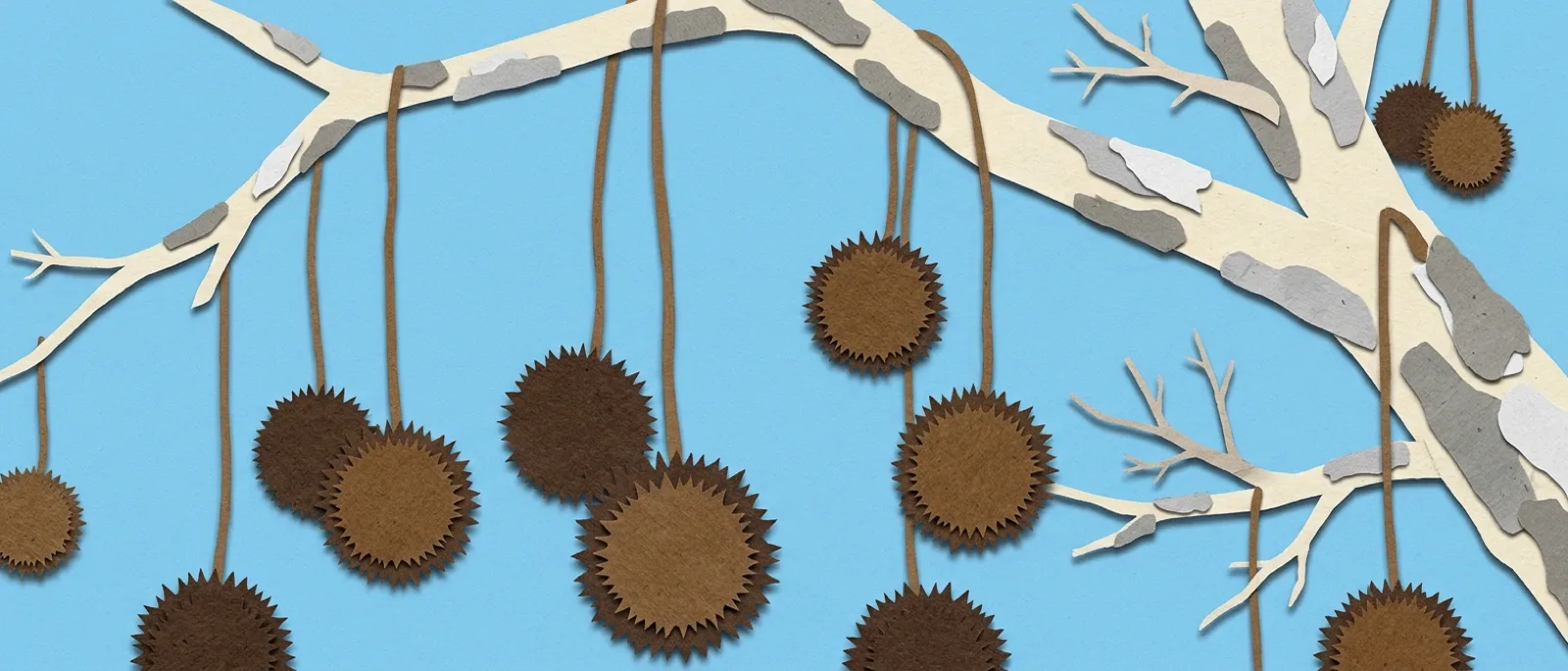
Sycamore and London planetree keep round, bristly seed balls hanging from bare branches, which break apart through winter and into spring.
Plants
Eastern white pine has 5 needles to a bundle, pitch pine 3, and red pine 2 that snap when bent, though some planted pines have 2 as well.
Plants
Dense clusters of short twigs from one spot on a branch, caused by mites, fungi, phytoplasmas, mistletoe or a bud mutation, easiest seen on bare trees.
Plants
A tiny introduced scale insect leaves white woolly wax on beech trunks, then fungi enter its feeding wounds and kill patches of the smooth gray bark.
Plants
Maples push sap out of wounds when a freezing night gives way to a thaw. Sometimes it drips off a broken twig and freezes into an icicle of sap.
Plants
Polypody ferns are small evergreen ferns that grow in mats on boulders, cliffs and rocky slopes, and stay green through the winter.
Mammals
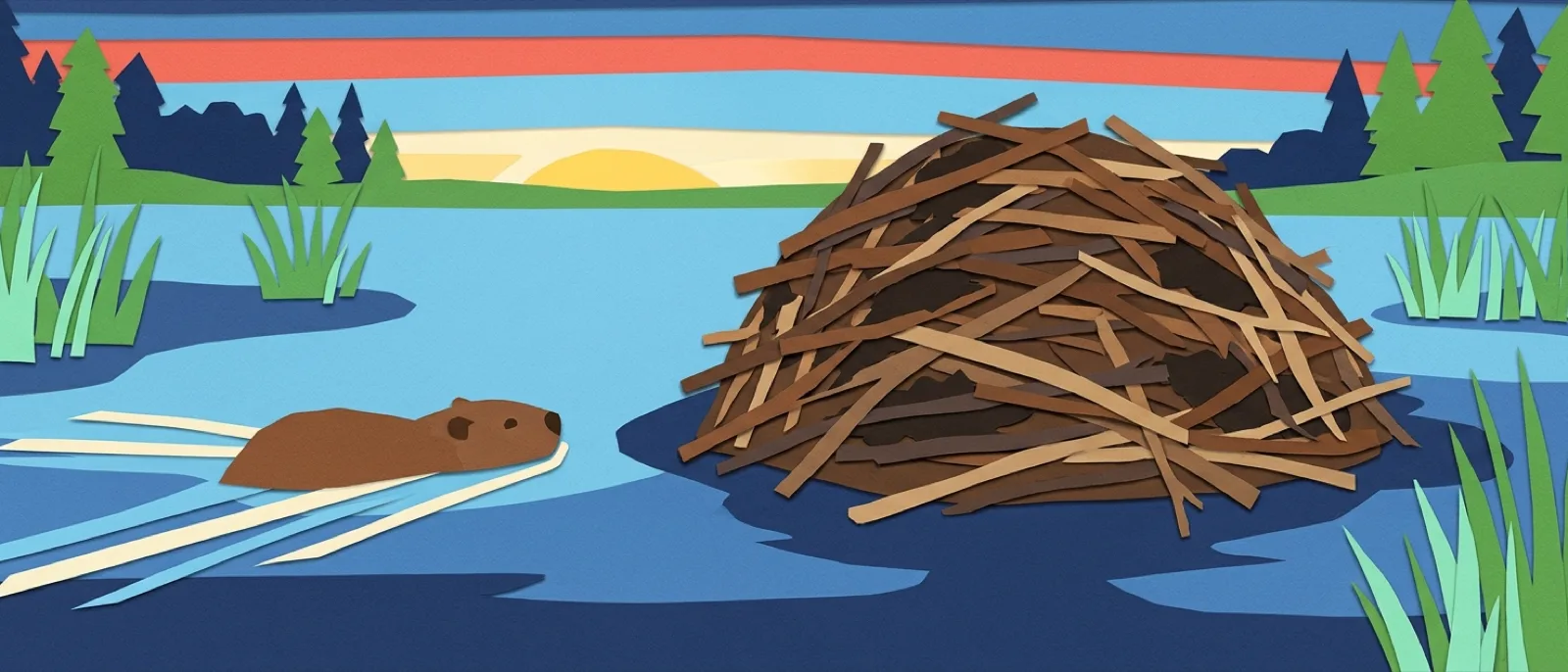
Beavers work mostly at night, so pointed stumps, pale wood chips and paired tooth grooves along a pond edge are often easier to find than the animal.
Mammals
Snow blurs a footprint and widens it as it melts, so print detail misleads. The shape the whole trail makes does not, and you can learn three in a morning.
Mammals
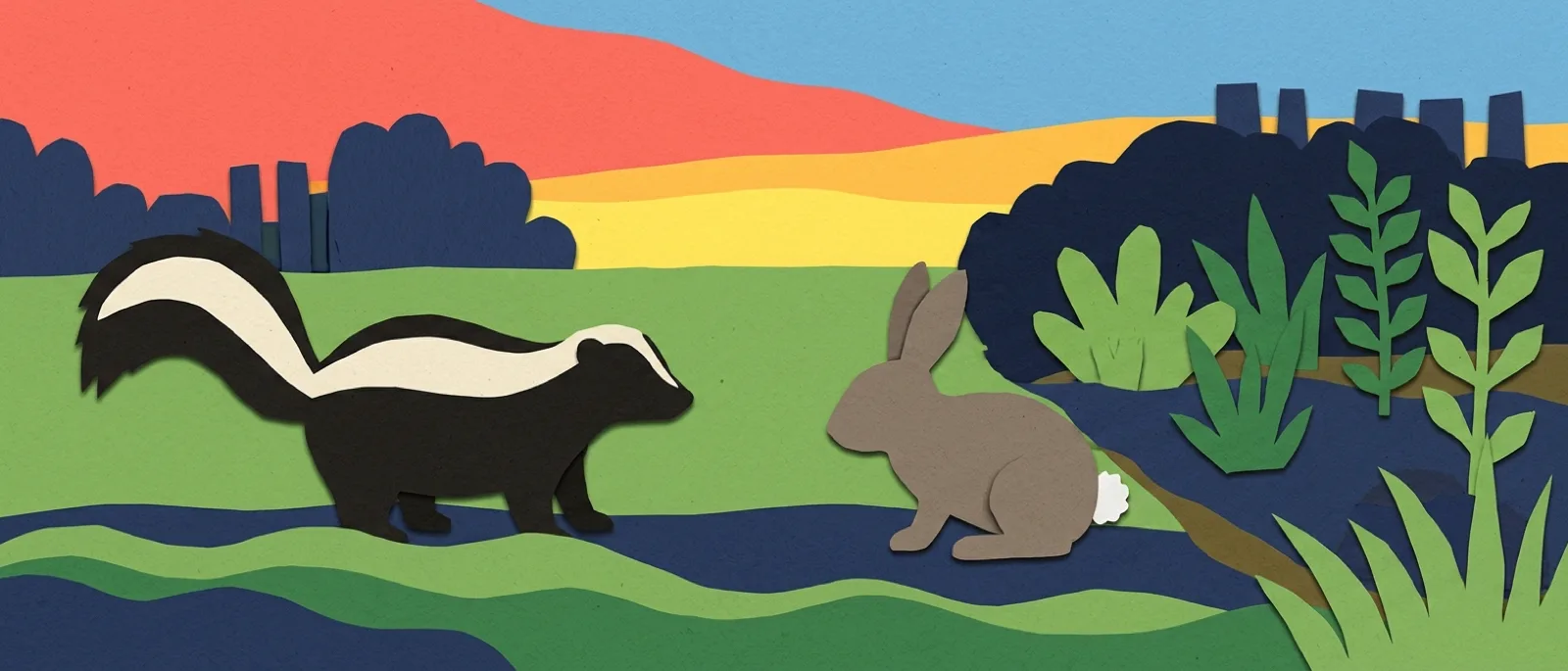
Striped skunks sleep out the cold under sheds and porches and come out on mild nights, and February and March are their breeding season.
Mammals
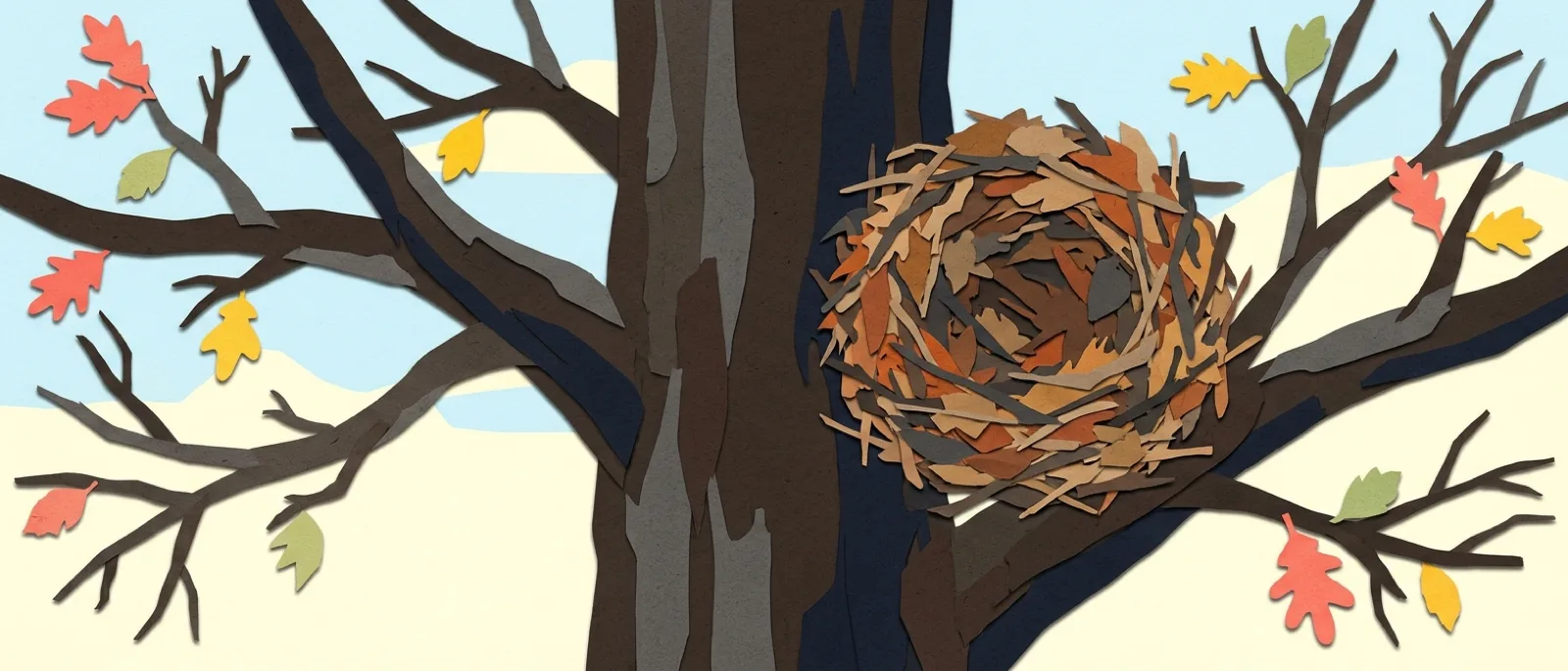
A drey is a gray squirrel's nest of leaves and twigs, a foot or two wide and usually twenty feet up or more, hidden all summer until the leaves come down.
Mammals
Eastern coyotes howl, yip and bark to hold territory and keep track of family, most often on winter nights around the mid-February peak of mating season.
Mammals
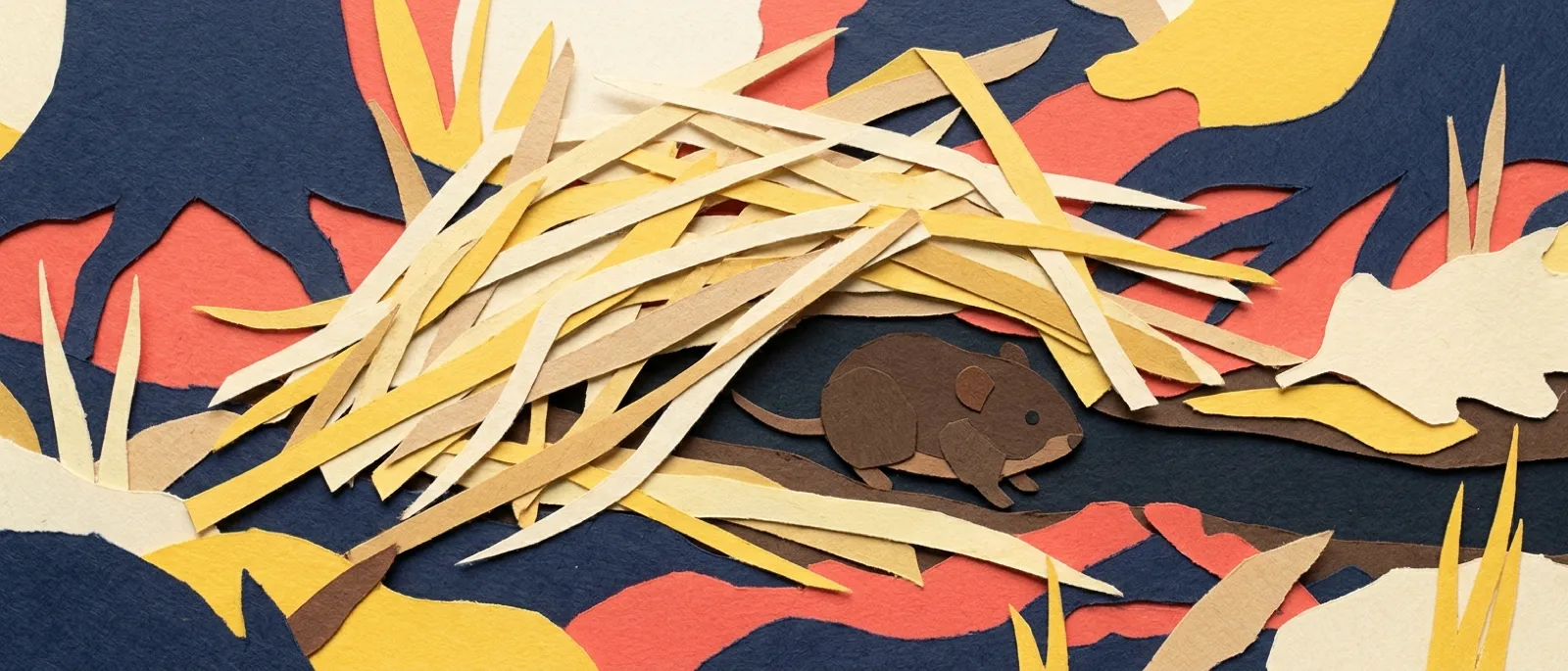
Meadow voles clip networks of inch-wide trails through grass and use the same paths over and over. Part the matted dead grass at a field edge to find them.
Mammals
Red squirrels strip pine, spruce and hemlock cones at a favorite stump or log, and the scales pile up there over years, up to two feet high.
Mammals
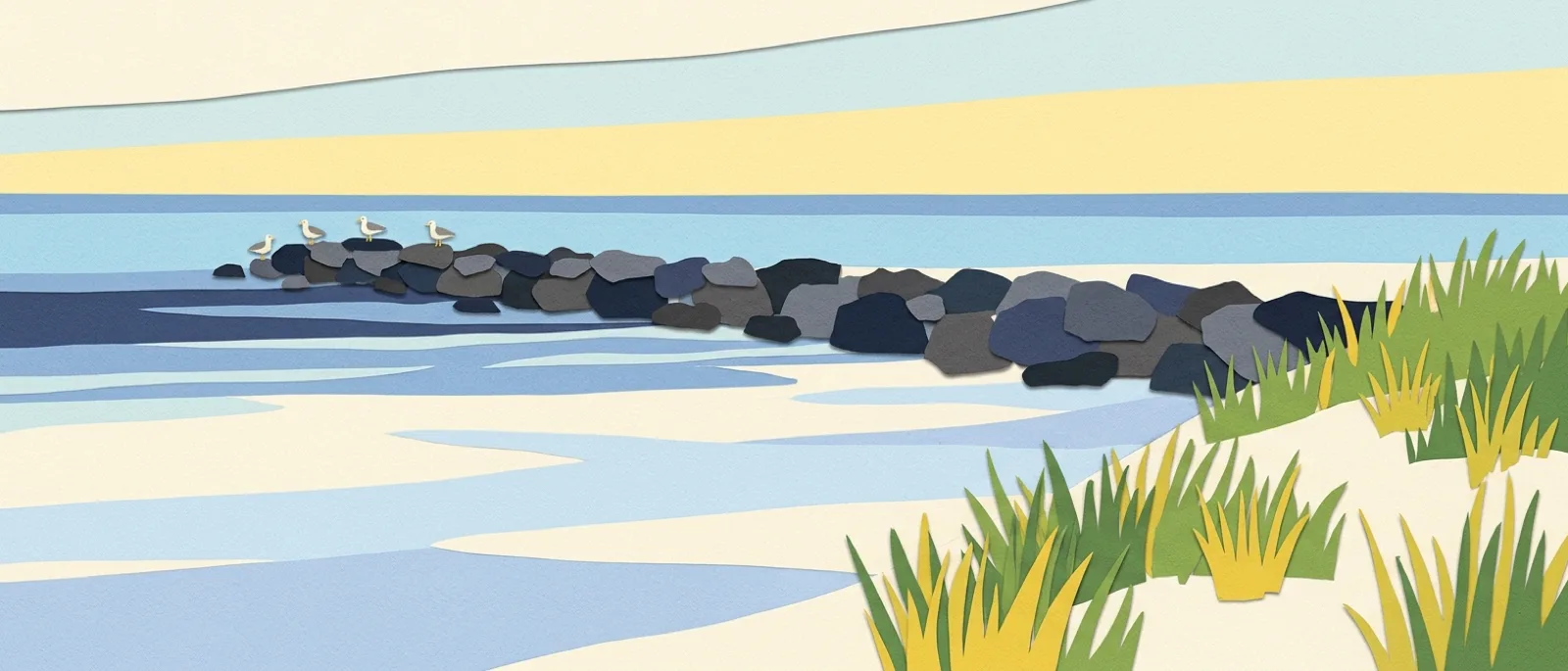
Seals haul out on rocks, ledges, sandbars and beaches. Harbor seals are mostly cold-month visitors here; watch from 150 feet away.
Mammals
River otters stay active all winter. Look for scat packed with fish scales at banks and docks, and slides down muddy banks.
Mammals
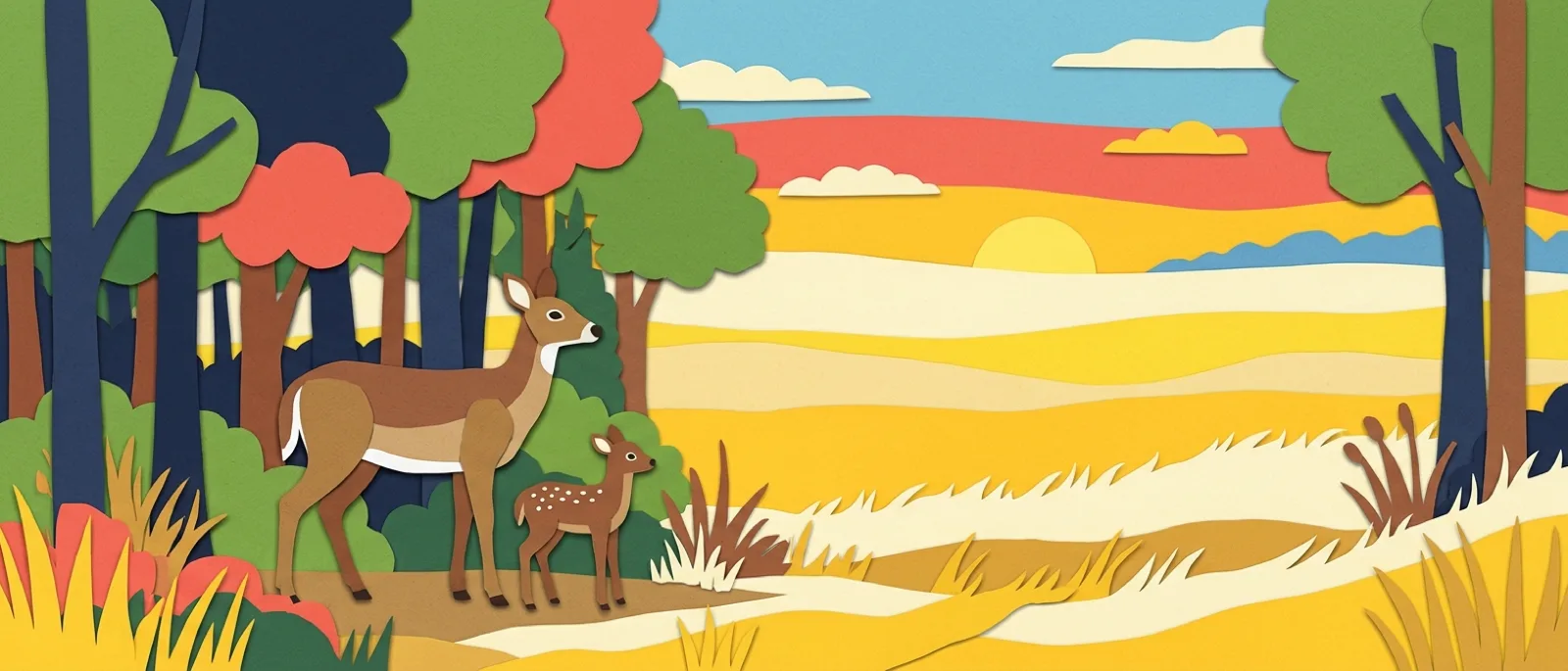
A ragged, torn twig end points to deer; a clean slanted snip points to a rabbit or hare, though voles cut cleanly too.
Mammals
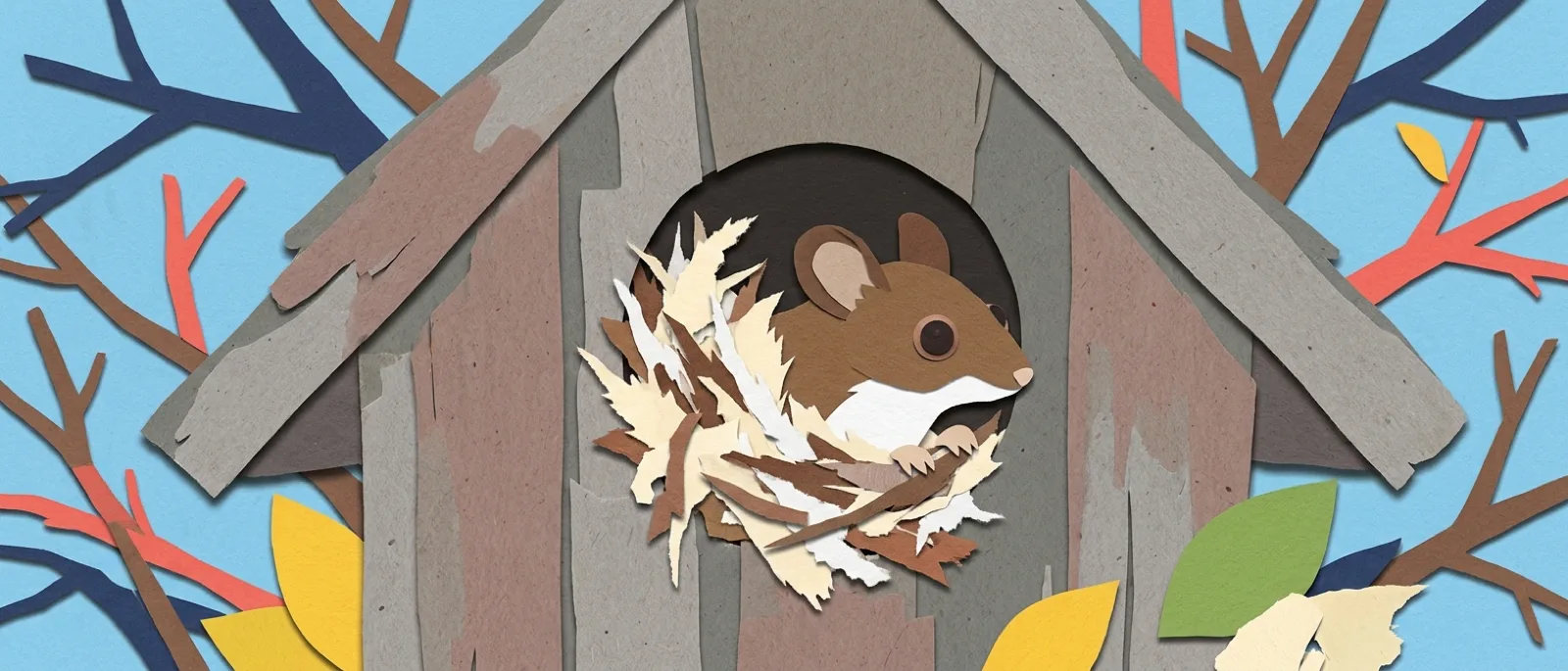
White-footed mice move into empty birdhouses and roof over old bird nests for winter. Look at the hole, never handle the nest.
Mammals
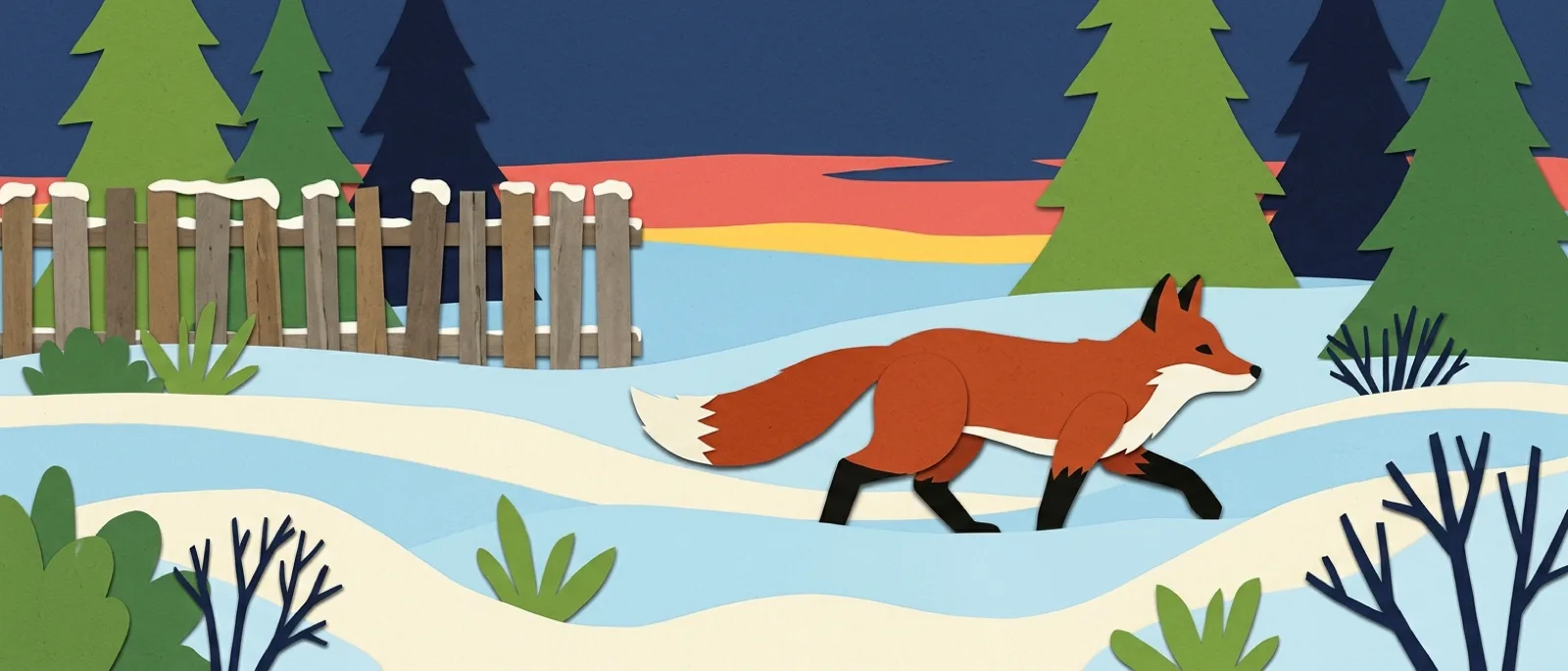
A red fox listens for mice and voles it cannot see, then leaps high and dives headfirst into the grass or snow.
Mammals
The northern short-tailed shrew does not hibernate. It stays active all winter, often in tunnels under leaves and snow, and must feed often.
Mammals
White-tailed deer rest in oval, body-sized patches of flattened leaves, grass or snow, often several together under evergreens or on sunny slopes.
Mammals
White-tailed bucks drop their antlers in winter; a found shed shows a rough base and the tooth marks of mice, squirrels and porcupines.
Mammals
Mass Audubon says porcupines raise their quills rather than shoot them. If a dog is quilled, Cornell says see a veterinarian; do not pull them yourself.
Mammals
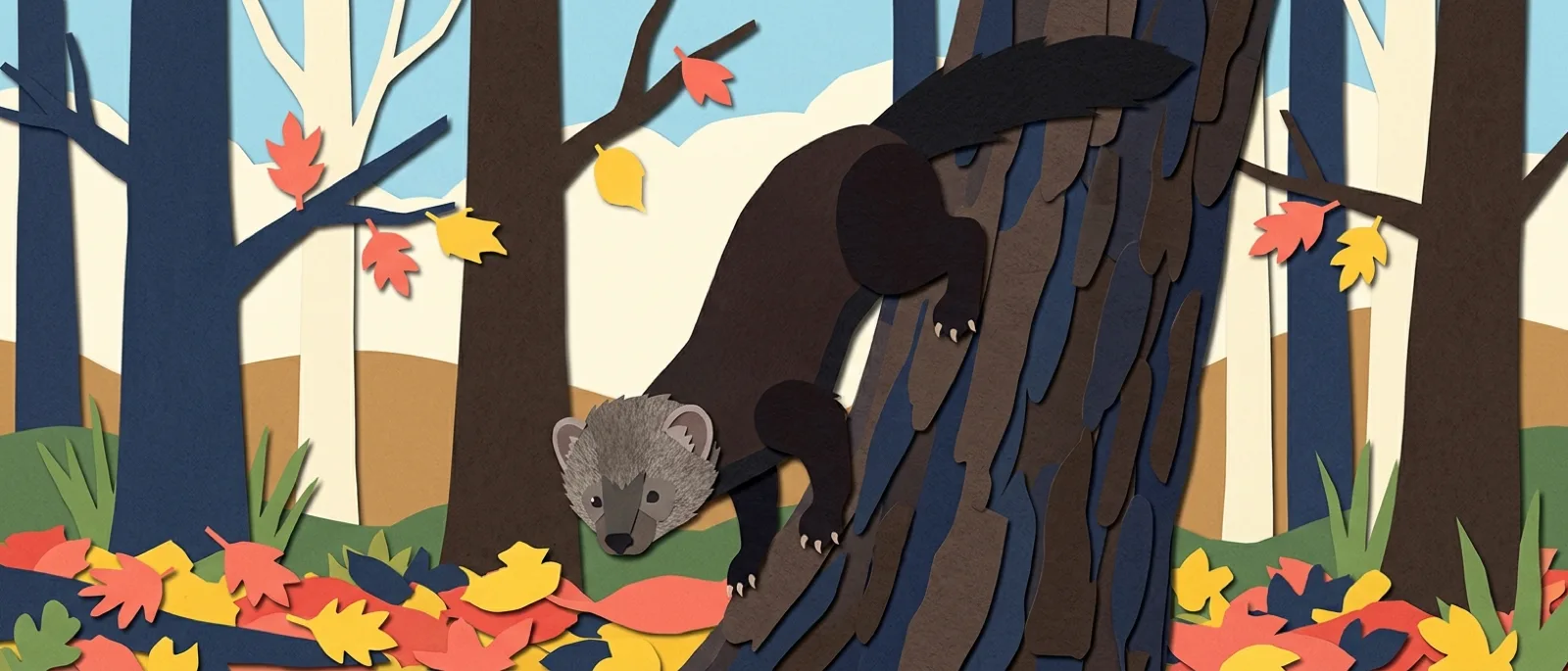
The fisher is a large member of the weasel family, not a cat. It lives throughout Massachusetts except on Nantucket and Martha's Vineyard.
Fungi
Rain turns a lichen's gray outer layer see-through so the green algal partner shows, while lichens with cyanobacteria go dark green, brown or black.
Fungi
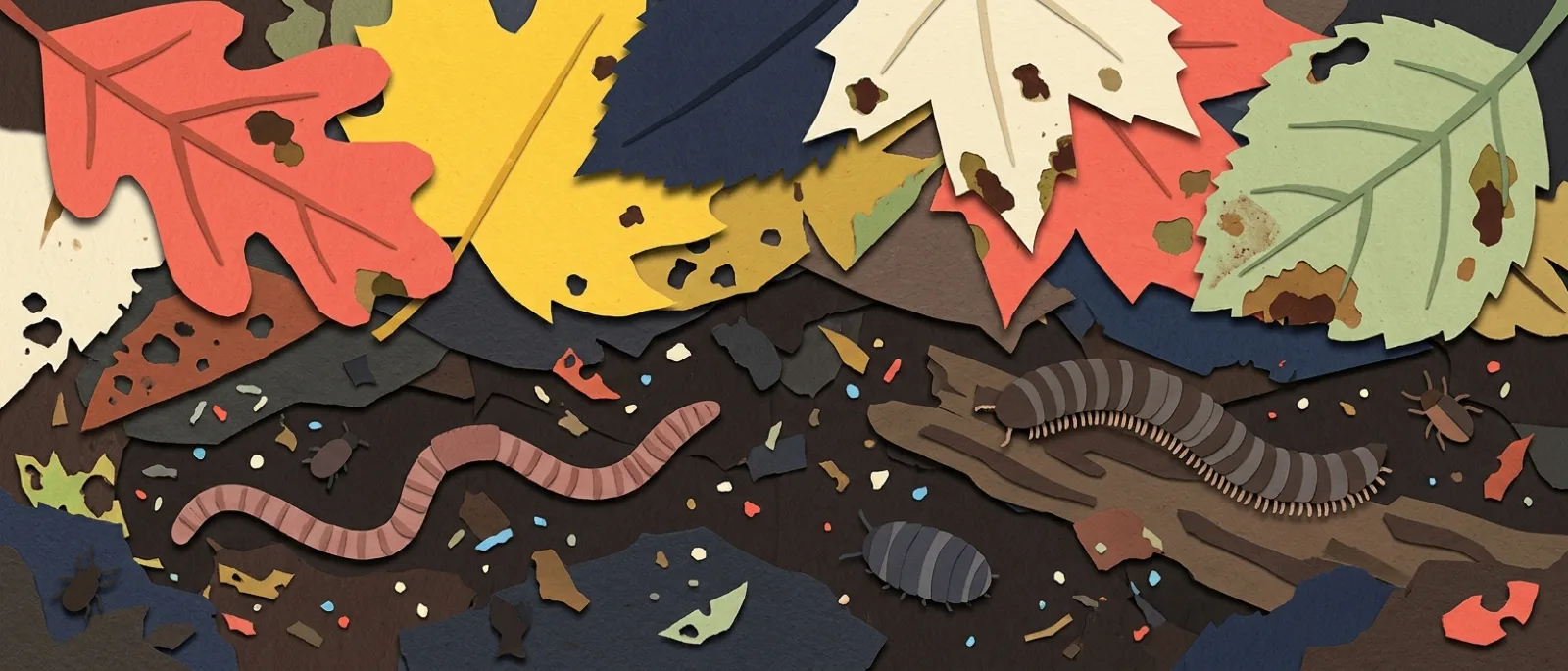
Under damp leaf piles in eastern Massachusetts yards and woodlots, microbes, millipedes and earthworms turn dead leaves back into soil nutrients.
Fungi
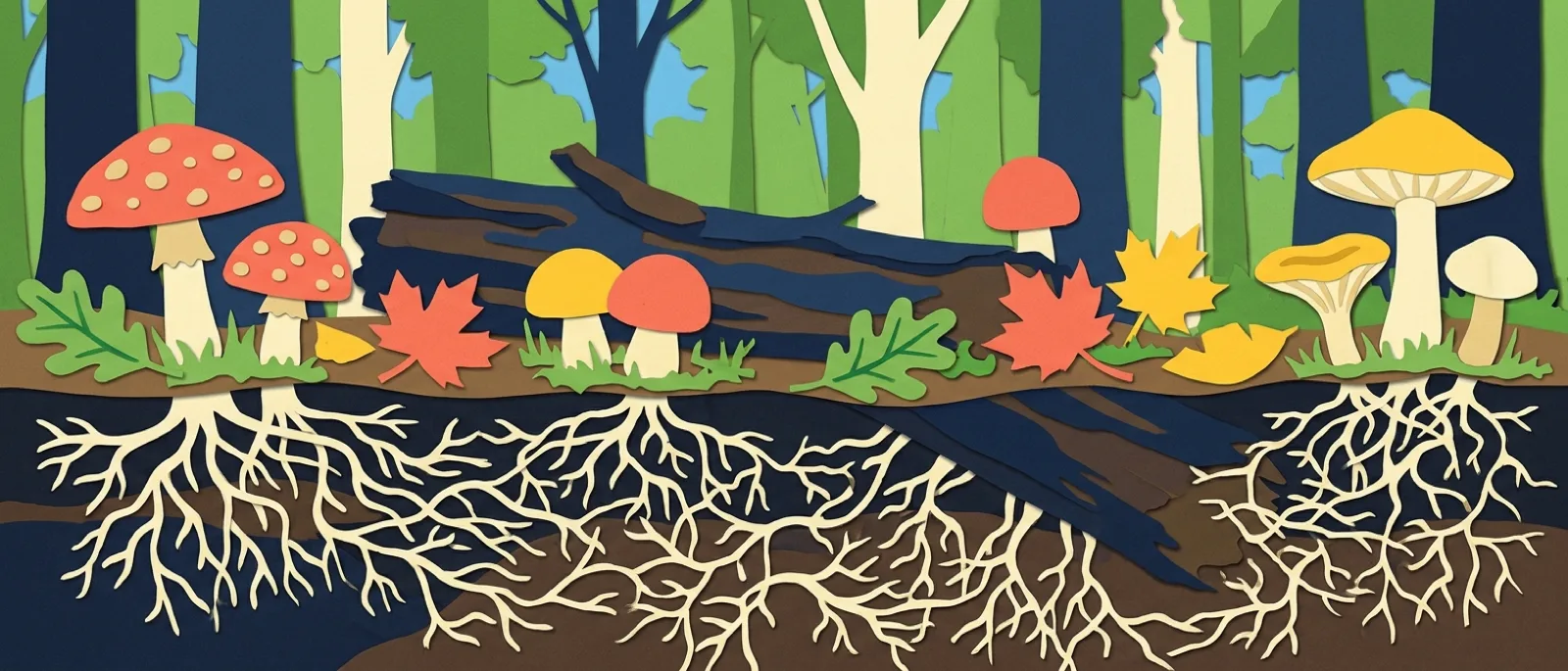
Overlapping fans banded brown, buff and cinnamon cover dead hardwood logs all winter, the visible end of the work that turns a fallen tree back into soil.
Fungi
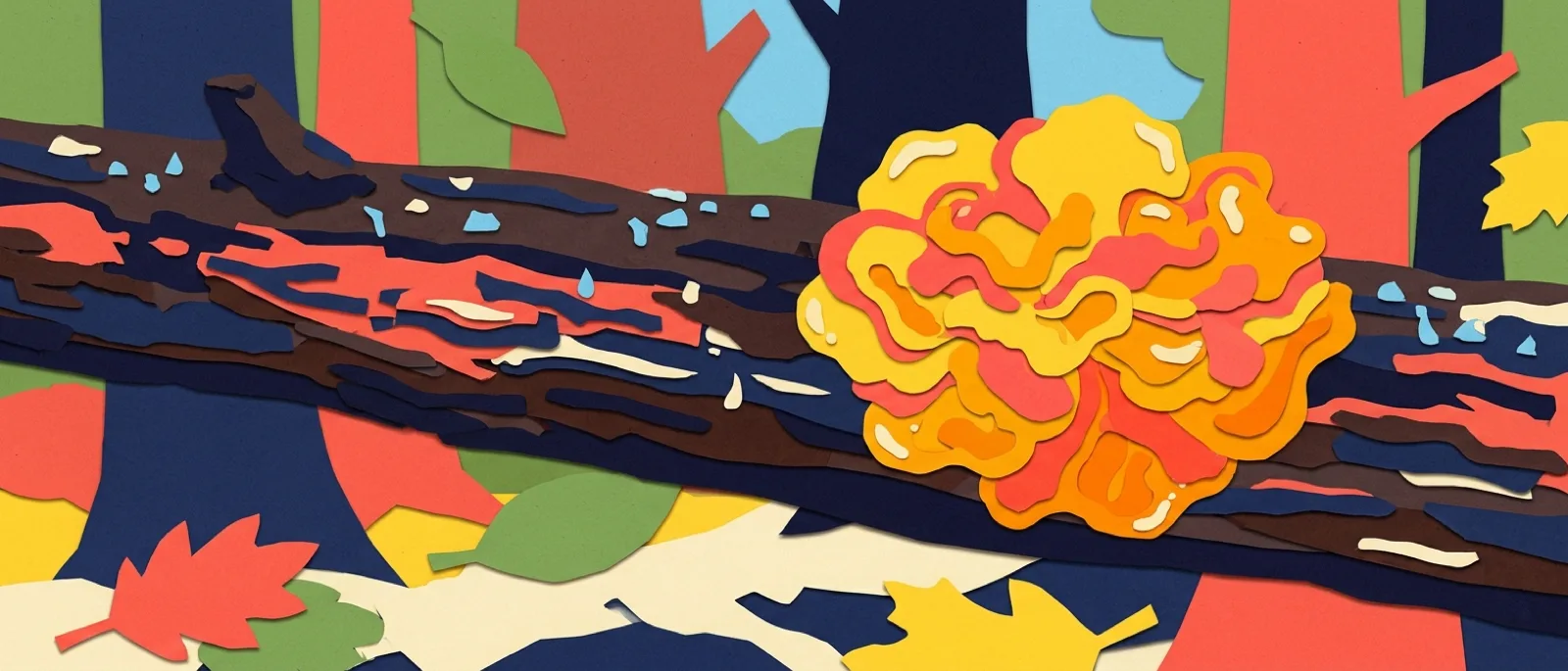
Witch's butter and other jelly fungi are rubbery blobs on dead branches that swell after rain, shrivel to a crust in dry spells, then swell back again.
Fungi
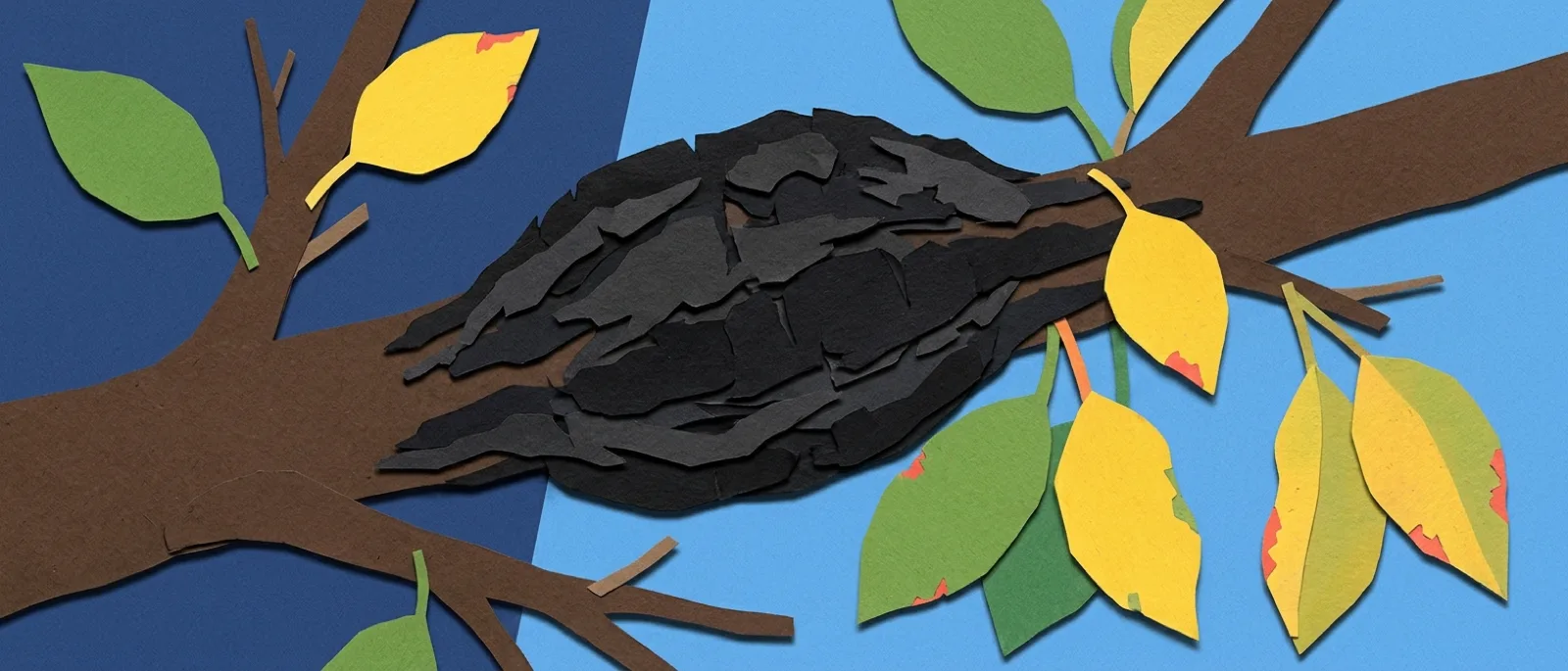
Hard black swellings on a roadside cherry's twigs are black knot, a native fungus, not fire damage or an insect gall, and it can keep growing for decades.
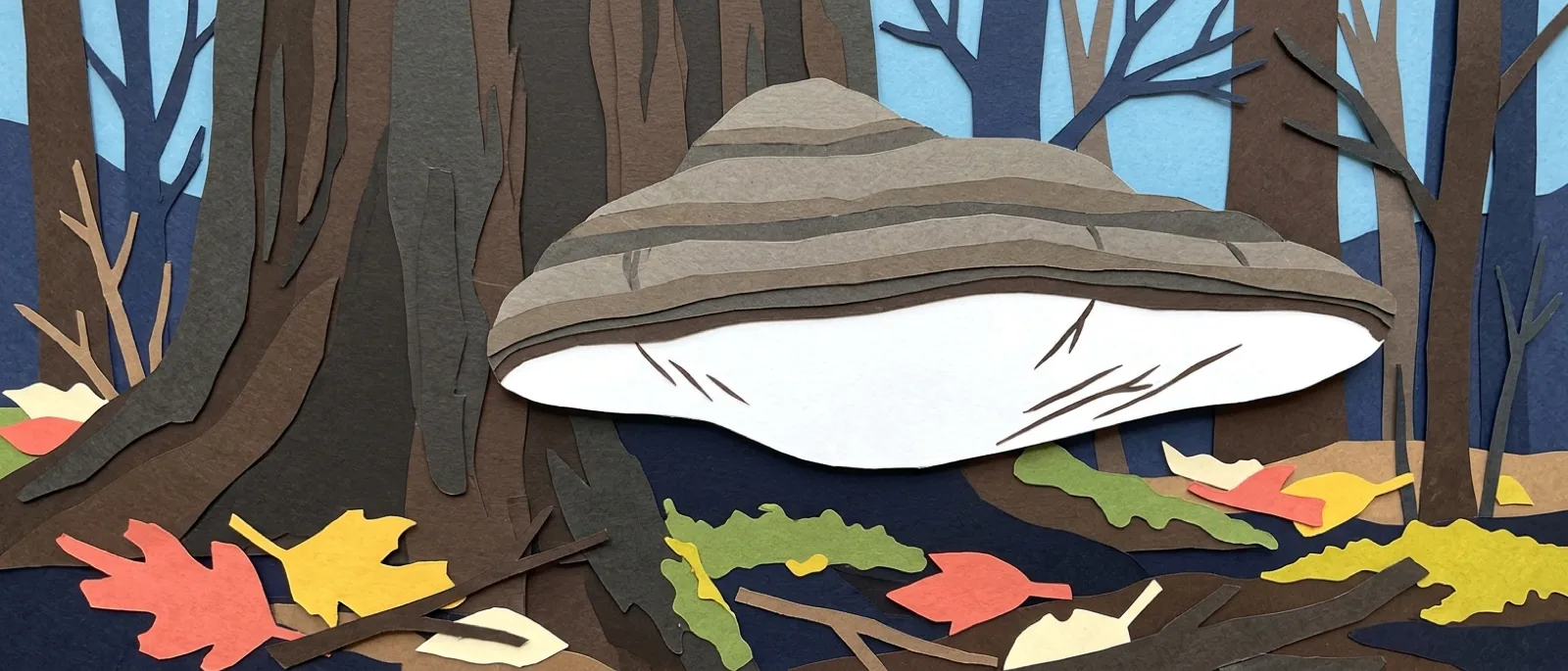
Fungi
Artist's conk is a thick, woody bracket fungus on hardwood trunks and stumps that lasts for years, and its white underside bruises brown when scratched.
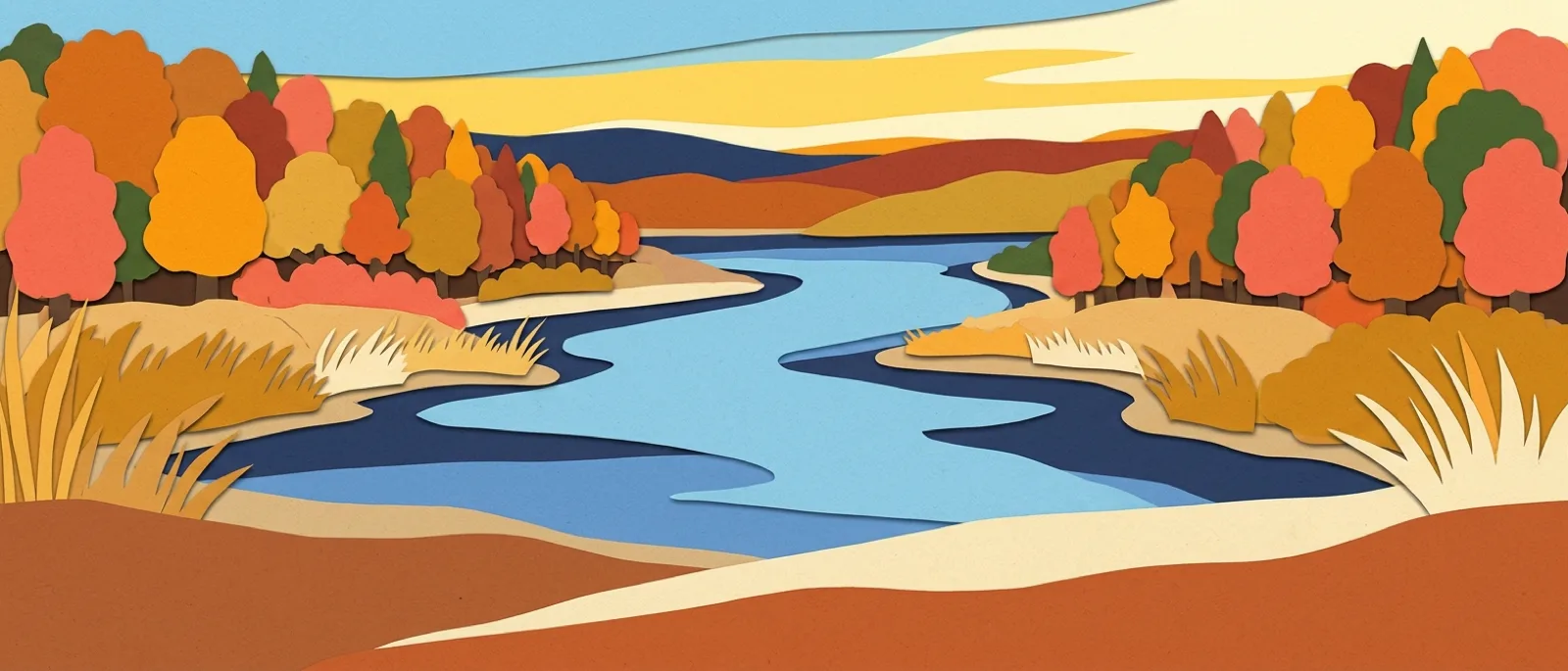
Fungi
A rounded bracket fungus that grows only on birch, with a white to grayish pore surface and a thick rolled rim.
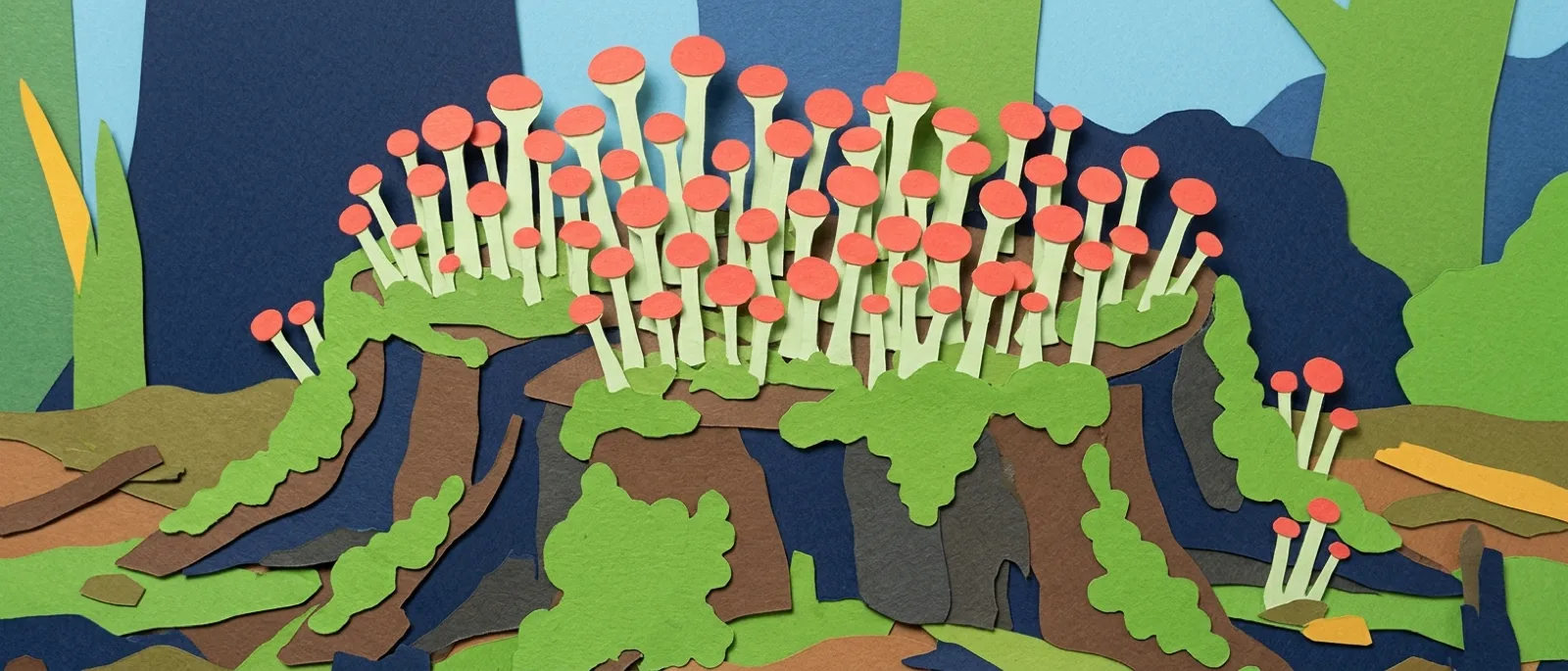
Fungi
A pale green lichen with tiny stalks tipped in bright red, found on old stumps, rotting logs, mossy ground and weathered fence posts.
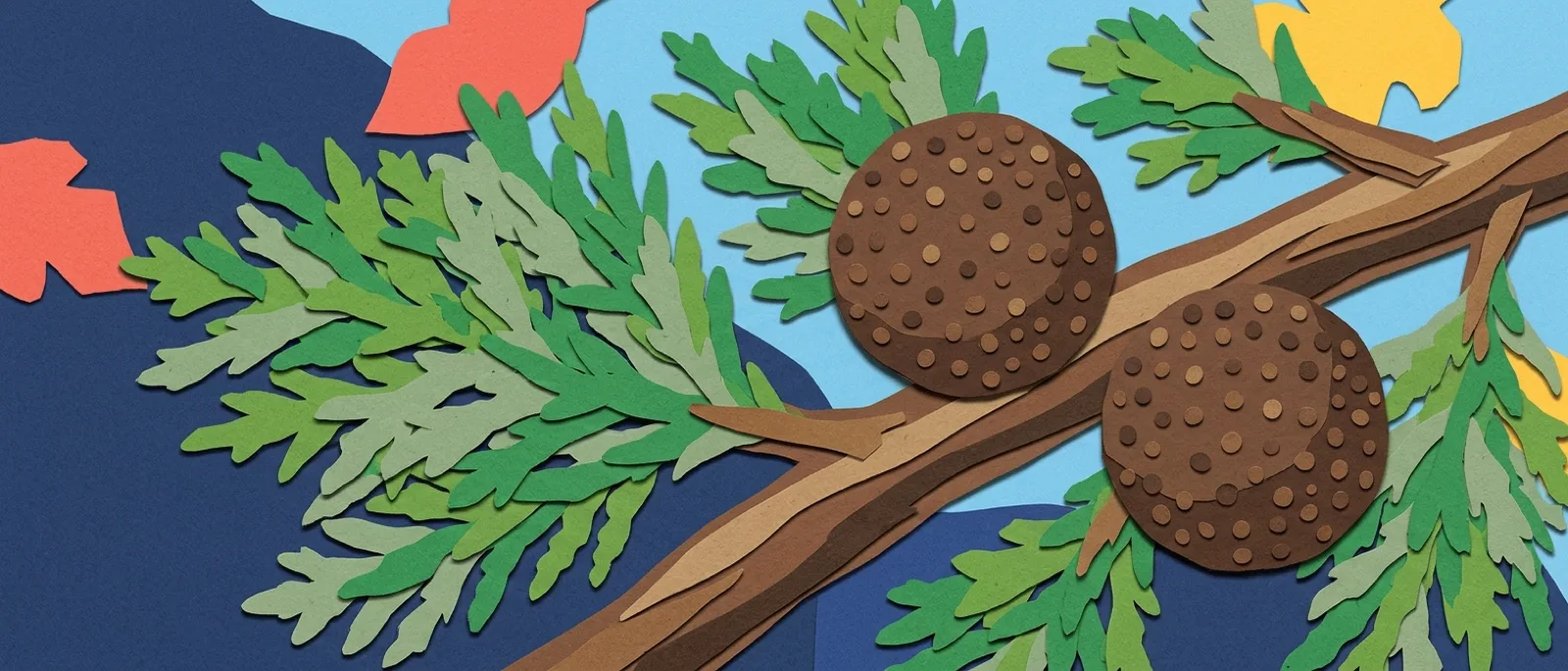
Fungi
Woody, brown, dimpled galls on red cedar twigs, made by a rust fungus; after warm spring rains a mature gall can sprout orange horns.
Fungi
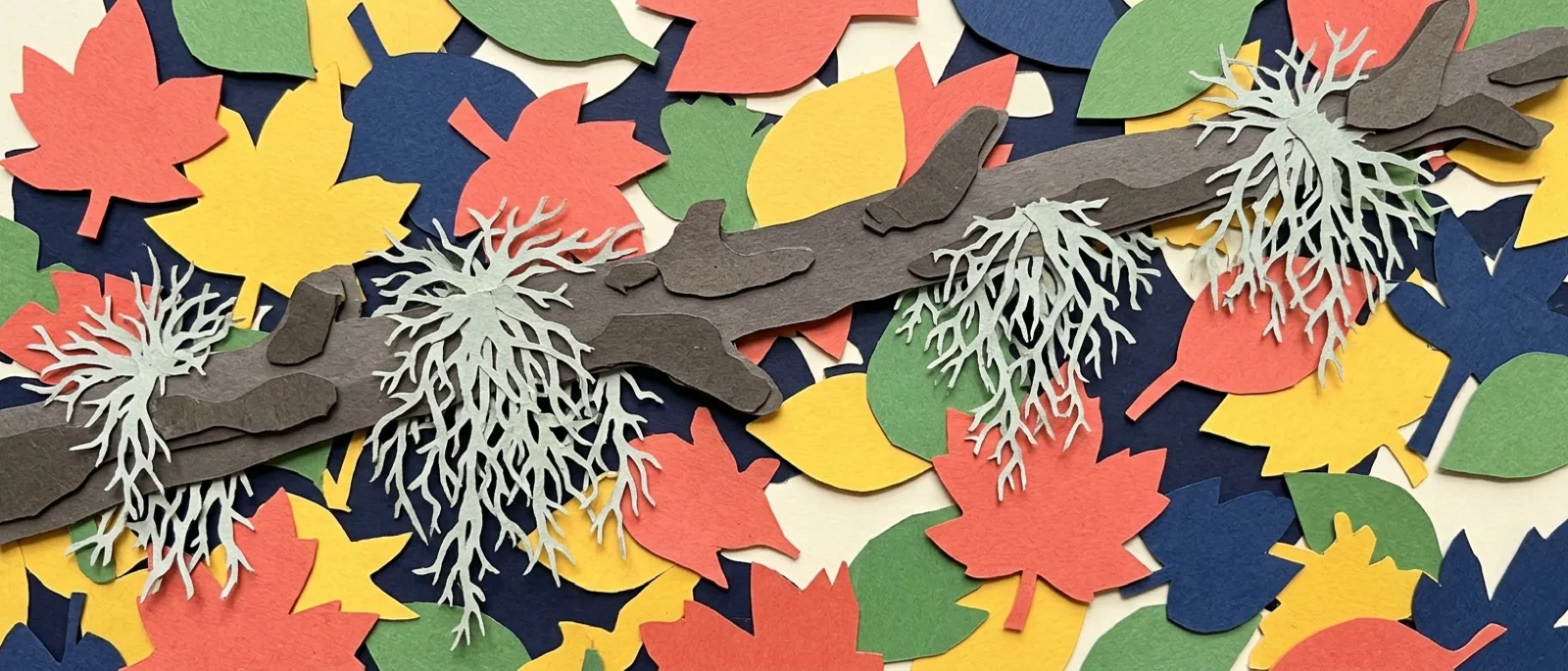
A pale gray-green, hair-like lichen on twigs and branches; it is sensitive to air pollution, and a stretched strand has an elastic cord inside.
Fungi
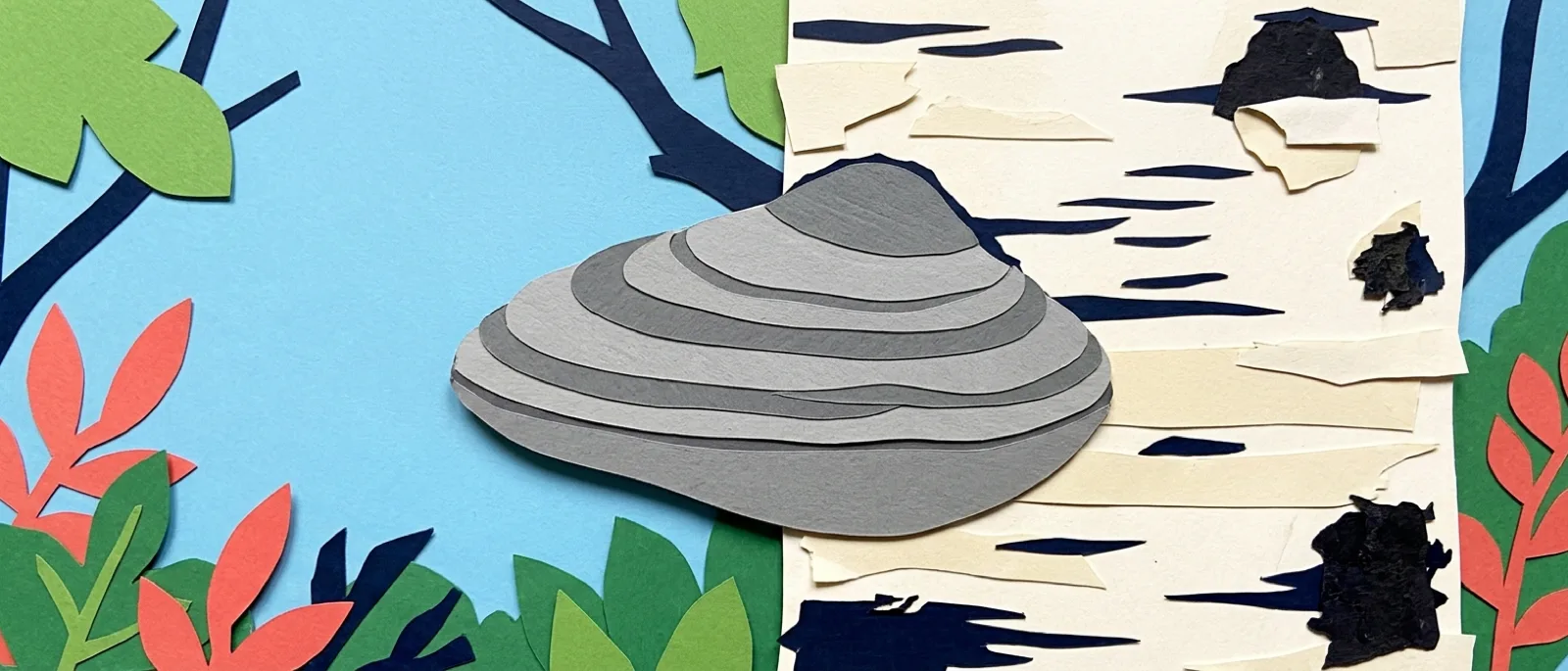
A hard, gray, hoof-shaped fungus on birch and beech trunks that lives for years and can be seen in every season.
Fungi
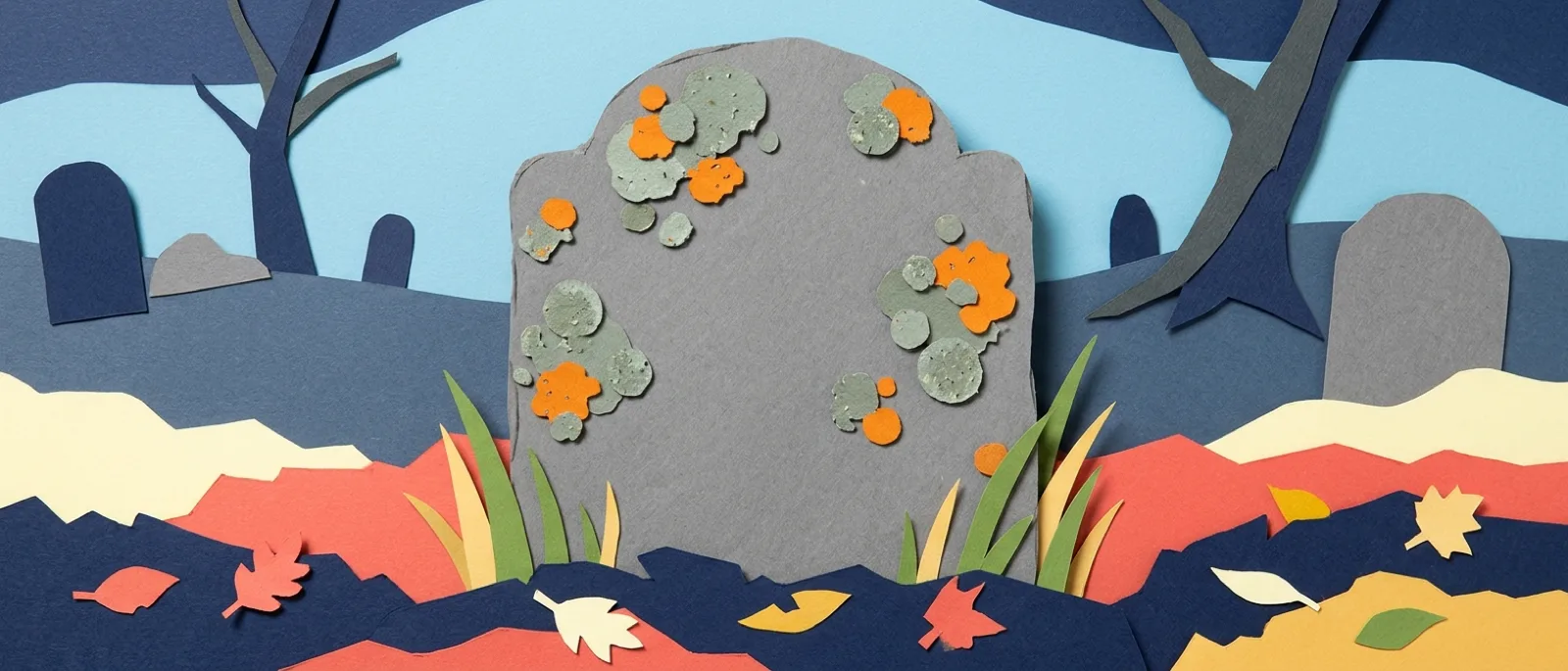
The gray, yellow-green and orange crusts on old stone are lichens, a fungus living with an alga, slow growing and differing from one stone type to another.
Fungi
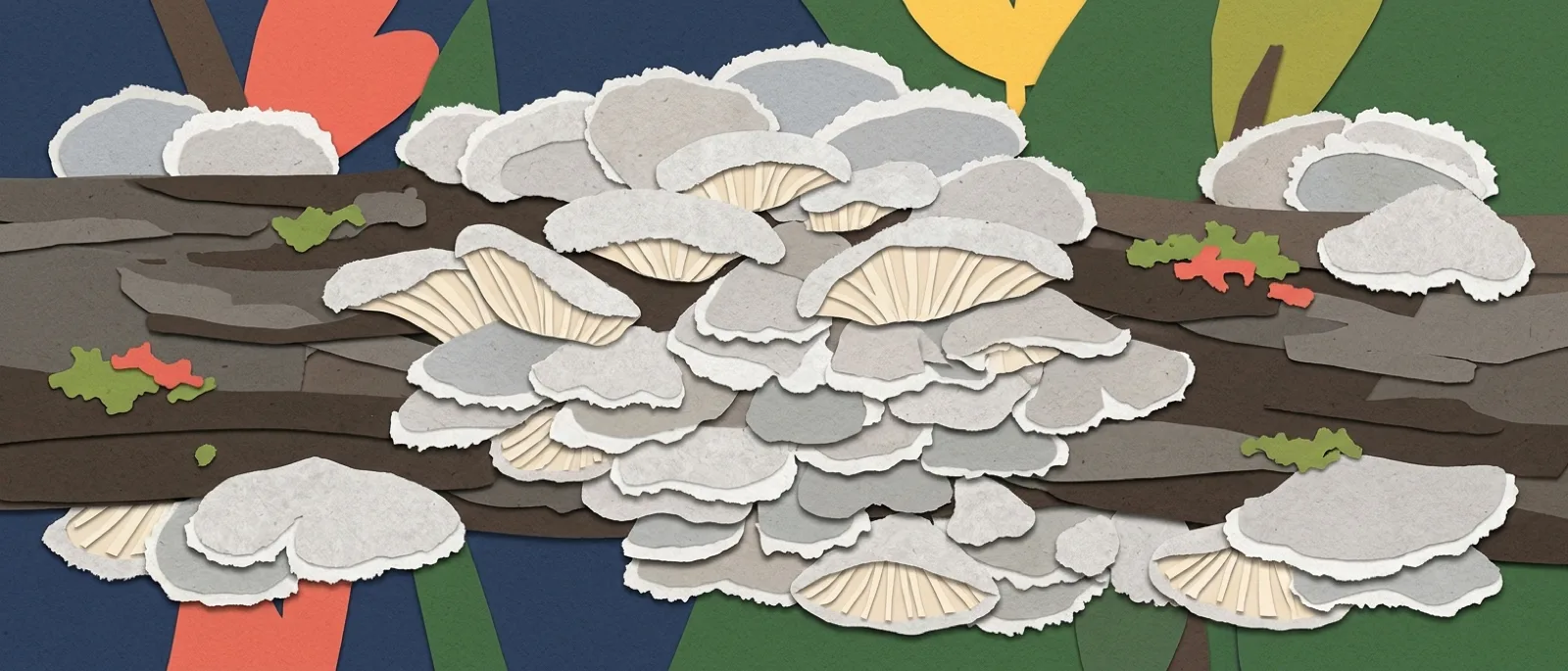
A small fuzzy gray-white fan on dead hardwood whose gills are split down the middle. It shrivels in dry spells and starts working again after rain.
Fungi
The black, deeply cracked lump on a living birch trunk is chaga, a fungus, not a burn scar or a woody burl. It can sit on the tree for many years.
Fungi
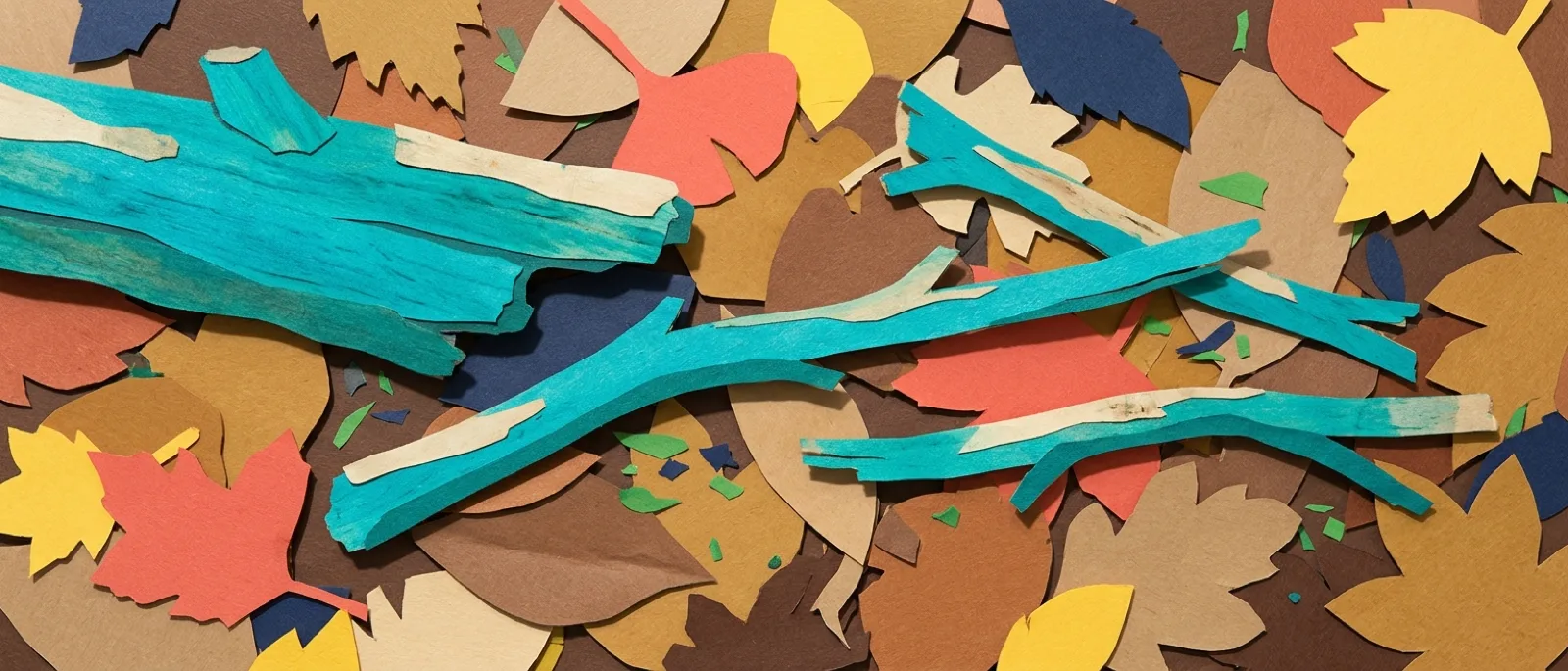
Fallen sticks and logs stained bright blue-green are colored by a cup fungus called Chlorociboria. Its tiny turquoise cups appear far less often.
Amphibians
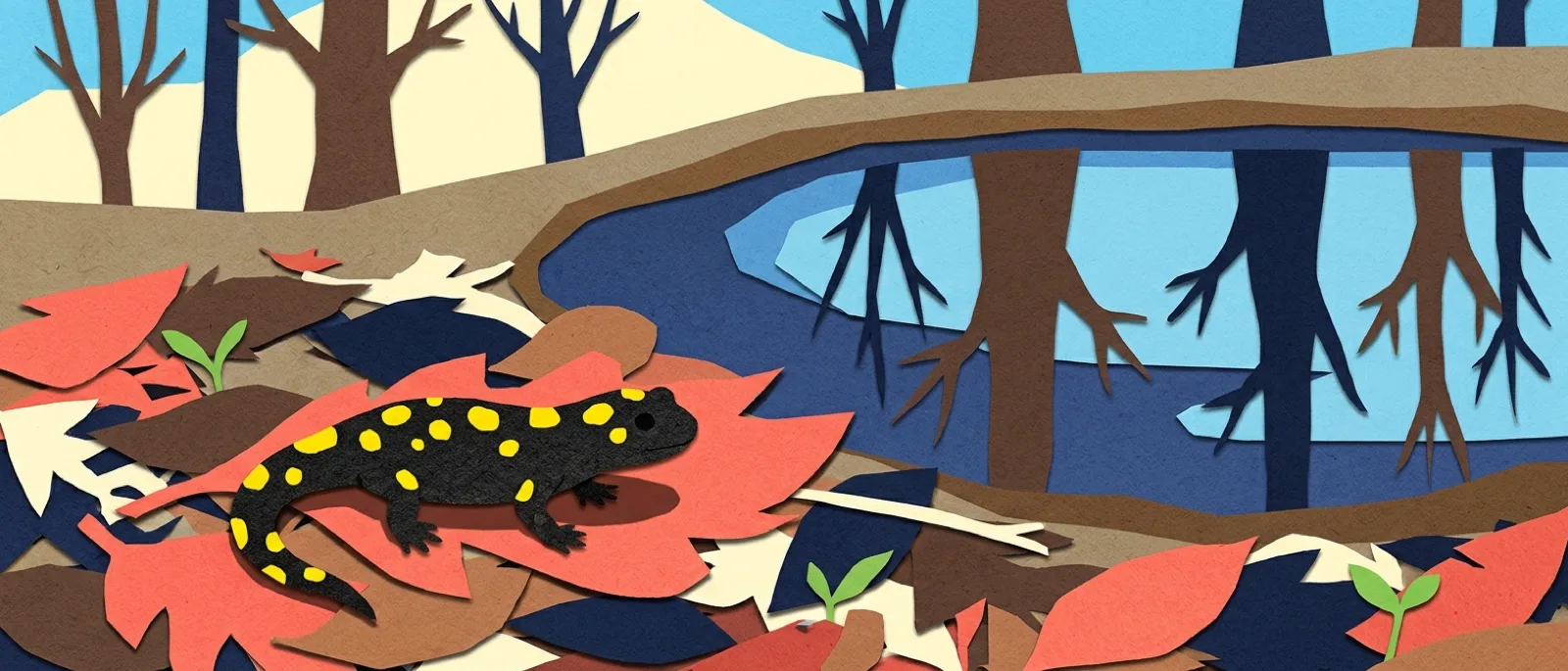
On an early rainy spring night above 40 degrees, spotted salamanders and wood frogs surge across eastern Massachusetts roads toward vernal pools.
Amphibians
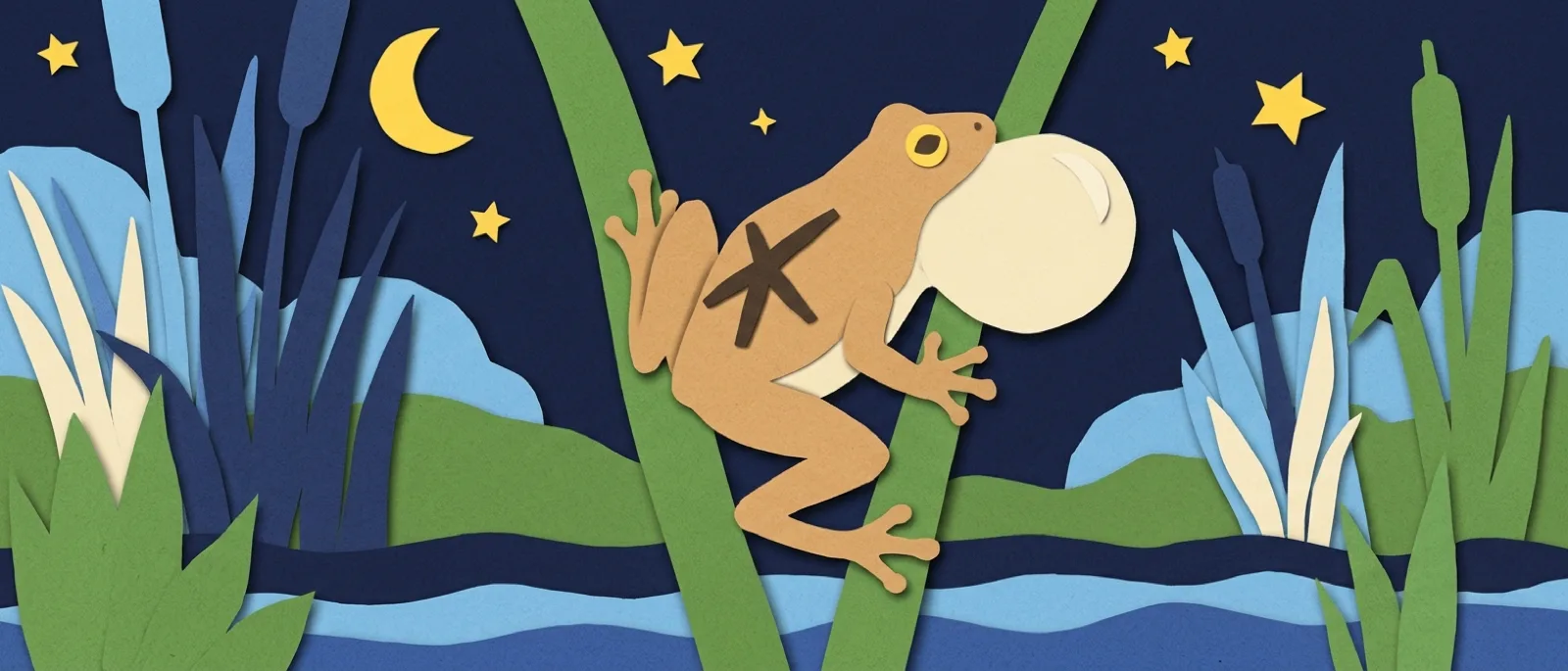
From the first mild evenings of March into May, male spring peepers small enough to sit on a quarter chorus from wetlands across eastern Massachusetts.
Amphibians
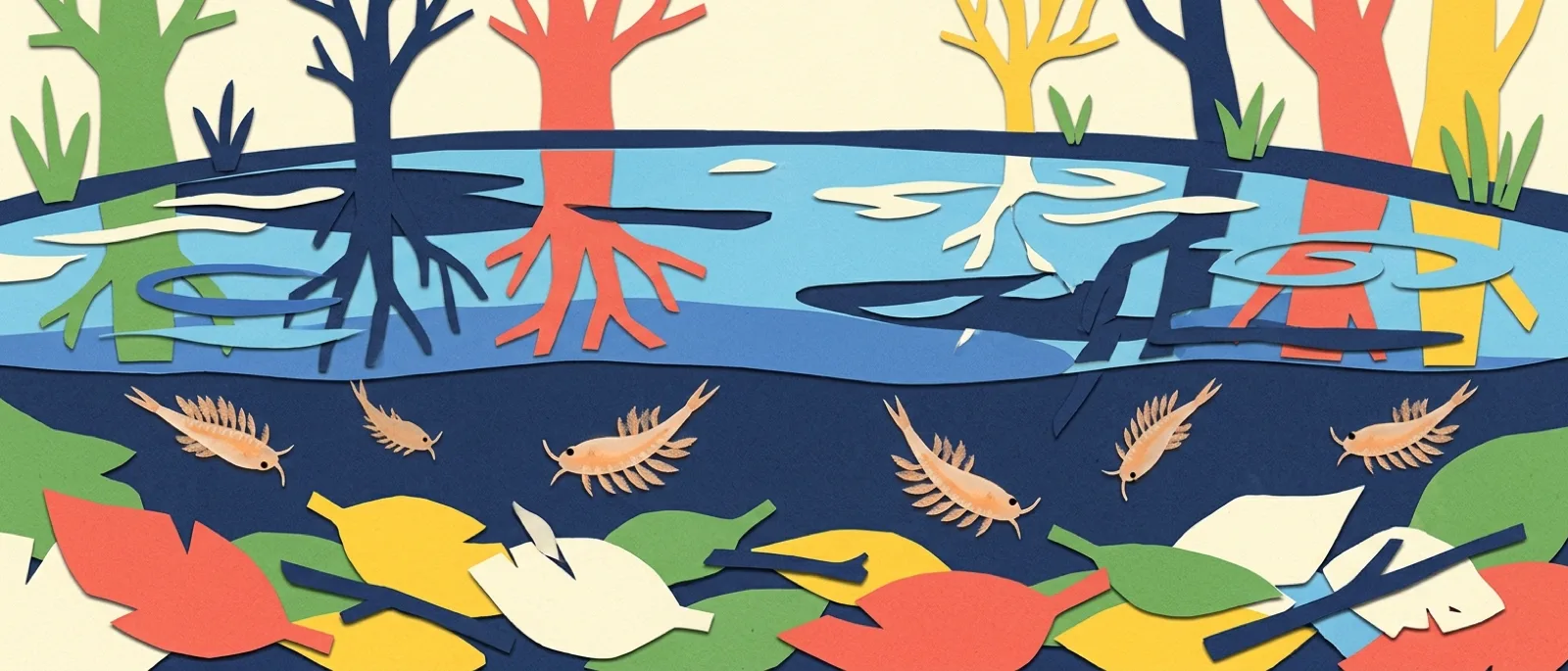
Fairy shrimp are inch-long crustaceans that swim on their backs in woodland pools that fill each spring, hatching from eggs that sat out the dry months.
Amphibians
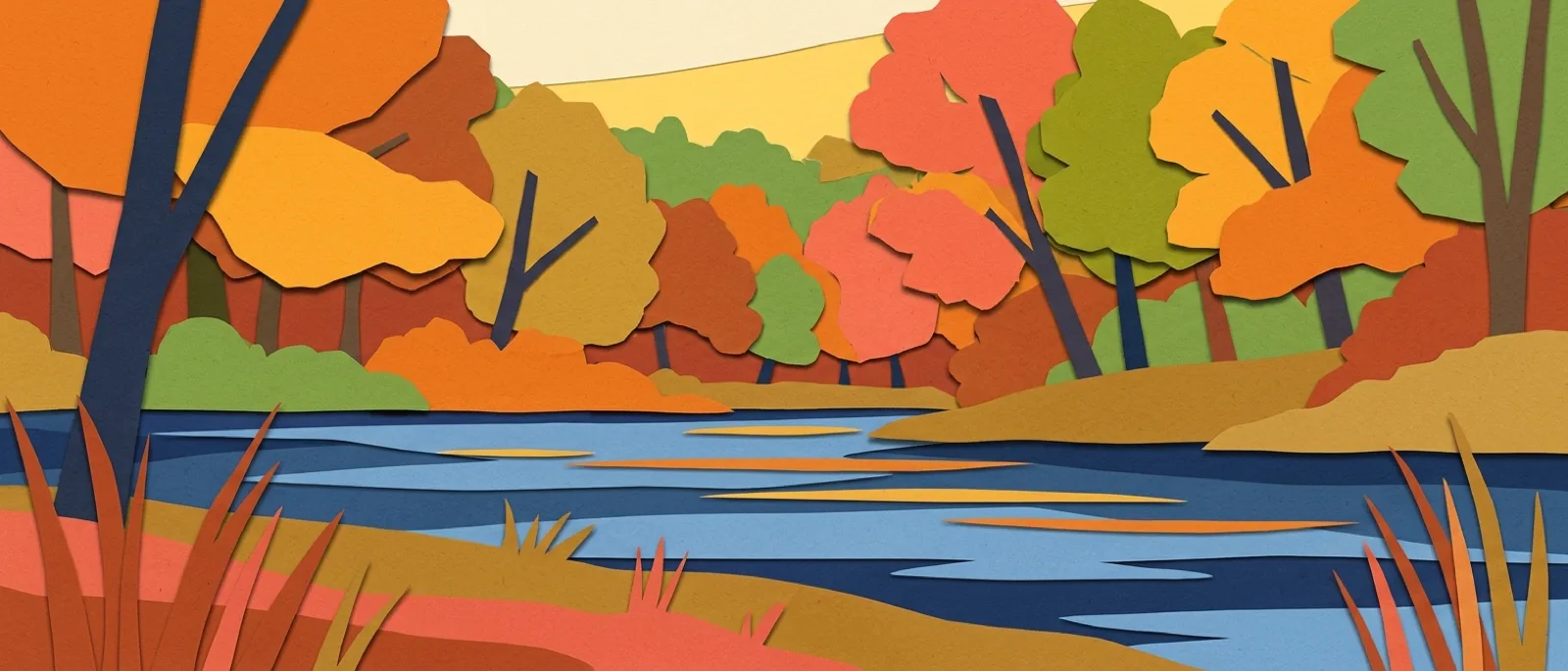
A bullfrog tadpole usually takes two years to turn into a frog, so a November pond holds last year's tadpoles, still tadpoles when the ice goes out.
Amphibians
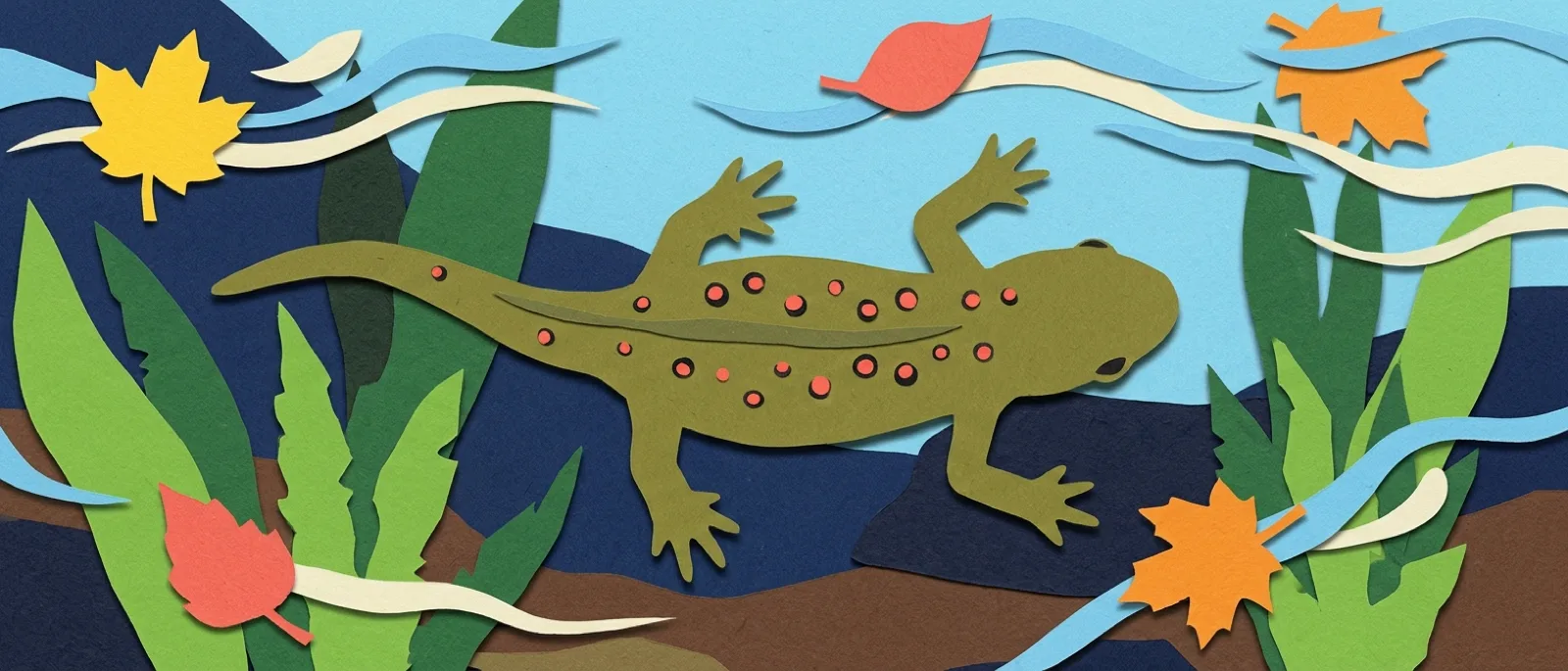
Some adult red-spotted newts stay active in ponds into the cold months, feeding in cold water and sometimes even under ice.
Amphibians
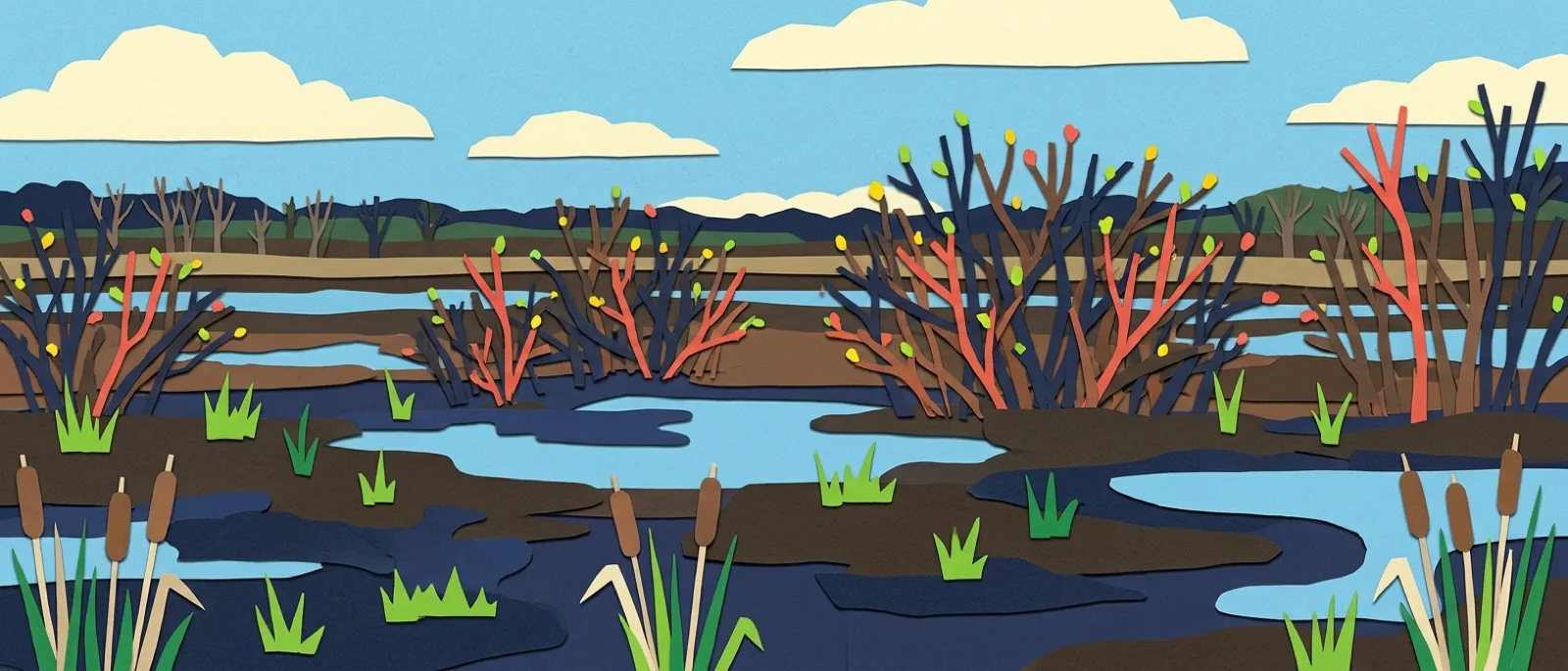
In early spring wood frogs crowd into vernal pools and quack. Broad Meadow Brook's All Persons Sensory Trail passes the Holdredge Vernal Pool.
Landscape
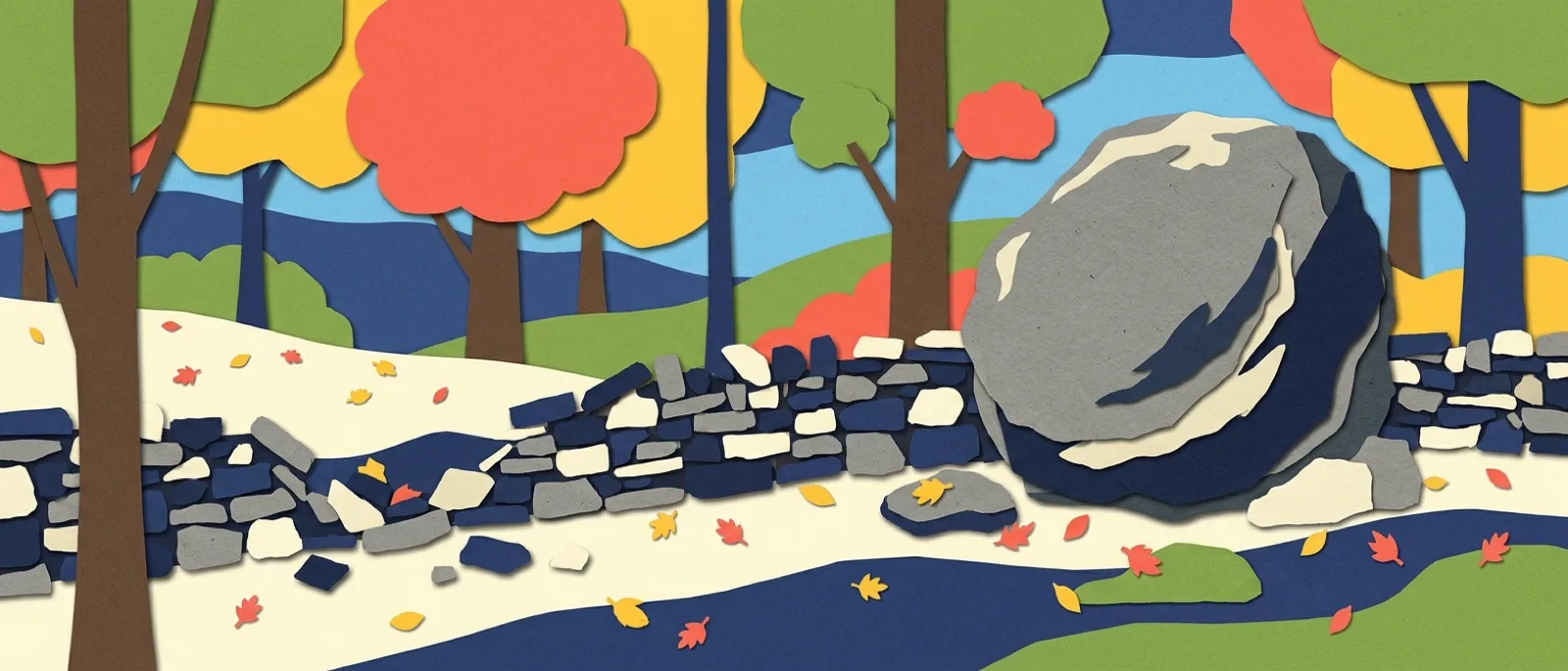
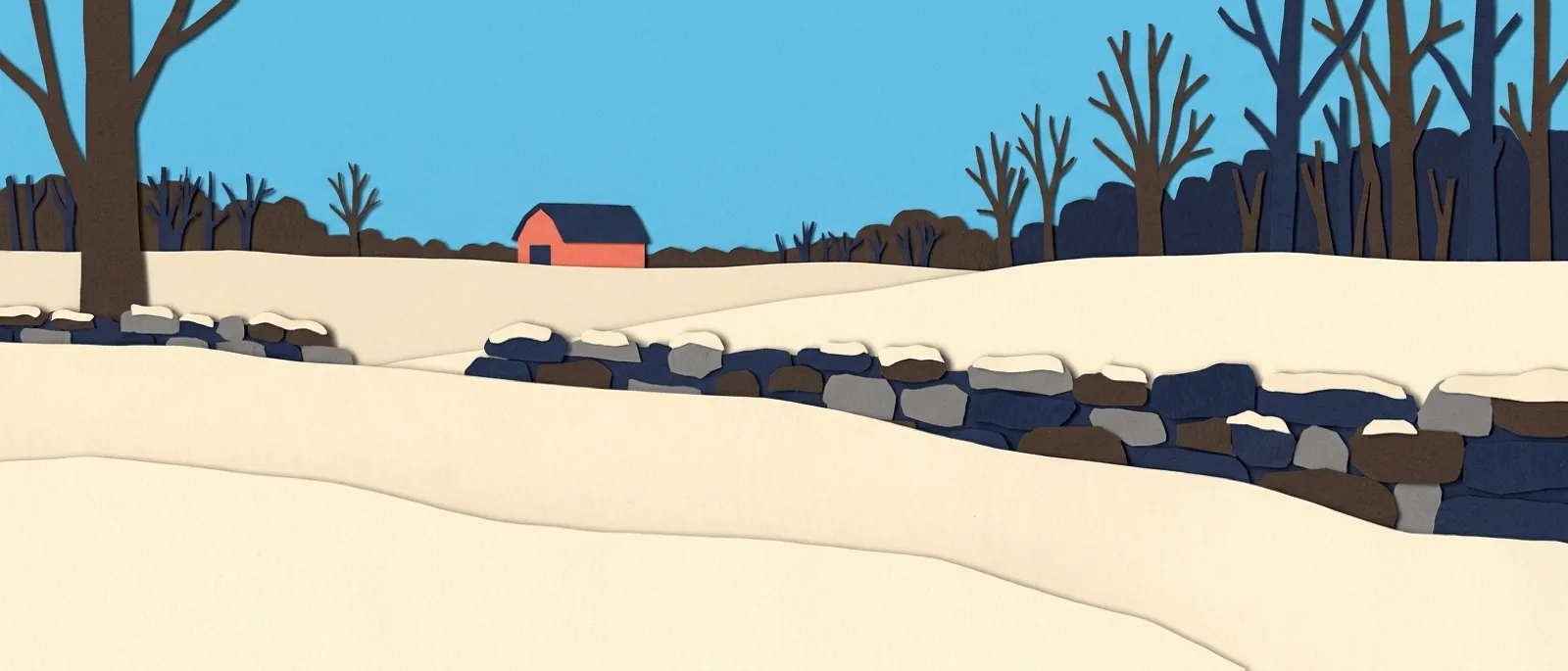
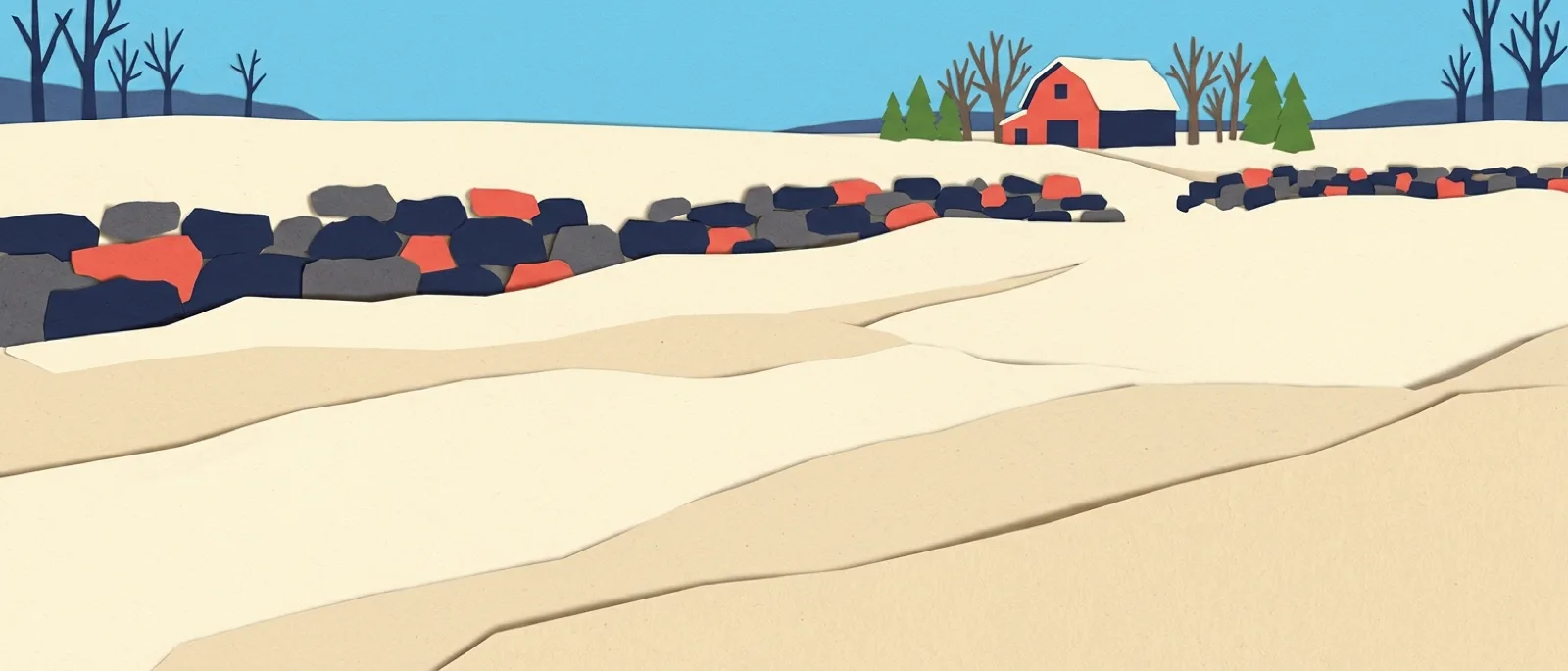
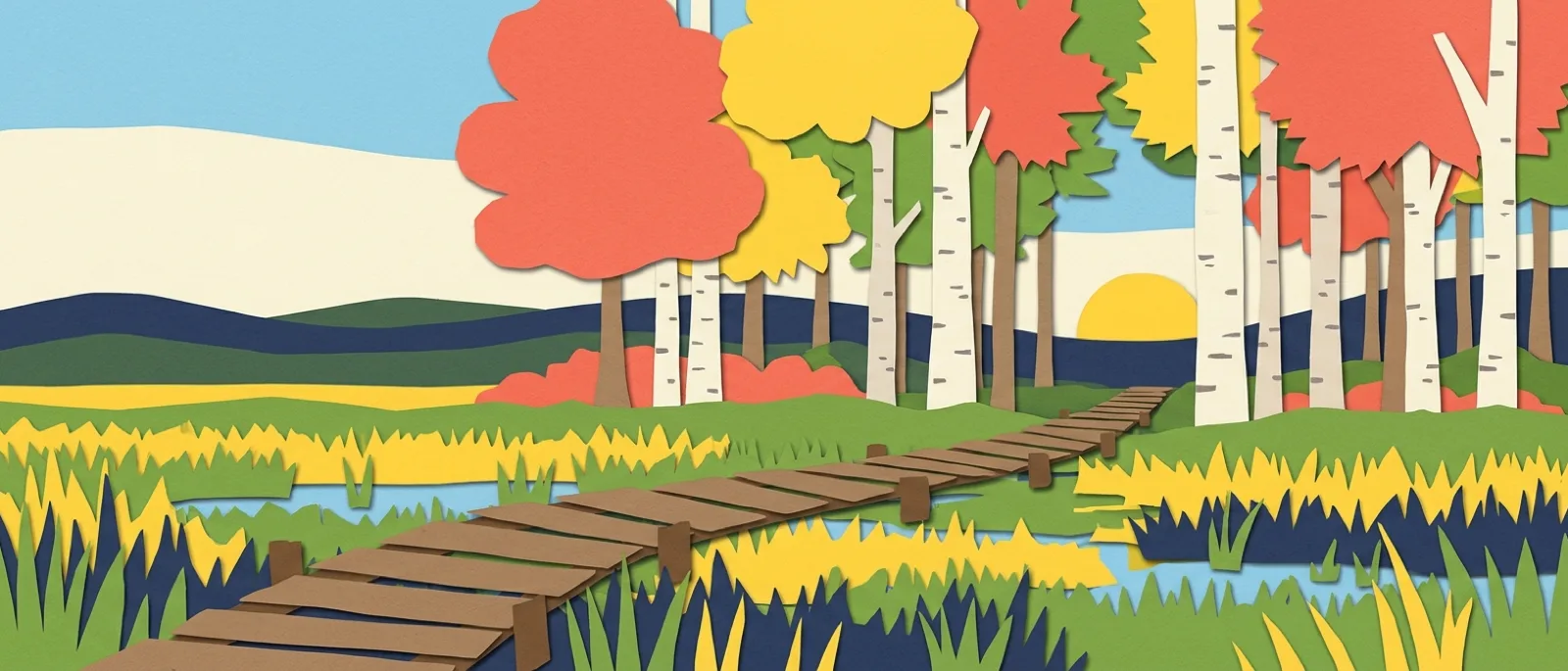
Almost every stone wall in New England woods was a field or pasture edge, built of glacial stones farmers cleared between the Revolution and the Civil War.
Landscape
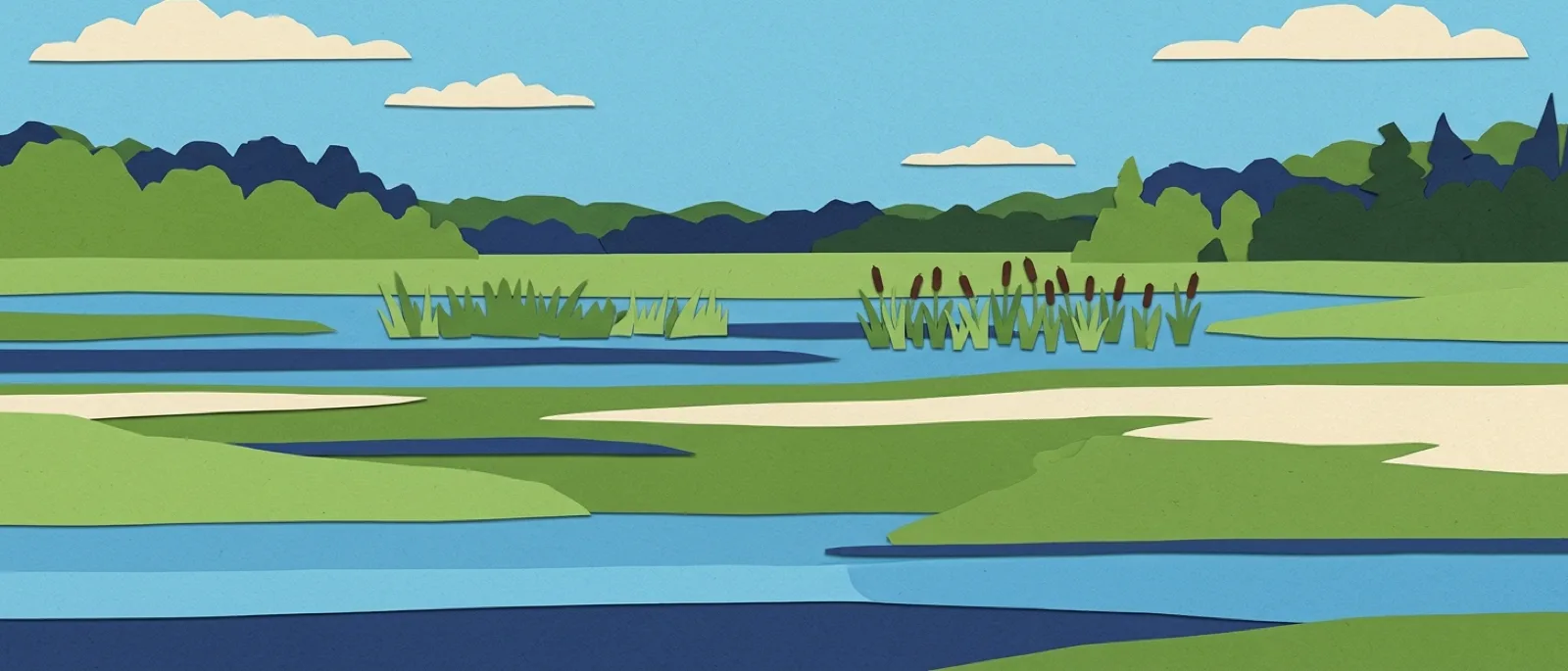
Some round ponds and deep hollows in eastern Massachusetts mark where a block of ice, stranded and buried as the last glacier retreated, slowly melted.
Landscape
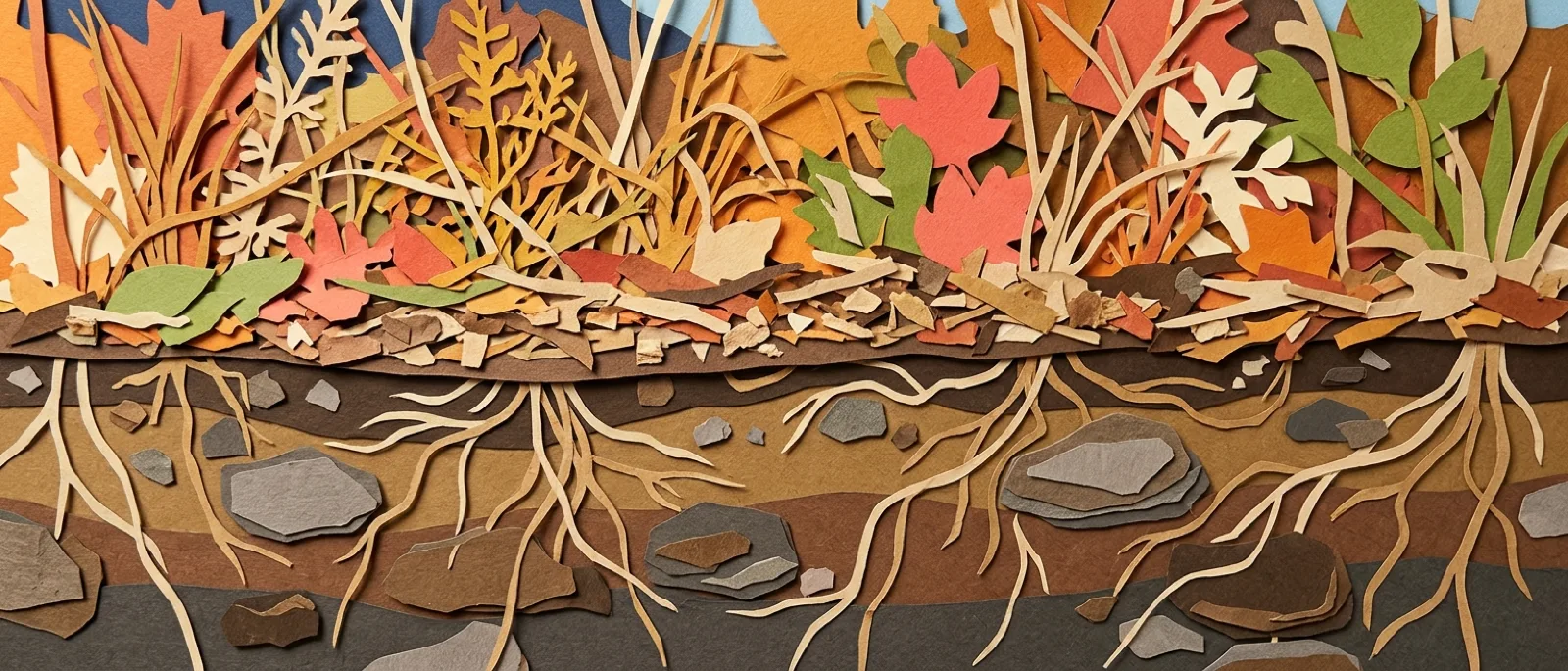
On a cold morning after wet ground, bare soil can sprout clusters of ice needles that lifted themselves out overnight, each with a little cap of dirt.
Landscape
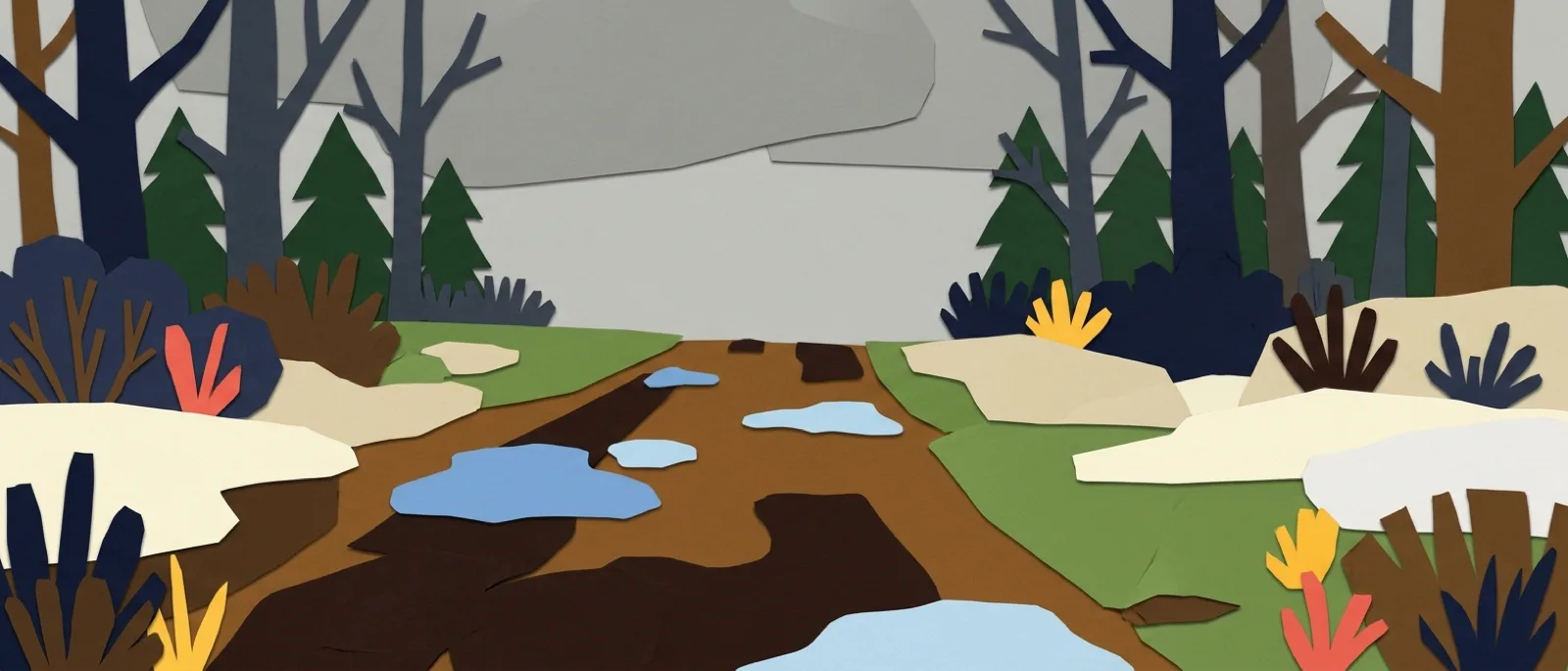
For a few weeks each spring the ground holds water on top instead of taking it in, because Massachusetts groundwater peaks in March and April.
Landscape
Groundwater at a seep arrives near the ground's average annual temperature, so it keeps trickling and stays soft while ponds and brook edges ice over.
Landscape
A huge lone boulder in the woods or a field is often not local rock: the last ice sheet carried it from elsewhere and dropped it as it melted.
Landscape
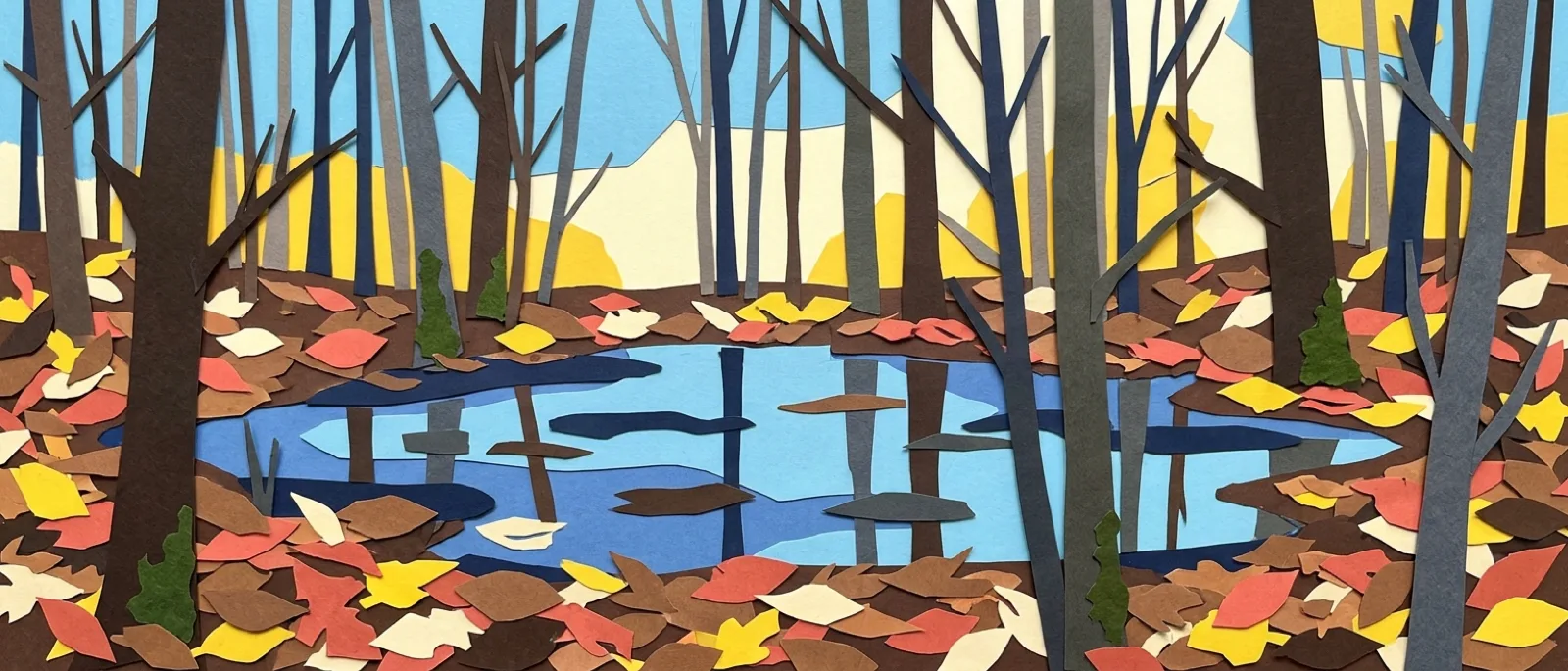
A fishless woodland hollow that dries by late summer starts holding water again after late fall rain, filling most with spring rain and snowmelt.
Landscape
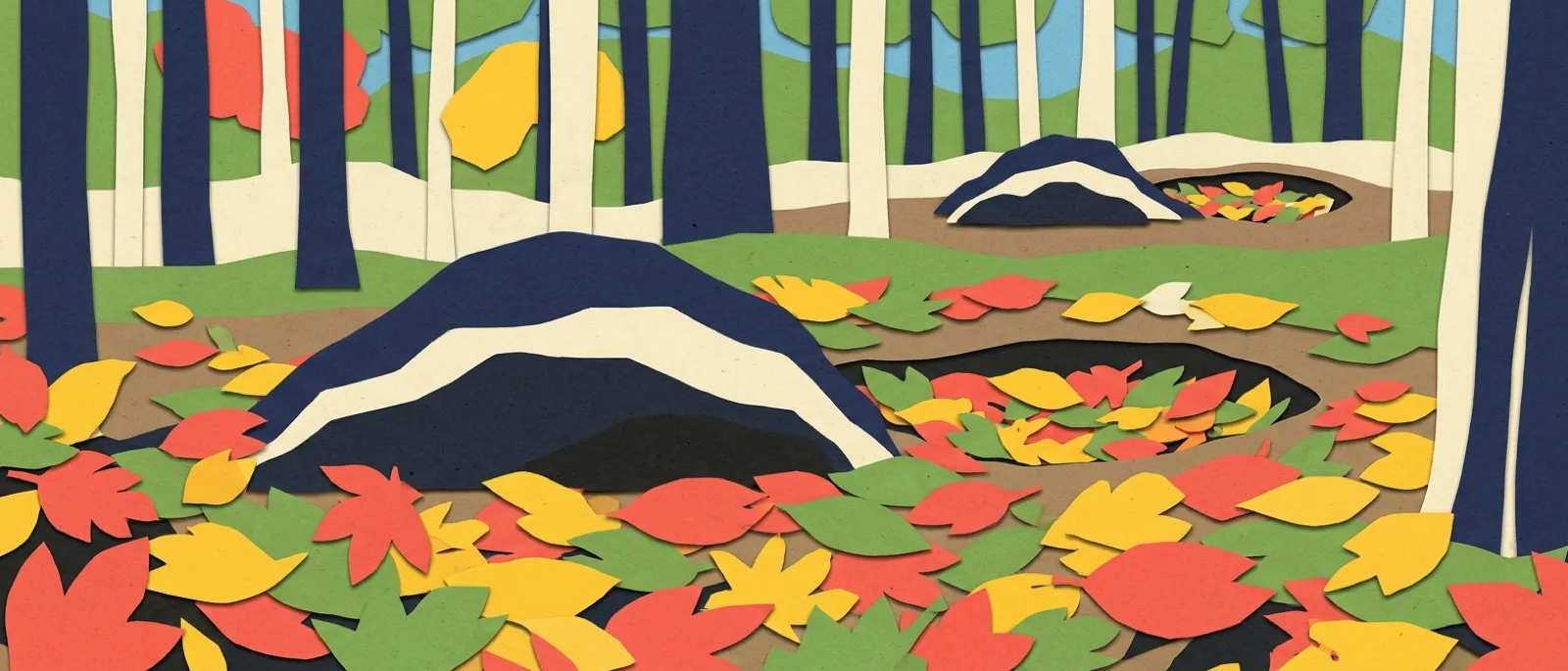
A mound beside a hollow marks a tree blown over long ago, its roots lifting soil and stone that stayed behind after they rotted.
Landscape
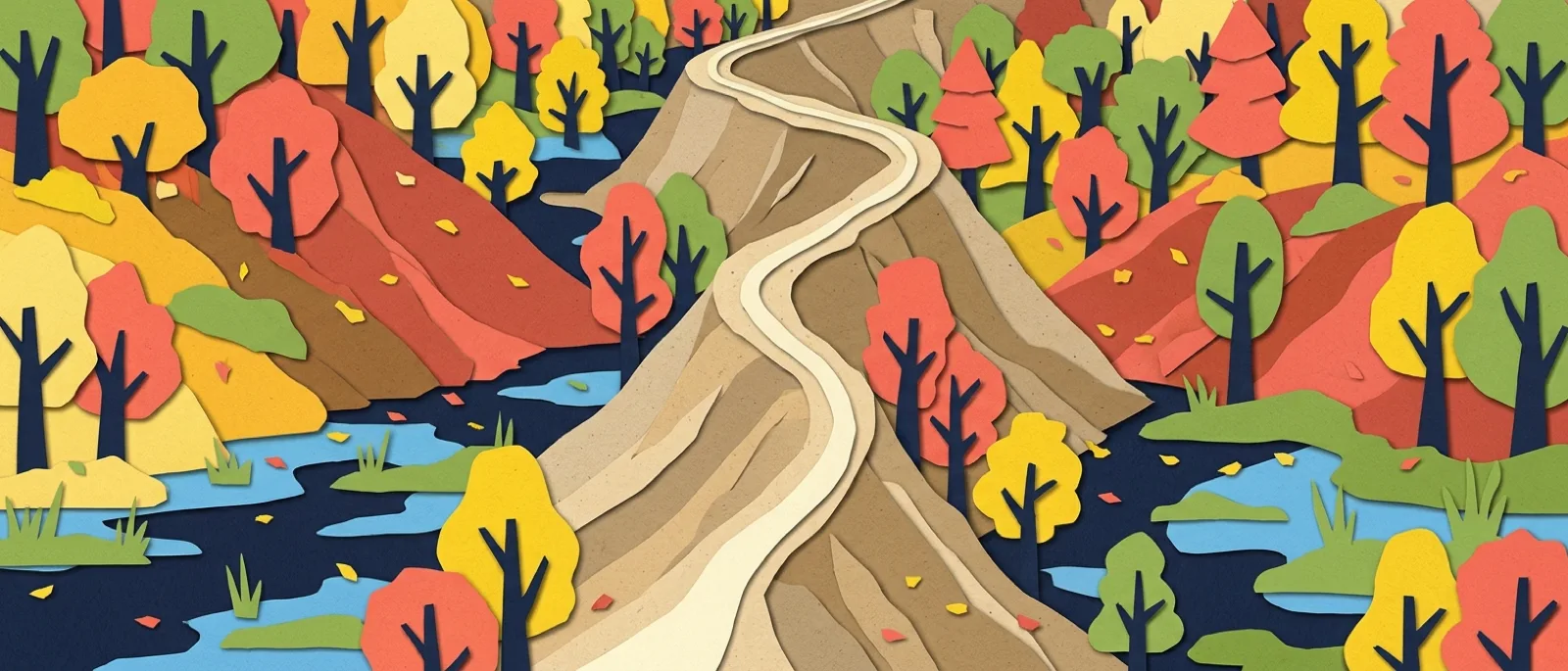
An esker is a long, winding ridge of sand and gravel laid down by a meltwater river in a channel within or beneath the last ice sheet.
Landscape
Drumlins are smooth, oval hills of glacial till streamlined by moving ice, and eastern Massachusetts has many of them.
Landscape
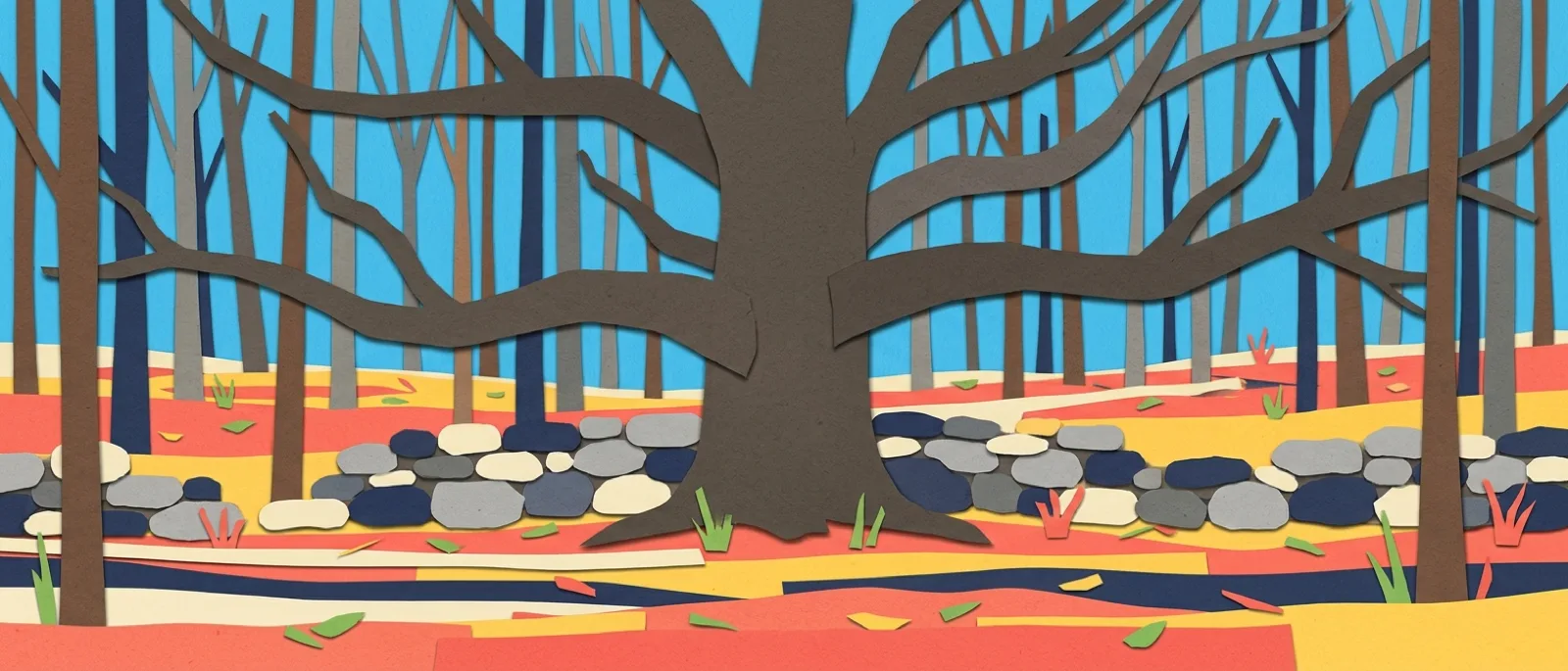
A wolf tree is a huge, wide-crowned tree with low thick limbs among straighter younger trees, a likely sign the spot was once a pasture or field edge.
Landscape
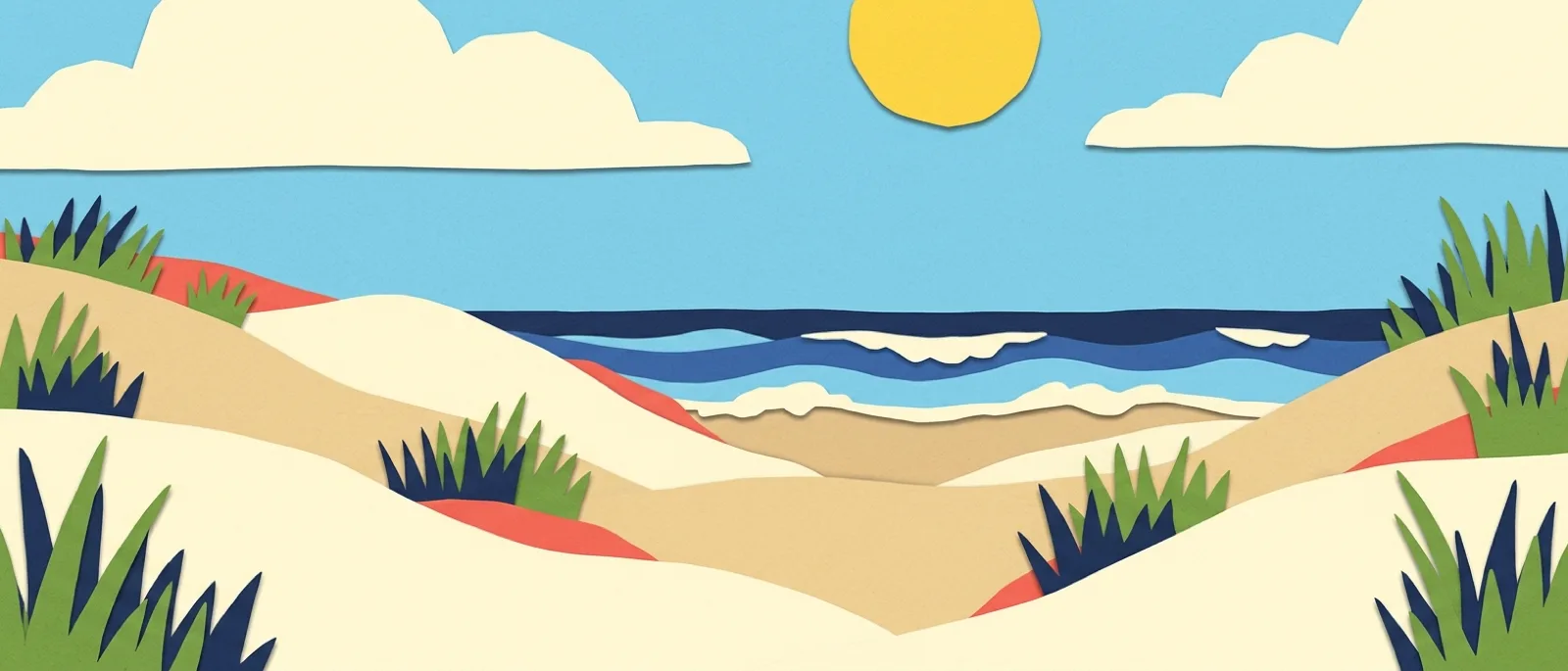
Winter storm waves can strip sand off many sandy Massachusetts beaches and park it in sandbars just offshore. Calmer waves bring sand back by fall.
Landscape
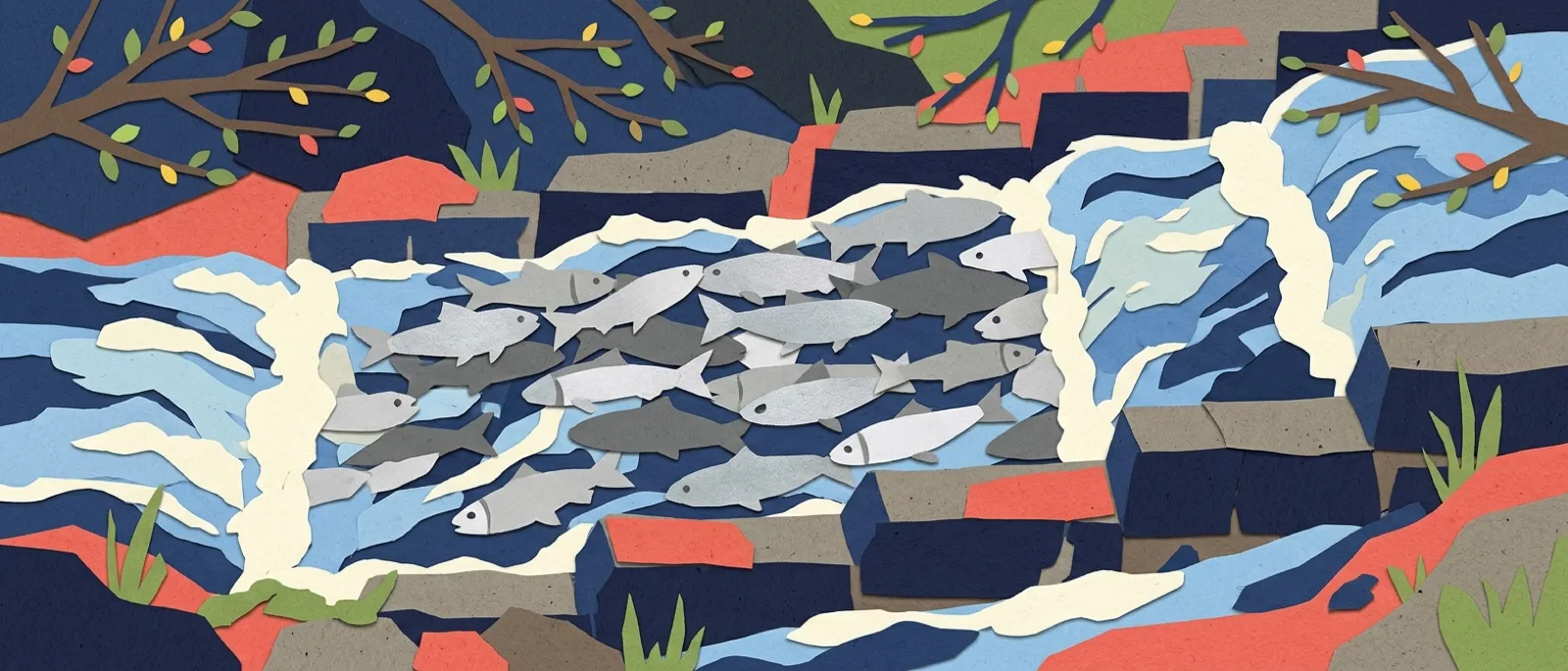
The statewide trout season runs January 1 to December 31, and MassWildlife says water temperatures stay fine for trout from late September into summer.
Landscape
Every spring MassWildlife stocks hundreds of thousands of trout from its hatcheries, and its online report shows which waters were stocked.
Landscape
Massachusetts rules say canoeists and kayakers wear a life jacket from September 15 to May 15, and children under 12 wear one on a boat underway all year.
Landscape
Dog rules on Massachusetts trails come from the landowner: DCR, state wildlife lands, Mass Audubon and The Trustees each have their own.
Landscape
Roxbury Puddingstone is old gravel of rounded pebbles and cobbles cemented into hard rock. It crops out in ledges and cliffs in and around Boston.