Look closerInsects
Cluster flies on sunny walls in autumn
When: September to October
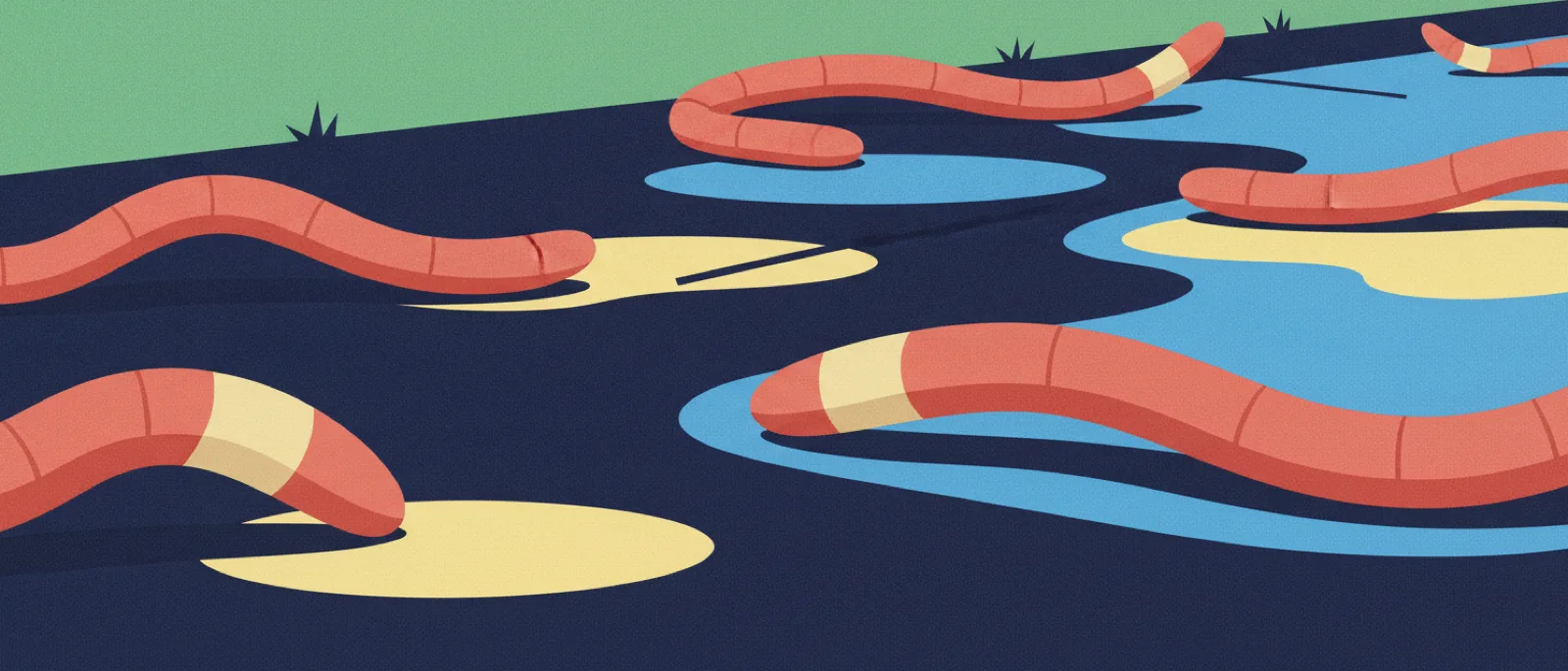
In autumn, cluster flies, which look like slightly larger, slower house flies with golden hairs on the chest, gather on the sunny sides of buildings. They are looking for a place to spend the winter, and as young they were parasites of earthworms.
Why this time of year
Autumn is when the last generation of adults leaves the soil-and-earthworm part of its life and lines up on warm, sunny building walls to find winter shelter.
How to notice it
- On a sunny, mild afternoon, walk to the sunniest side of a house or shed and scan the siding and window frames.
- Look for flies that sit still and are slow to fly off.
- Look closely at one with a magnifier or a phone camera zoomed in: slightly bigger than a house fly, dull gray, with fine golden hairs on the thorax.
Try this with kids: Can you find a fly on the warm wall that moves slowly, and can you spot its golden chest hairs?
Word to know: The “thorax” is the middle body section that the legs and wings attach to.
Sources
- extension.unh.eduUNH Extension: 'In fall, the adults from the last generation seek protected areas in which to spend winter.' 'During summer, cluster flies are active outdoors, where they are parasitic on earthworms.' 'Cluster flies are usually sluggish and make little attempt to escape.' Prevention advised before September 10.
- extension.umd.eduUniversity of Maryland Extension: 'Adult flies usually enter homes in late August to overwinter' in attics or wall voids warmed by winter sun (most often southern-facing); 3/8 inch, dark gray, sluggish; 'The larvae are actually parasites of earthworms.'
- extension.psu.eduPenn State Extension: 'In the autumn, cluster flies frequent the sunny sides of homes'; the 'clustering' on the sunny exterior of buildings in the fall; slightly larger than the common house fly with golden-yellow hairs on the thorax; a blow fly (Calliphoridae); larvae parasitic in earthworms.
- www1.maine.govMaine DACF: 'a little larger than the common housefly and moves sluggishly'; 'short, golden colored hairs on its thorax'; larvae 'develop as parasites in the bodies of earthworms.'
Checked against these sources on September 29, 2026.
In the guide for September, October